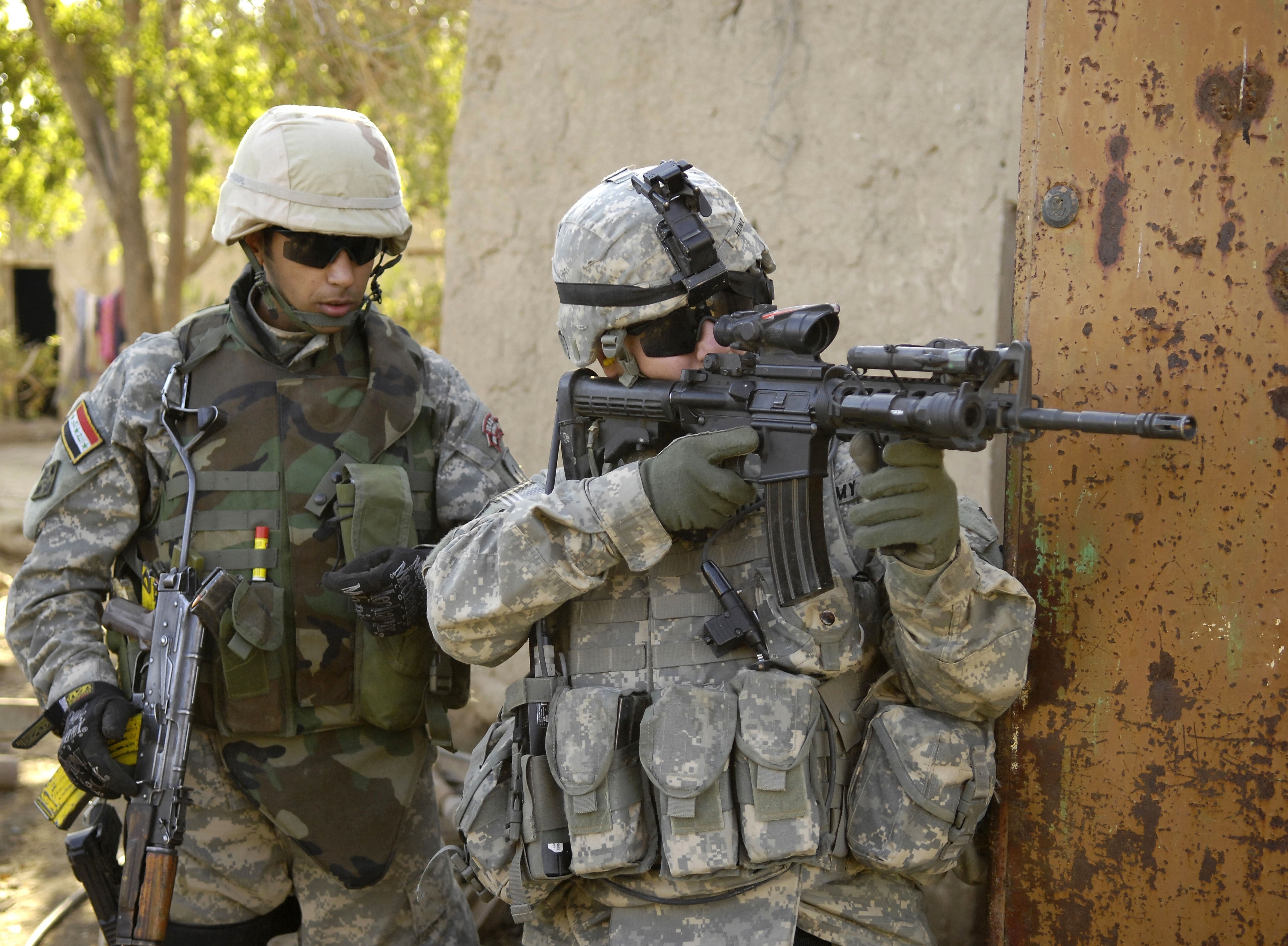
Bilateral military exercises are frequently dismissed as diplomatic theater, symbolic gestures designed to signal political alignment without producing operational utility. This view miscalculates the mechanical friction inherent in multinational coalition operations. When military units from different sovereign states attempt to coordinate tactical actions under high-stress conditions, they encounter severe friction points caused by incompatible communication protocols, divergent standard operating procedures, and unfamiliar equipment ecosystems.
The eighteenth iteration of Exercise Nomadic Elephant, conducted at the Foreign Training Node in Pithoragarh, Uttarakhand, addresses these exact operational friction points between the Indian Army and the Mongolian Armed Forces. Analyzing this deployment requires stripping away the diplomatic rhetoric of mutual friendship and examining the structural mechanics of platoon-level integration in semi-urban and mountainous terrain. You might also find this related story interesting: The Empty Chair in the Press Room And Why Freedom of Information Hangs by a Thread.
The operational scope of the exercise is anchored by a specific mandate: counter-insurgency and counter-terrorism operations under Chapter VII of the United Nations framework. Operating within this specific legal and tactical envelope demands a high degree of procedural synchronization. Two primary constraints govern this environment: time-to-decision and spatial compression in mountainous terrain.
The training architecture is divided into distinct operational modules, each designed to stress-test specific tactical variables. As extensively documented in detailed coverage by The Washington Post, the results are significant.
The first module focuses on small arms handling, weapon familiarization, and live-fire synchronization. Infantry units cannot achieve tactical cohesion if individual marksmen operate within closed loops. Cross-training on assault rifles and light machine guns ensures that soldiers can cross-load ammunition and utilize organic weaponry if supply chains fracture or casualties force weapon re-allocation. The mechanics here involve standardizing immediate action drills for weapon stoppages, establishing unified firing nomenclature, and synchronizing rates of fire during sustained contact.
The second module targets urban and semi-urban intervention. Mountainous operational theatres frequently feature clustered habitations, ridgeline villages, and defiles that mimic urban density. The Indian Army contingent's demonstration of room intervention drills established the baseline protocol for entry, sector clearing, and fire discipline. The tactical variable being optimized here is the clearing velocity—the time required to transition from exterior exposure to interior room dominance. By integrating Mongolian personnel into these drills, both forces minimized the reaction lag that occurs when soldiers trained under different doctrines attempt synchronized entry.
The third module addresses the integration of modern aerial reconnaissance and digital assets, specifically unmanned aerial systems and electronic counter-measures. Modern tactical environments are saturated with low-altitude telemetry and digital signatures. Small-unit operations in high-altitude sectors depend on organic drone deployment for real-time intelligence, surveillance, and reconnaissance. The inclusion of drone and counter-drone drills reflects the changing cost-benefit ratio of infantry engagements, where aerial visibility often dictates the survival of a platoon.
Furthermore, the curriculum incorporates special heliborne operations and cyber security protocols. Heliborne insertions compress deployment timelines but exponentially increase logistical vulnerability during the touchdown and extraction phases. Establishing standardized landing zone security protocols between two distinct armed forces requires rigid adherence to hand signals, radio silence disciplines, and immediate perimeter establishment.
Evaluating the return on investment for such bilateral exercises requires examining the transfer velocity of tactical knowledge. A forty-five-person contingent from each nation represents a micro-unit, insufficient for theatre-level impact but highly effective as a doctrine dissemination vector. Upon returning to their parent formations, these personnel act as doctrinal nodes, transferring refined intervention techniques and counter-insurgency protocols to wider brigade and division elements.
The strategic utility of Nomadic Elephant lies not in large-scale force projection, but in the micro-optimization of tactical-level coordination. By exposing infantry units to foreign standard operating procedures in demanding geographical conditions, both militaries reduce the friction coefficient of future coalition deployments.
To maximize the long-term operational yield of such bilateral engagements, military planners must institutionalize a feedback loop that tracks the retention of cross-trained protocols within home units six to twelve months post-exercise. Without a quantitative mechanism to measure doctrinal absorption, tactical exchanges risk remaining isolated events rather than compounding assets for modern defense architecture.