The dust in Rawalpindi smells different when the desert wind blows from the west. It carries a dry, metallic hint of Balochistan and, beyond that, the vast, sun-baked expanse of the Iranian plateau. Inside the heavily guarded quarters of Pakistan’s military headquarters, the air conditioning hums a low, monotonous tune, a stark contrast to the volatile heat outside. A map sprawls across a heavy wooden table. It is not just a map of topography; it is a map of friction.
When General Asim Munir, Pakistan’s Army Chief, boards a flight bound for Tehran, he is not merely executing a diplomatic itinerary. He is stepping into a historical pressure cooker. For decades, the 560-mile border between Pakistan and Iran has been less of a line on a map and more of a living, breathing entity—prone to sudden fever dreams of insurgency, smuggling, and cross-border missile strikes.
But this specific journey comes at a moment when the entire Middle East feels like a house of cards built on a fault line. The West Asia peace push is underway, a delicate, agonizingly slow diplomatic effort to prevent a region-wide conflagration. To understand why a Pakistani general is holding intense, closed-door talks with top Iranian leaders, one must look past the stiff handshakes and official press releases. You have to look at the invisible stakes.
Consider a hypothetical border guard named Tariq, stationed somewhere in the rugged hills of Sistan-Baluchestan. He stands in the blinding heat, eyes squinting against the glare, looking toward Iran. To Tariq, geopolitics is not an abstract concept debated in glass towers. It is the sudden, terrifying rattle of gunfire from an insurgent group slipping across the ravine. It is the knowledge that a single miscalculation by a drone operator hundreds of miles away could turn his isolated outpost into a crater. When Islamabad and Tehran talk, they are playing with the lives of thousands of Tariqs on both sides of the line.
The official statements from Tehran and Islamabad speak of "mutual security cooperation" and "regional stability." Those are bureaucratic euphemisms for a brutal reality: both nations are terrified of a chaotic chain reaction. Iran, facing intense external pressure from the West and a volatile domestic landscape, cannot afford an unstable eastern flank. Pakistan, crippled by an ongoing economic crisis and its own internal political turbulence, cannot risk a hot border with a major regional power.
The relationship between these two neighbors has always been a tightrope walk. They are bound by faith and geography, yet deeply divided by strategic alliances. Pakistan historically leans toward Riyadh and Washington; Iran stands firmly as the anchor of its own axis. When these two systems grind against each other, the sparks can be blinding. Just months prior to these talks, the world watched in shock as the two nations exchanged unprecedented, retaliatory missile strikes, targeting militant hideouts on each other's soil. The abyss looked back at them. They both blinked.
This current round of high-level dialogue is the direct result of that near-miss. It is the frantic tightening of bolts on a machine that almost tore itself apart.
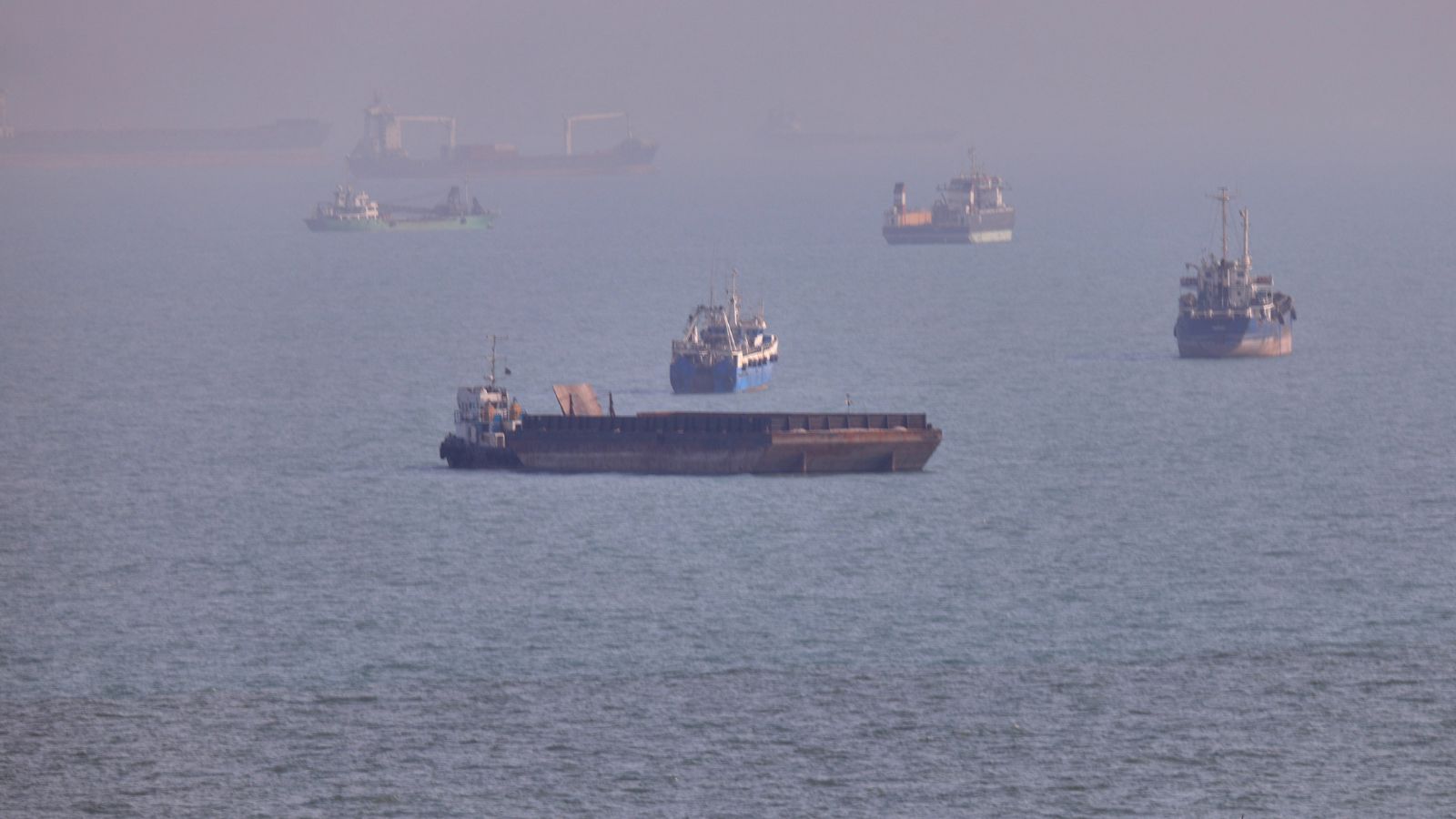
The conversations in Tehran, spanning meetings with the Iranian President and top military commanders, are centered on a fragile premise: separate the local fires from the global inferno. The Pakistani delegation knows that if the wider West Asian conflict boils over, the spillover will not respect international boundaries. Refineries could burn. Shipping lanes in the Strait of Hormuz could choke. For Pakistan, a nation dependent on imported energy and teetering on the edge of default, a spike in global oil prices is not an inconvenience. It is a catastrophe that lands directly on the dinner tables of ordinary citizens in Karachi and Lahore.
But the real problem lies elsewhere, buried deep in the shadows of the intelligence world. It is the problem of proxies and non-state actors.
The border region is a haven for Balochi separatist groups, sectarian militants, and transnational smugglers who thrive in the vacuum of governance. For years, Islamabad has complained that Baloch militants find safe haven on the Iranian side; Tehran has countered with accusations that Sunni extremist groups launch attacks into Iran from Pakistani soil. It is a toxic cycle of blame that turns every local skirmish into a potential international crisis.
During these talks, the mechanics of prevention are being hammered out. We are talking about hotline setups between regional commanders. We are talking about synchronized border patrolling. We are talking about sharing intelligence that both sides would normally guard with fierce paranoia. It is a deeply uncomfortable process. It requires a level of trust that simply does not exist naturally between two inherently suspicious security apparatuses.
Imagine sitting across a table from an adversary who, just weeks ago, launched a missile into your territory. The air is thick with unspoken grievances. Every word is weighed, every gesture analyzed for weakness. You are forced to find common ground because the alternative is too grim to contemplate. That is the true face of diplomacy in the region—not a grand meeting of minds, but a cold, calculated management of mutual survival.
Critics of the engagement argue that these talks are a temporary band-aid on a cancerous wound. They point out that as long as the broader geopolitical alignments remain unchanged, the underlying tension will always remain. Pakistan will not abandon its deep ties to the Gulf states, and Iran will not cease its regional ambitions. The fundamental friction is permanent.
Yet, to dismiss the value of these talks is to misunderstand how peace is maintained in the real world. Peace is rarely a magnificent monument built to last centuries. More often, it is a sandbag wall thrown up in the middle of a storm, requiring constant maintenance, shifting, and reinforcement. It is a dirty, exhausting job done by men in uniform who know exactly how close they are to the edge.
The delegation returns to Islamabad under the cover of night. The official brief will be issued to the media, scrubbed clean of tension, filled with platitudes about brotherhood and ancient ties. The public will read it and likely turn the page, looking for more dramatic news.
But out on the border, where the rocky hills meet the empty sky, the silence remains intact for another day. The guard shifts his rifle, watches the dust settle, and waits. The machinery of statecraft has bought him, and the region, a few more hours of quiet. In this part of the world, that is as close to a victory as anyone can ever hope to get.