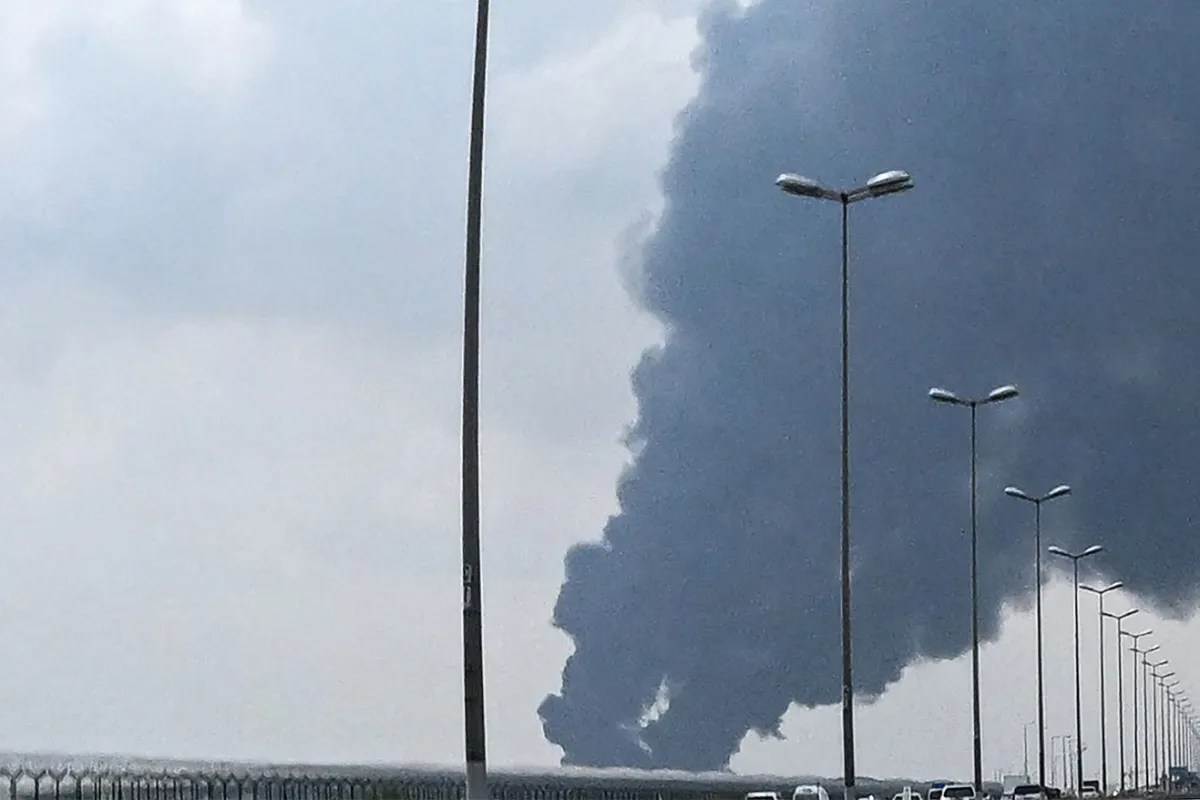
Donald Trump's recent threats to obliterate Iran's Kharg Island oil terminal haven't just stayed in the realm of high-stakes political rhetoric. They've triggered a direct, violent response in the Persian Gulf. Iran didn't wait around for a strike. They hit back fast by targeting a Kuwaiti oil tanker, sending a message that if their oil stops flowing, nobody’s oil is safe. This isn't just another headline about a distant desert conflict. It's a calculated move that puts the global economy on a knife-edge.
The logic from Tehran is brutal and simple. Kharg Island handles roughly 90% of Iran's crude exports. If that facility goes up in flames, the Iranian economy collapses. By hitting a Kuwaiti vessel, Iran is telling the world—and specifically U.S. allies in the region—that they'll burn the whole neighborhood down before they starve. This escalation marks a shift from shadow boxing to an open street fight in the world's most critical maritime chokepoints.
Why Kharg Island is the Ultimate Red Line
You have to understand the geography to see why this is so terrifying for global markets. Kharg Island is a tiny limestone rock in the Persian Gulf, but it's effectively Iran's life support machine. It sits about 25 kilometers off the coast. Most of the country's oil is piped there before being loaded onto massive tankers. Trump knows this. He’s betting that by threatening this specific spot, he can force Iran into total submission or complete bankruptcy.
The problem? Iran has spent decades preparing for this exact scenario. They don't see an attack on Kharg as a strategic setback. They see it as an existential declaration of war. When Trump talks about "hitting them where it hurts," he's poking a hornet's nest that has been under heavy sanctions for years and has nothing left to lose.
The Kuwaiti Tanker Attack is a Warning Shot to the West
The choice of a Kuwaiti tanker wasn't accidental. Kuwait is a major non-NATO ally of the United States. By striking their assets, Iran is using "asymmetric warfare" to punish the U.S. by proxy. They're telling Kuwait, Saudi Arabia, and the UAE that hosting American bases or supporting Trump's "maximum pressure" tactics comes with a fiery price tag.
Reports from the scene indicate the damage was significant enough to cause a localized spill but wasn't designed to sink the ship entirely. That’s a classic Iranian tactic. It’s a measured provocation. They want to show they can touch any ship, anywhere, at any time. If they wanted to close the Strait of Hormuz, they could. For now, they’re just showing you the blade.
The Crude Reality of $100 Oil
If you think this is just about politics, check your local gas station's prices next week. The market hates uncertainty. The Persian Gulf handles about 20 million barrels of oil a day. Even a 5% disruption in that flow sends traders into a blind panic.
We’ve seen this movie before, but the stakes are higher now. In 2019, when tankers were sabotaged near Fujairah, prices spiked overnight. Now, with a former (and potentially future) U.S. President openly naming targets like Kharg Island, the floor has fallen out of regional stability. Investors aren't just worried about a temporary supply dip; they're terrified of a full-scale infrastructure war where refineries and terminals become legitimate military targets.
The Strategic Failure of Public Threats
There's a school of thought in Washington that says "loud" diplomacy works. The idea is that if you scare the Iranian leadership enough, they'll come to the table. History suggests the opposite. Iranian hardliners thrive on external threats. It gives them the domestic "rally around the flag" effect they need to stay in power. Trump's rhetoric hasn't made the Gulf safer; it has empowered the IRGC (Islamic Revolutionary Guard Corps) to take more aggressive risks.
Every time a Western leader mentions Kharg Island, the price of shipping insurance in the Gulf goes through the roof. Ships are already starting to turn off their transponders to avoid being tracked. It’s becoming a "dark zone," and that is never good for global trade.
How Iran Uses Proxies to Keep Their Hands Clean
While the hit on the Kuwaiti tanker has Iran's fingerprints all over it, they rarely claim direct responsibility for these "tit-for-tat" strikes. They use small, fast attack boats or "suicide" drones. This gives them plausible deniability. They can look at the UN and say, "We didn't do it," while everyone in the Pentagon knows exactly who gave the order.
This creates a massive headache for international law. How do you retaliate against a ghost? If the U.S. strikes Iran directly for a tanker hit, it looks like an overreaction. If they do nothing, they look weak. Iran is betting on this hesitation. They are masters of the "grey zone," where the rules of traditional war don't quite apply.
What Happens if the Strait of Hormuz Closes
This is the "Doomsday Scenario." The Strait is only about 33 kilometers wide at its narrowest point. Iran has enough anti-ship missiles and naval mines to make it impassable for weeks. If that happens, the global economy doesn't just slow down—it breaks. We’re talking about a world where oil jumps to $150 or $200 a barrel.
The attack on the Kuwaiti tanker is a dress rehearsal for this. Iran is testing the response time of the U.S. Fifth Fleet stationed in Bahrain. They’re watching how quickly the international community reacts. Every minute of delay is a win for Tehran.
The Ripple Effect on Global Alliances
This isn't just a U.S.-Iran problem. China is the biggest buyer of Iranian oil. By threatening Kharg Island, Trump is also indirectly picking a fight with Beijing’s energy security. If Iran’s exports are cut off, China has to find that oil elsewhere, likely driving up prices for everyone else, including Europe and India.
Kuwait’s reaction will be the one to watch. Will they lean closer to the U.S. for protection, or will they try to de-escalate with Iran behind the scenes? Historically, the Gulf monarchies prefer quiet checks to loud bombs. They know that if a real war breaks out, they are on the front lines, and no amount of American "protection" can stop a drone from hitting a desalination plant or an oil refinery.
Practical Steps for the Immediate Future
The situation is fluid, but the trend is clear. Tensions are going up, not down. If you're involved in logistics, energy, or even just a concerned consumer, you need to stop thinking this is "just another mid-east flare-up."
- Watch the Insurance Rates: Keep an eye on maritime insurance premiums for the Persian Gulf. When they spike, a physical disruption is usually days away.
- Monitor Kharg Activity: Satellite imagery of Iranian tanker movements will tell you if they are clearing out the island in anticipation of a strike.
- Diversify Energy Exposure: For businesses, relying on Gulf-dependent energy is becoming a massive liability.
The era of "safe" transit through the Strait of Hormuz is over for now. Iran has shown they are willing to hit neutral targets to prove a point. Trump has shown he's willing to name the targets he wants to hit. Both sides are backed into corners, and in that scenario, the person who swings first usually wins the battle but loses the war. Brace for a very volatile month in the energy markets.