When conflict erupts thousands of miles away, most countries watch from a safe geopolitical distance. India doesn't have that luxury. With roughly ten million citizens living and working across West Asia, any escalation in the region hits dangerously close to home. Recent military flare-ups and widening security loops across the Gulf have turned a localized geopolitical flashpoint into an immediate, high-stakes crisis for New Delhi.
The stakes aren't abstract. They involve real people, real livelihoods, and the core stability of India's energy supply chains. When foreign policy meets kitchen-table realities, diplomatic posture has to shift from cautious neutrality to urgent intervention.
The Human Toll and the Gulf Diaspora
Let's talk about who is actually out there. The Indian diaspora in West Asian nations like the United Arab Emirates, Saudi Arabia, Qatar, and Oman isn't made up exclusively of wealthy corporate expats. Millions are blue-collar workers, engineers, nurses, and maritime crew members who form the backbone of local infrastructure. They send home billions of dollars in remittances every single year, keeping rural economies afloat back in states like Kerala, Punjab, and Uttar Pradesh.
When missiles fly and trade routes close, these workers bear the brunt of the chaos. Recent maritime escalations and commercial shipping disruptions in vital choke points like the Red Sea and the Gulf have directly endangered Indian sailors. Several tragic casualties and missing person reports among Indian nationals have forced the Ministry of External Affairs to drop diplomatic niceties and issue severe security advisories.
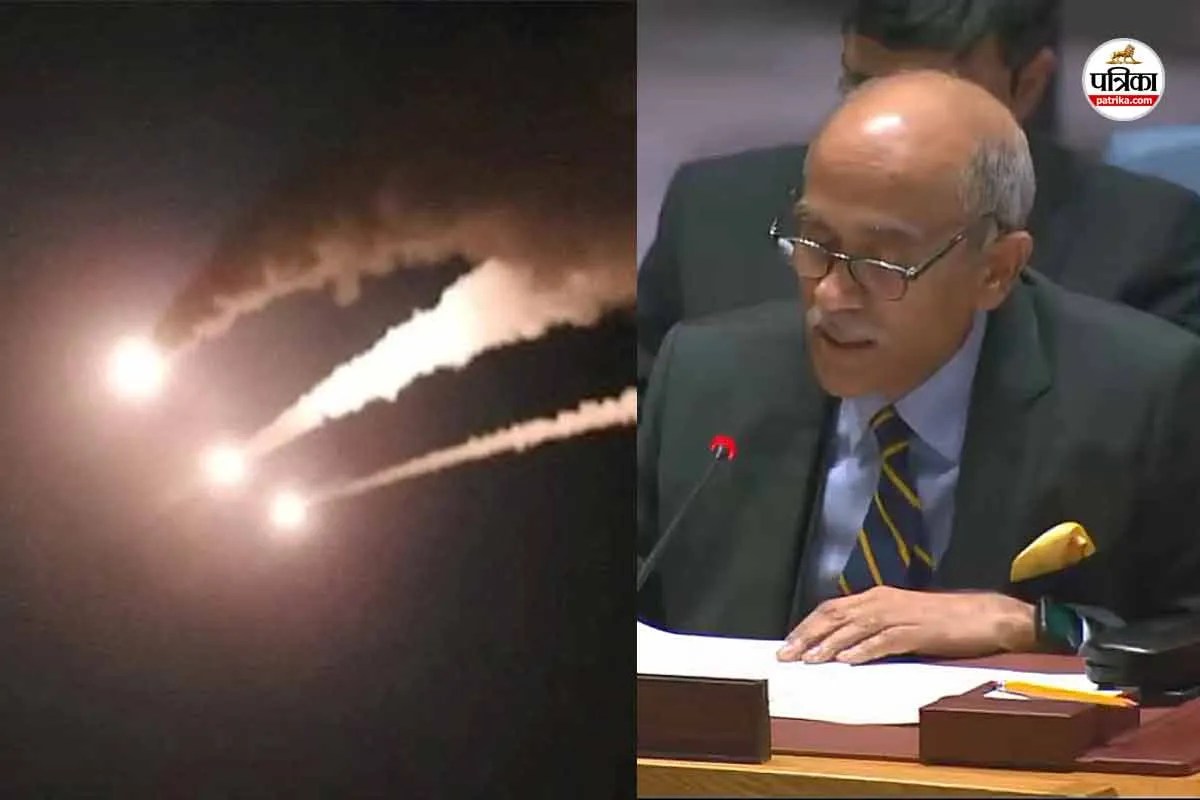
You can't preach strategic autonomy when your people are caught in the crossfire. That's why India's messaging at international forums like the United Nations Security Council has sharpened dramatically.
Beyond Oil: The Economic Shockwaves
Energy security is another pressure point that policymakers can't ignore. India imports a massive share of its crude oil and liquefied natural gas from the Gulf. When conflict blocks shipping lanes or threatens production facilities, domestic inflation risks skyrocketing overnight.
It's a triple threat for New Delhi:
- Protecting ten million citizens from direct physical harm.
- Securing safe evacuation routes if total airspace closures happen.
- Stabilizing fuel imports to prevent economic panic at home.
Unlike Western powers whose military interventions often compound regional instability, India's approach relies heavily on multi-alignment. New Delhi maintains active diplomatic channels with all major players—from Israel and Gulf capitals to Iran. This balancing act allows Indian embassies on the ground to negotiate localized ceasefires, open transit corridors, and organize emergency repatriation flights for stranded citizens.
What Happens Next on the Ground
Diplomacy moves slowly, but missiles move fast. As regional tensions continue to simmer without a permanent political settlement, the vulnerability of expatriate populations remains a ticking clock. India's foreign ministry has ramped up round-the-clock helplines and coordination cells, urging all nationals in high-risk zones to register with local missions and limit non-essential travel.
If you have family working in the Gulf, staying connected with local Indian embassies and monitoring official advisories isn't optional right now—it's essential. The ongoing crisis serves as a stark reminder that in an interconnected world, national security doesn't stop at the border. It stretches wherever your people live, work, and build their futures.