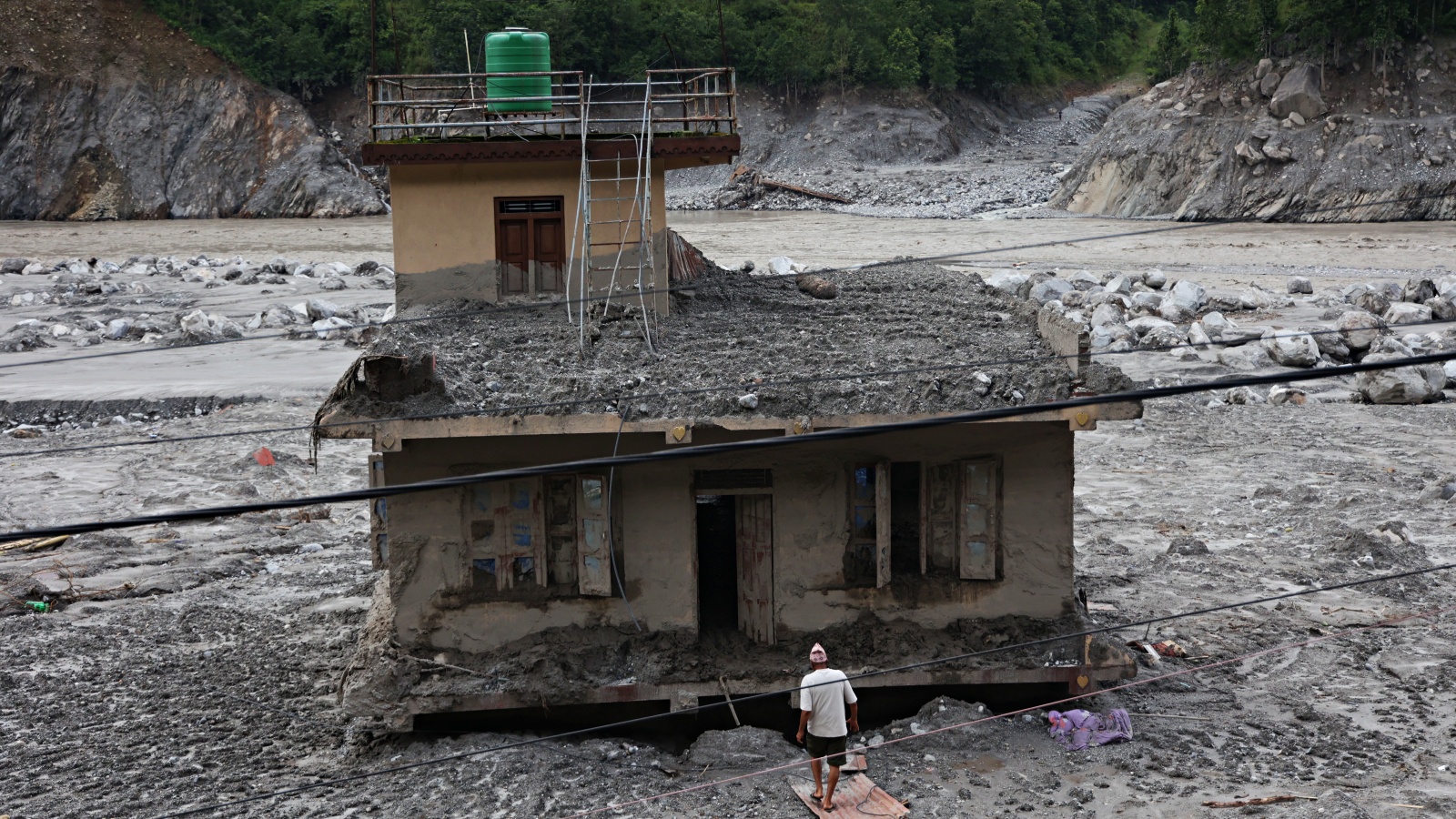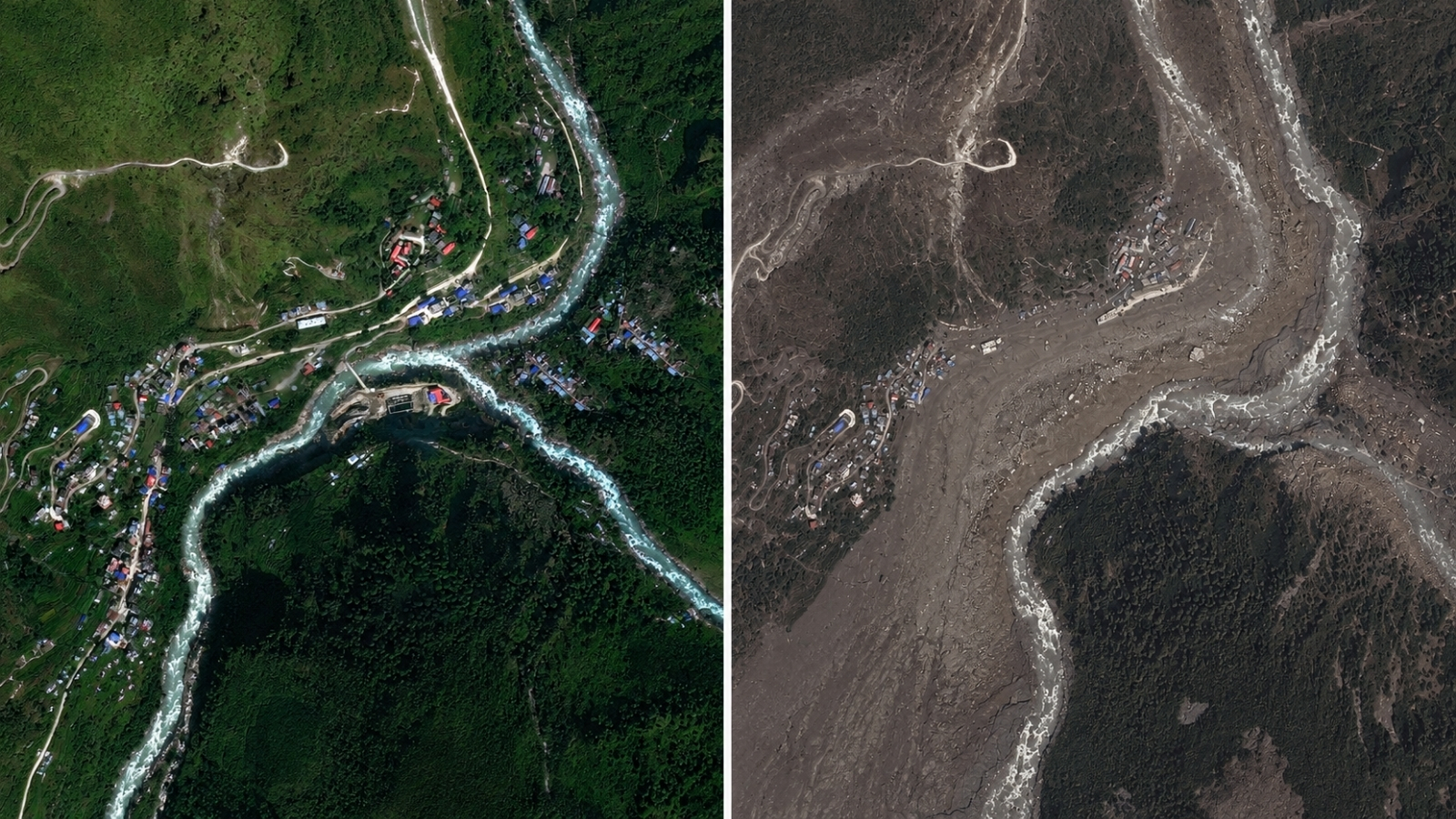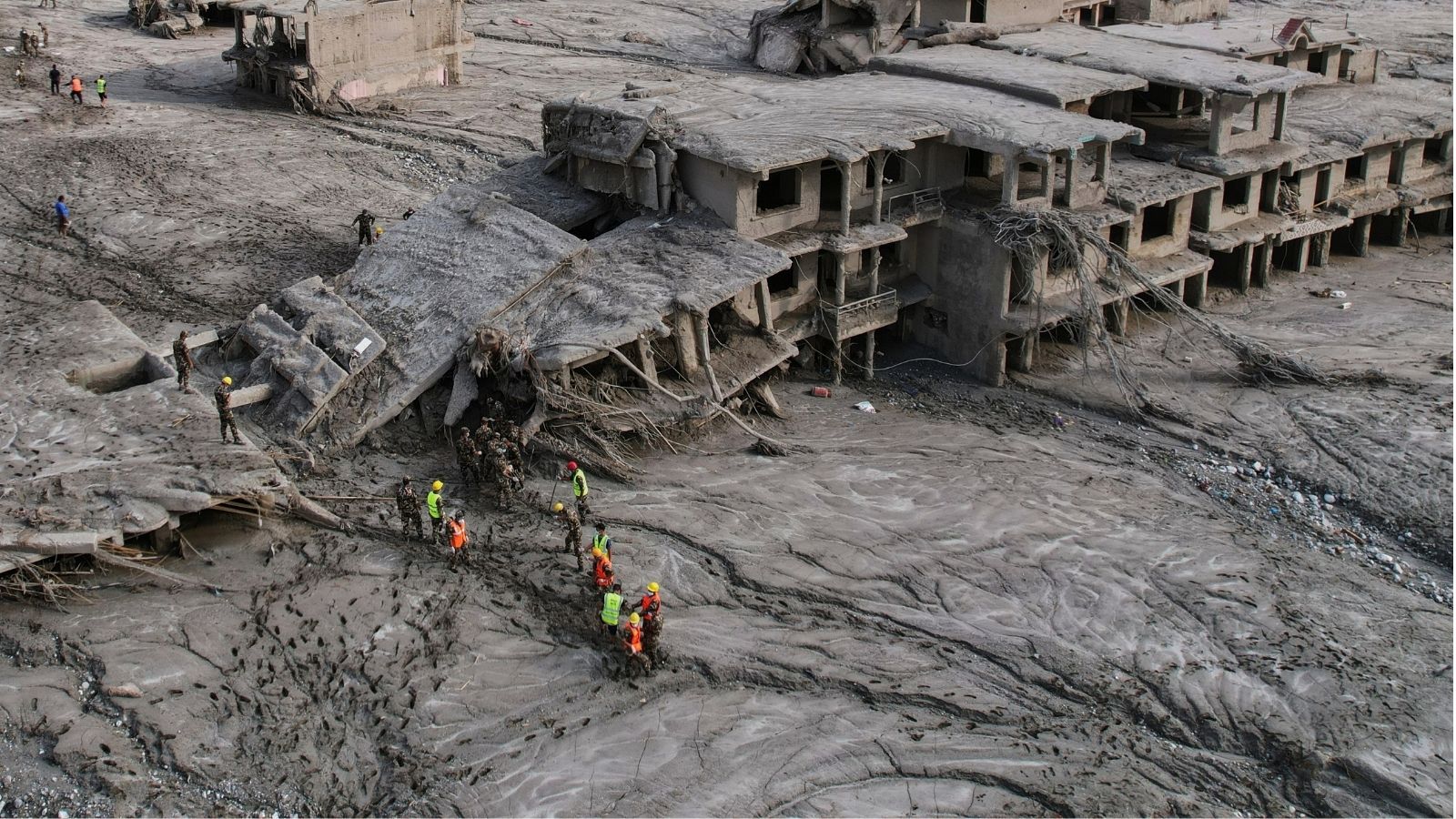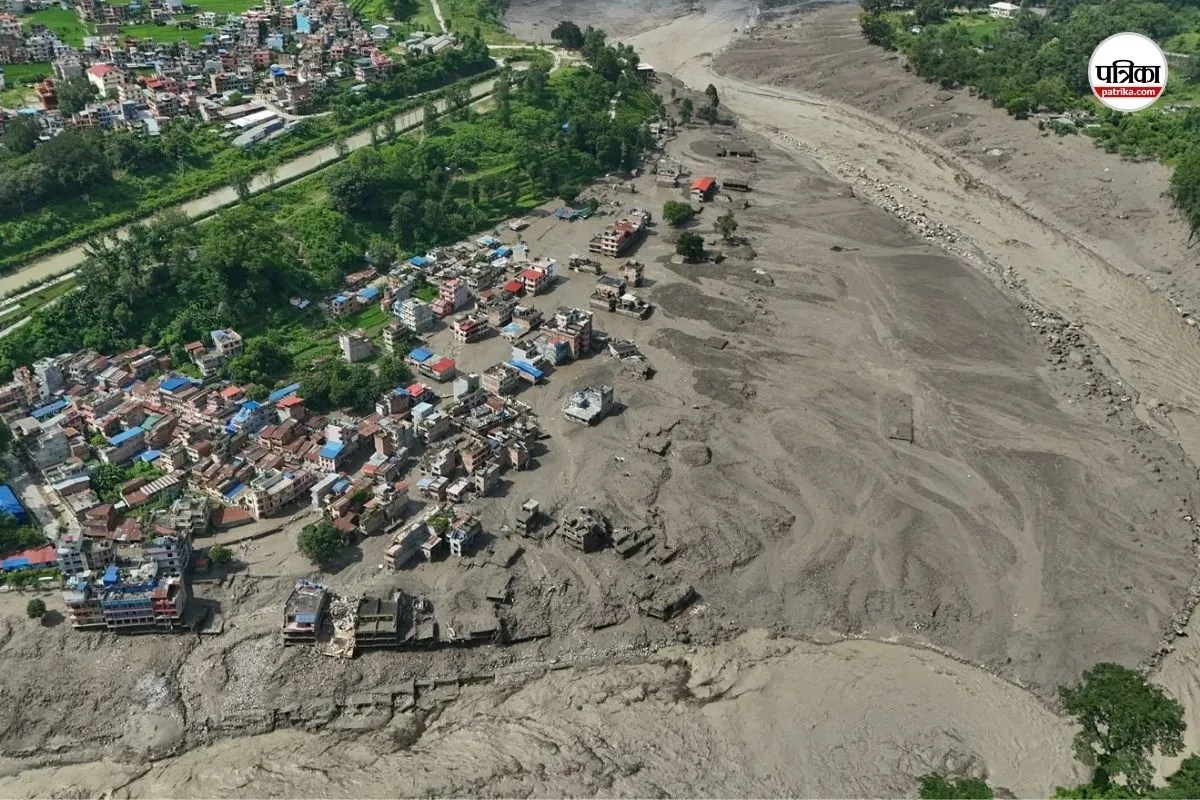
When a massive wall of liquid concrete and debris tore through settlements along the Nepal-Tibet border, the world watched in horror. But anyone paying attention to the Hindu Kush Himalaya region wasn't entirely surprised. Scientists spent months warning that accelerating glacial melt and unstable mountain slopes were setting the stage for a major catastrophe.
The disaster didn't just happen because of heavy seasonal rain. At roughly 17,000 feet near the Langtang Lirung area, an immense section of a glacier—roughly half a kilometer wide—sheared off and plunged thousands of feet into the valley below. The impact generated a seismic shock equivalent to a 5.2 magnitude event, creating a catastrophic chain reaction. Water levels in local rivers surged by nearly 30 feet in less than half an hour, giving downstream communities zero time to escape.
What the Data Actually Tells Us About Melting Glaciers
We tend to think of climate change as a slow-motion crisis, but in high-altitude Asia, it is moving at breakneck speed. Research from the International Centre for Integrated Mountain Development (ICIMOD) shows that glacier ice-loss rates across the Hindu Kush Himalaya have doubled since the year 2000.
These mountains hold the largest reserve of ice outside the polar caps, feeding ten major river systems that sustain billions of people. Yet, rising temperatures are hitting high-elevation zones harder than almost anywhere else on Earth.
- Shrinking Ice Fields: Between 1990 and 2020, glaciers in the region lost about 12 percent of their total area.
- Thawing Permafrost: Ground that stayed frozen for millennia is now thawing, causing steep rock walls to lose their structural grip.
- Rain Instead of Snow: Higher altitudes are increasingly seeing winter rain instead of snowfall, which accelerates erosion and destabilizes snowpacks.
When a glacier retreats, it leaves behind unstable piles of loose rock and sediment known as moraines. When an avalanche hits these saturated zones, they turn into high-speed debris flows that block river channels. Once those temporary natural dams give way, the resulting flash flood acts like an inland tsunami.
Why Traditional Disaster Prep Fails Here
Most mountain communities are built along river valleys because flat land is scarce. Historically, villages knew how to handle seasonal monsoon swells. They built homes above standard flood lines and moved livestock when waters rose.
However, glacial-outburst floods and high-altitude ice avalanches don't follow historical patterns. They happen suddenly, carrying massive boulders and millions of tons of mud that erase multi-story buildings in seconds. Standard early-warning systems designed for heavy rainfall are useless when a mountain face collapses upstream without warning.
Governments and local authorities are stuck playing catch-up. Monitoring every vulnerable glacial lake or unstable slope across thousands of square miles of rugged Himalayan terrain is an astronomical challenge. Many high-risk zones lack basic telemetry or real-time seismic sensors entirely.
The Hard Truth About Living Downstream
The reality is stark. The geography of the Himalayas is changing permanently, and communities downstream will continue to face cascading hazards. Ignoring the structural fragility of these mountain ranges will only lead to more tragedies.
Protecting these regions requires moving beyond basic relief funds and investing in high-altitude monitoring networks, satellite tracking of supraglacial lakes, and strict zoning laws that keep permanent infrastructure away from high-risk river corridors. Until regional planners treat retreating glaciers as an immediate, active hazard rather than a distant environmental talking point, vulnerable communities will remain entirely unprotected against the next sudden collapse.