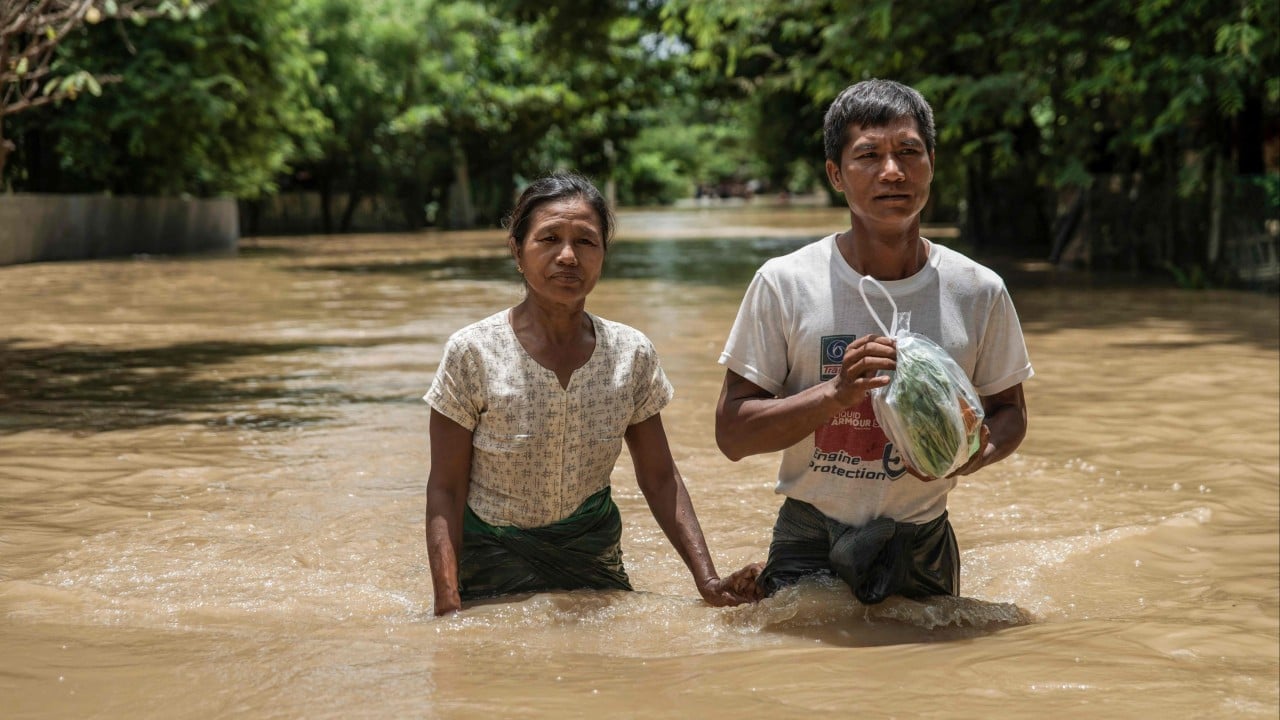
Floods across the Mekong River basin don't just wash away homes; they accelerate a slow-moving economic and geopolitical collapse. More than 70 million people rely directly on the Mekong for survival. When severe weather hits, it crashes into pre-existing financial pressures and regional power struggles. You're looking at a crisis where rising waters are the final straw, not the primary cause.
The Reality of Basin-Wide Pressure
For generations, the seasonal flood pulse of the Mekong was a welcome event. It replenished nutrients, fed the world's largest inland fishery, and sustained agriculture across Cambodia, Laos, Thailand, and Vietnam. That predictable rhythm is gone. Upstream dam construction, intensive sand mining, and erratic climate shifts have altered the hydrology completely.
When heavy monsoon rains arrive now, they don't flow naturally. They hit artificial bottlenecks. Communities in provinces like An Giang and Dong Thap find themselves dealing with compound flooding. River surges combine with local runoff and tidal pressures, trapping water for weeks longer than they used to.
Economic Strain Deepens the Divide
Loss of property is only the beginning. Smallholder farmers and fishers operate on razor-thin margins. When consecutive years of extreme drought—like those recorded by the Mekong River Commission (MRC) in recent cycles—alternate with catastrophic floods, household debt spirals out of control.
People can't simply bounce back.
- Fish catches have plummeted because dams block migration routes.
- Rice yields suffer as vital sediment gets trapped behind concrete walls upstream.
- Rural families are forced to sell land just to survive.
Local economies take a massive hit. The Lower Mekong countries account for roughly half the region's rice and fish production. When floods wipe out these commodities, national inflation spikes. Families trade traditional livelihoods for low-paying urban manufacturing jobs, fueling rapid and chaotic urbanization.
Geopolitical Friction and Transboundary Governance
You cannot talk about Mekong floods without looking at the politics of water. The river flows from China through Myanmar, Laos, Thailand, Cambodia, and Vietnam. Upstream nations control the spigots. Decisions made thousands of miles away dictate whether downstream villages drown or dry up.
Trust between riparian states is fraying. While formal bodies like the MRC push for cooperative basin-wide planning, national self-interest usually wins. Laos wants to be the "battery of Asia" through hydropower exports. China manages massive reservoirs that alter natural flows. Downstream nations like Cambodia and Vietnam bear the brunt of these upstream choices.
This imbalance creates quiet friction. It's not outright war, but rather resource competition that strains diplomatic ties. When communities lose their livelihoods due to mismanaged water flows, the risk of social unrest climbs. Governments find themselves managing domestic anger while trying to maintain fragile alliances with regional superpowers.
Moving Past Band-Aid Solutions
Building higher dikes isn't working anymore. Governments need to rethink how they manage the entire watershed. That means shifting away from massive hydropower projects that fracture the ecosystem. It means investing in transparent data-sharing between all countries sharing the basin.
Policymakers must start treating the Mekong as a single, living organism rather than a collection of national water taps. Until regional leaders prioritize ecological health alongside economic growth, communities will remain trapped in a cycle of environmental degradation and financial despair.