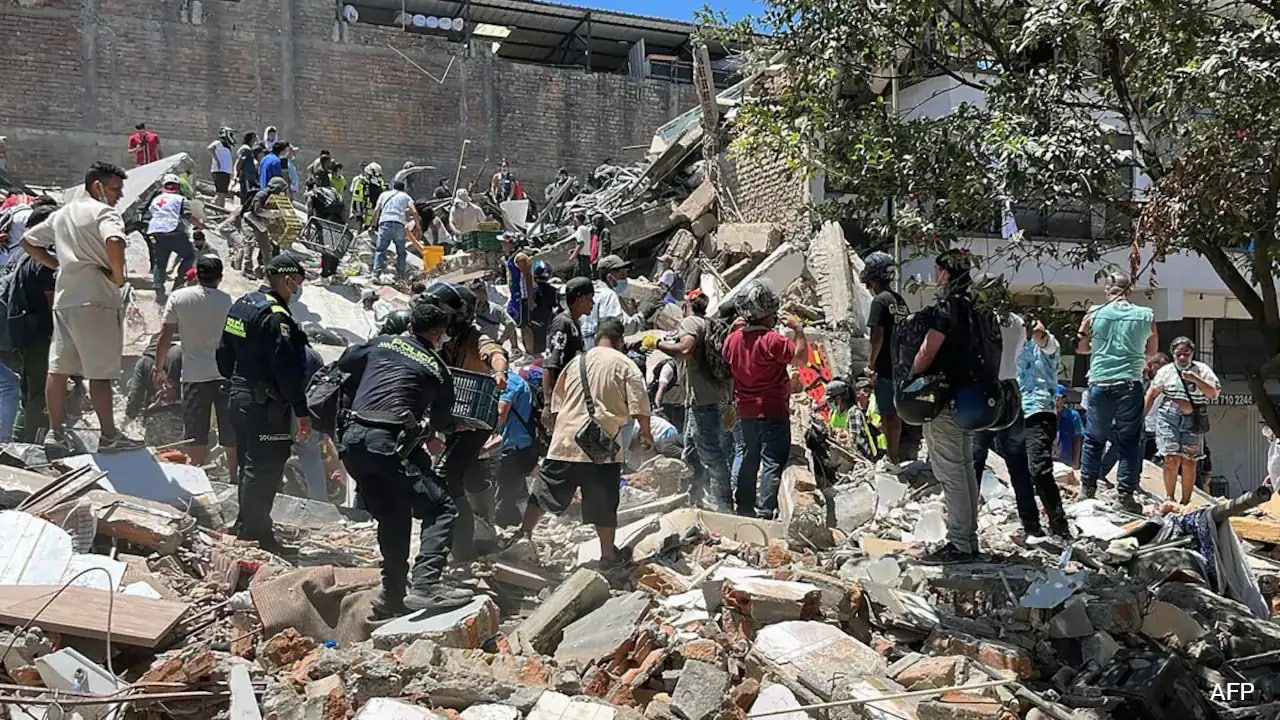
The headlines wept. They cheered. They sold you a narrative of triumph against all odds. When 32-year-old Daniela Largo was hauled from a collapsed building in Pereira after 37 hours beneath tons of concrete, the world framed it as a miracle. Cameras flashed. Crowds applauded. The media christened her a symbol of hope for a shattered nation.
Then, three days later, she died of her injuries.
Suddenly, the news cycle pivoted. Editors scrambled to append tragic updates to feel-good human interest pieces, treating her death as a cruel twist of fate rather than a predictable physiological outcome. This is the lazy consensus of disaster reporting: celebrate the extraction, ignore the biological reality, and turn human trauma into an emotional roller coaster for clicks.
We need to stop romanticizing miraculous rescues and start confronting the brutal physiological math of catastrophe.
The Dangerous Myth of the Extracted Hero
The standard disaster narrative treats extraction as the finish line. Rescuers pull a survivor out, the crowd roars, and the news anchor declares victory. I have watched emergency response units spend millions on high-profile extraction theater while baseline triage protocols fail at the front lines.
The moment a human body is pinned beneath heavy structural slabs for days, a ticking clock of cellular destruction begins. This is not just about dehydration or asphyxiation. It is about crush syndrome.
When muscle tissue is compressed for extended periods, cell membranes rupture. Myoglobin, potassium, and toxins flood the circulatory system. The moment emergency crews lift the concrete and relieve that pressure, those accumulated toxins rush back into the vital organs. It is called reperfusion injury. Left unmanaged without immediate, aggressive field-level hemodialysis and specialized stabilization, the body essentially poisons itself from the inside out the second freedom is achieved.
Yet the media reports the extraction like a Hollywood movie ending. They omit the intensive care unit failures, the lack of specialized crush injury protocols in regional hospitals, and the grim statistics of post-rescue mortality.
The Flawed Metrics of Disaster Response
Ask any emergency management agency how they measure success, and they will point to numbers pulled alive from the rubble. This metric drives public donations, political posturing, and media ratings. It is also fundamentally flawed.
When officials prioritize high-visibility extractions over systematic medical triage, people die. Imagine a scenario where scarce medical personnel and heavy extraction assets are funneled into a multi-hour operation to save a single individual with massive internal trauma, while dozens of walking wounded with treatable injuries bleed out in triage tents outside.
It sounds callous. It is also the cold, hard logic of mass-casualty triage that disaster bureaucrats refuse to discuss publicly because it does not fit on a morning talk show.
We are optimizing our disaster response for cameras, not survival rates. If an extracted survivor dies three days later in a regional hospital lacking the advanced renal support required to combat crush syndrome, was the rescue a success? Or was it an exercise in expensive optics?
Rewriting the Protocol
If we want to fix how the world handles earthquakes and structural collapses, we must dismantle the current playbook.
First, shift the primary metric from extraction speed to post-extraction survival. Every rescue team must carry field-level intravenous sodium bicarbonate and immediate volume-expansion protocols to combat metabolic acidosis before the debris is even fully cleared. If you do not have a trauma surgeon and a portable dialysis unit capable of addressing reperfusion injury at the immediate extraction site, you are performing a recovery operation disguised as a rescue.
Second, stop treating disaster victims as symbols. Daniela Largo was a mother, a daughter, and a person whose life mattered long before a camera crew showed up to film her stretcher. Reducing human suffering to a narrative arc of fleeting hope serves the media appetite, not the victims.
The real tragedy in Pereira was not just the earthquake. It was the collective illusion that getting someone out of the rubble means they are safe.