The rapid resolution of the nine-month administrative detention of 24 Filipino nationals in Irkutsk, Siberia, reveals the structural mechanics of modern transactional diplomacy. While standard geopolitical reporting attributes the repatriation purely to high-level goodwill during the 2026 ASEAN-Russia Commemorative Summit in Kazan, an objective structural analysis demonstrates that the outcome was the product of aligned strategic calculations, asymmetries in diplomatic leverage, and specific operational bottlenecks. The event serves as a case study in how small-to-medium states utilize multilateral chairs to extract bilateral legal concessions from major powers.
Understanding this breakthrough requires deconstructing the case into three distinct pillars: the structural vulnerability of illegal labor pipelines, the asymmetry of localized enforcement versus central foreign policy objectives, and the strategic calculus of bilateral energy and agricultural expansion.
The Structural Mechanics of Migrant Labor Bottlenecks
The detention of the 24 Filipino citizens stems from a systemic regulatory failure within transnational employment pipelines, characterized here by illegal recruitment networks exploiting immigration loopholes. These individuals entered the Russian Federation under fraudulent or misaligned visa categories, creating an immediate compliance breach with domestic immigration statutes.
[Transnational Recruiter Pipeline] ➔ [Immigration Compliance Failure] ➔ [Localized Administrative Detention]
The primary operational friction occurred at the intersection of local law enforcement and federal oversight. In federal systems like the Russian Federation, localized immigration enforcement agencies operate on rigid bureaucratic metrics. Once a foreign national is processed into an administrative detention facility—such as the one in Irkutsk—the legal pathway to release becomes gridlocked by standard bureaucratic inertia. The primary mechanism driving the nine-month delay was not criminal prosecution, but the absence of an administrative catalyst capable of bypassing localized legal procedures.
The structural limitation for the Philippine Department of Foreign Affairs (DFA) during these nine months was an information asymmetry. Because the individuals were held under local immigration infractions rather than federal criminal charges, standard consular notification networks failed to deliver comprehensive data regarding their legal status or physical condition. This created an administrative bottleneck where the state of origin possessed zero operational leverage to force a resolution through standard bureaucratic channels.
Bilateral Asymmetry and the Kazan Summit Catalyst
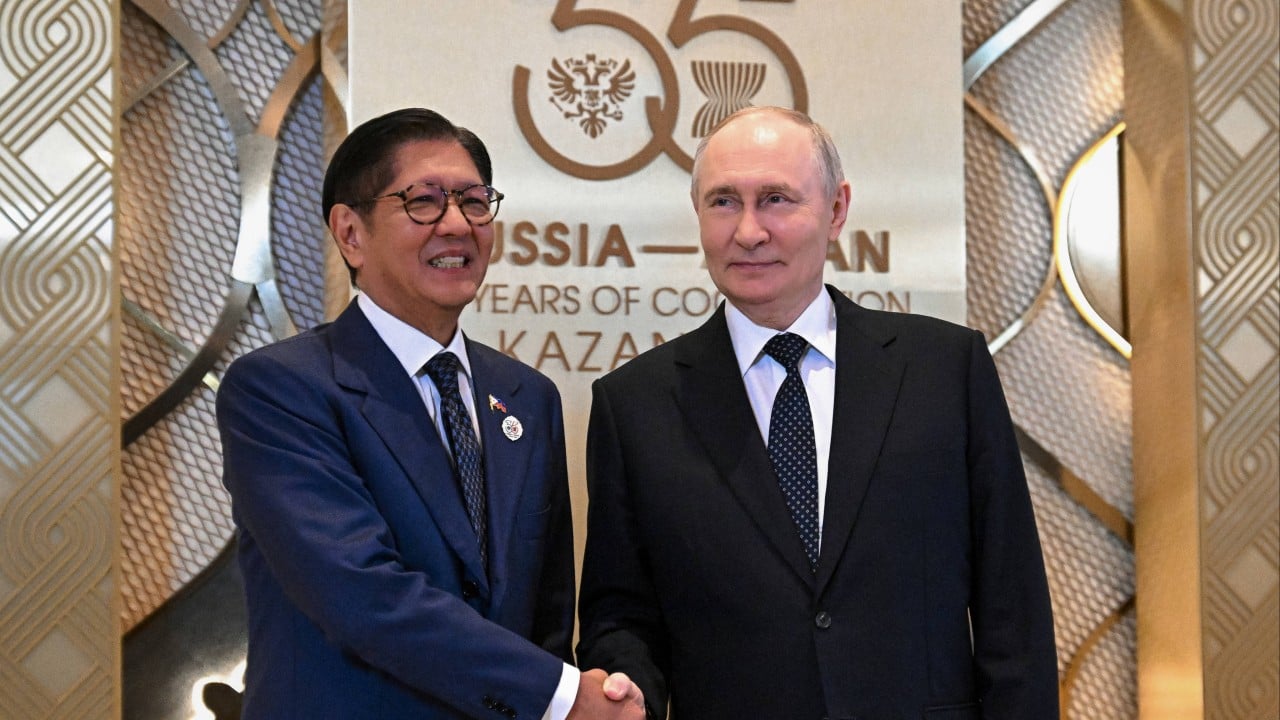
The breakthrough occurred on Wednesday, June 17, 2026, on the sidelines of the ASEAN-Russia Commemorative Summit in Kazan. The operational catalyst was the direct, face-to-face intervention of Philippine President Ferdinand Marcos Jr. with Russian President Vladimir Putin.
In statecraft, the efficiency of an intervention is directly proportional to the structural authority of the actors involved. When Marcos raised the issue, Putin's reported lack of prior awareness highlights a classic principal-agent problem: localized immigration authorities in Siberia operate entirely independently of federal foreign-policy priorities. For Moscow, the maintenance of 24 administrative detainees in Irkutsk carried zero strategic value, yet it posed a measurable friction point in its broader diplomatic engagement with the Association of Southeast Asian Nations (ASEAN), which Marcos chaired at the time.
By shifting the issue from a localized legal framework to a centralized executive framework, Marcos altered the cost function for the Russian state. The executive order to initiate deportation procedures by Friday, June 19, 2026, bypassing standard judicial backlogs, demonstrates the exercise of centralized authority to clear localized bureaucratic friction when a higher geopolitical priority is introduced.
The Geopolitical Transaction Matrix
The swift execution of this repatriation cannot be analyzed in isolation from the broader macroeconomic objectives discussed during the bilateral meetings in Kazan. The Philippines and Russia are marking 50 years of diplomatic relations, a milestone that coincides with acute economic imperatives for both nations.
The strategic equation balances the immediate humanitarian concerns of Manila against the long-term trade diversification goals of Moscow. The structural components of this transaction matrix include:
- Energy Lifelines: The Philippines has been sourcing petroleum products from Russia on an ad-hoc basis since the global fuel crisis triggered by the Iran war. Manila is actively seeking to formalize these arrangements into a systematic, non-traditional energy partnership to secure its domestic fuel supply.
- Agricultural and Tourism Expansion: Bilateral discussions explicitly prioritized expanding market access for agricultural goods and revitalizing tourism corridors, sectors that serve as foundational economic pillars for both states.
- Multilateral Alignment: As the rotating chairperson of ASEAN, the Philippines holds significant institutional power over how the 11-nation bloc navigates its diplomatic and economic relationship with Russia, particularly given that the majority of ASEAN members previously voted for a UN General Assembly resolution condemning Russia's 2022 invasion of Ukraine.
Moscow's concession on the immigration status of the 24 detainees serves as an institutional lubricant. By demonstrating immediate flexibility on a sensitive domestic issue, the Russian state signals its viability as an accommodating partner in long-term strategic sectors. This dynamic effectively neutralized a reputational vulnerability—the protracted detention of foreign nationals without formal charges—in exchange for advancing discussions on institutionalized energy and commodity flows.
The long-term limitation of this diplomatic model is its lack of scalability. While executive interventions yield immediate results for specific cohorts, they do not resolve the underlying systemic vulnerabilities within transnational labor pipelines. For the Philippine government, the strategic imperative moves away from ad-hoc crisis management toward implementing rigid regulatory frameworks capable of monitoring the 15,000 Filipino nationals currently residing within the Russian Federation, thereby preventing localized administrative frictions from escalating into high-level diplomatic liabilities.