The catastrophic disruption of neural pathways following a traumatic brain injury (TBI) or severe road traffic accident presents more than a clinical crisis; it introduces a complex structural breakdown in human capital. When an individual in a high-cognitive profession—such as a barrister, corporate litigator, or senior executive—loses the capacity for speech, the economic and operational damage extends far beyond the immediate physiological trauma. Traditional narratives treat recovery as a linear triumph of human spirit. A rigorous analytical framework reveals that functional restoration is actually a resource-intensive optimization problem governed by neuroplasticity thresholds, technological intervention efficiencies, and socioeconomic support architectures.
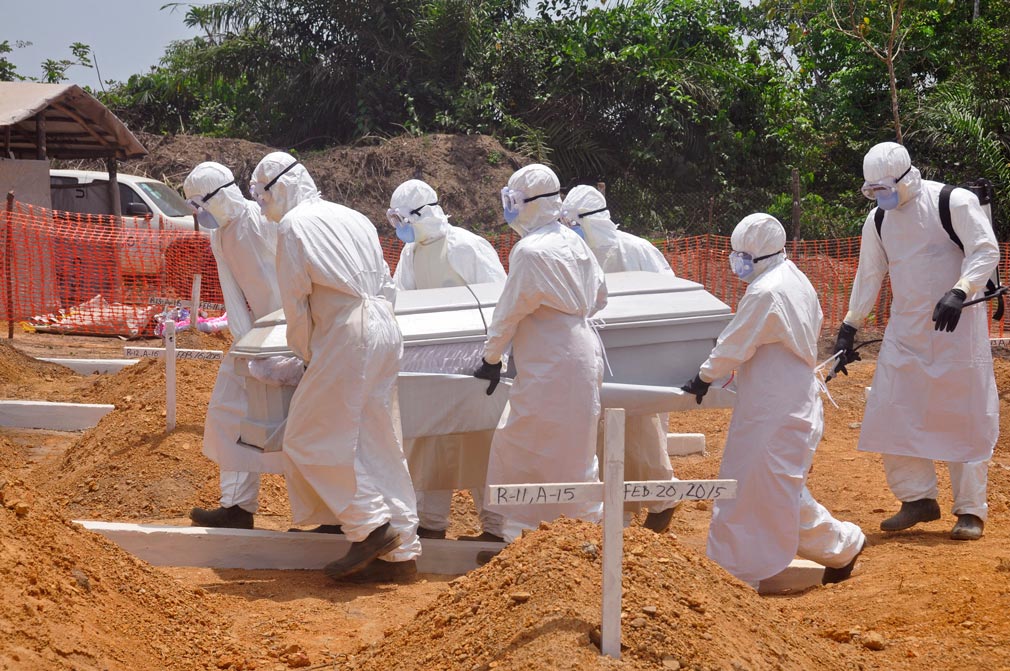
Rejoining a highly competitive professional environment requires transitioning from acute survival to cognitive-linguistic rehabilitation. This process can be systematically broken down into three distinct operational phases: neurological stabilization, assistive adaptation, and professional reintegration. Each phase presents specific bottlenecks that dictate the ultimate trajectory of the individual's recovery. In other updates, take a look at: The Illusion of Containment Inside the New Cross Border Ebola Crisis.
The Tri-Phasic Model of Cognitive-Linguistic Rehabilitation
The recovery trajectory of a severe expressive speech deficit—such as Broca’s aphasia or profound dysarthria resulting from mechanical trauma—is governed by a diminishing returns curve relative to time. The initial six months post-injury represent the peak window of spontaneous neurological recovery. During this period, the brain exhibits maximum biochemical readiness for neuroplastic reorganization.
Phase 1: Neurological Stabilization (0–6 Months)
├── Cellular Repair & Edema Reduction
└── Peak Neuroplastic Window

Phase 2: Assistive Adaptation (6–18 Months)
├── Introduction of AAC Devices
└── Pathway Rerouting (Cortical Remapping)

Phase 3: Professional Reintegration (18+ Months)
├── Cognitive Load Testing
└── High-Stakes Communication Simulation
Phase 1: Neurological Stabilization
The immediate objective is the mitigation of secondary brain injury mechanisms, including cerebral edema, biochemical cascades, and excitotoxicity. Speech-language pathology during this window focuses on basic stimulus-response mapping and assessing the integrity of the patient’s internal language processing systems (the distinction between speech production mechanics and cognitive language comprehension). Healthline has analyzed this critical topic in extensive detail.
Phase 2: Assistive Adaptation
As spontaneous recovery plateaus, the intervention strategy must pivot from pure physiological restoration to compensatory engineering. This phase introduces Augmentative and Alternative Communication (AAC) systems. The primary bottleneck here is the cognitive load of the interface. If an interface requires too many steps to output a sentence, the communication rate drops below the critical threshold required for fluid human interaction (typically 130–150 words per minute).
Phase 3: Professional Reintegration
The final and most complex phase involves matching the patient's restored or augmented capabilities with the explicit cognitive demands of their profession. For a legal professional, this requires executing complex logical operations, real-time adversarial synthesis, and high-fidelity vocal delivery under psychological stress.
The Cost Function of Neuroplastic Reorganization
Neuroplasticity is the structural or functional adaptation of the nervous system to new injury-induced realities. This biological remapping is not free; it operates under a strict biological and financial cost function.
$$C_{total} = C_{bio} + C_{tech} + C_{opp}$$
Where:
- $C_{bio}$ represents the intensive metabolic energy and biological processing time required for cortical remapping.
- $C_{tech}$ represents the capital expenditure for advanced neuro-rehabilitation hardware, software licenses, and specialized clinical hours.
- $C_{opp}$ represents the opportunity cost of lost professional billable hours during the prolonged recovery runway.
The biological mechanism requires intense, repetitive, and task-specific training to force the brain to reroute language processing from damaged areas (typically the left hemisphere frontal lobes) to adjacent uninjured tissue or contralateral regions in the right hemisphere. Cortical remapping demands thousands of repetitions of specific linguistic structures to build stable new neural networks.
The primary limitation of this mechanism is neural fatigue. Patients undergoing intensive cognitive-linguistic rehabilitation often experience profound exhaustion, as the brain consumes glucose at an accelerated rate while attempting to forge new synaptic connections. Consequently, therapy sessions must be precisely rationed and structurally optimized to avoid cognitive burnout, which halts neuroplastic progress.
Quantification of Assistive Communication Interfaces
When physiological restoration hits a ceiling determined by the severity of the initial tissue lesion, technology must bridge the performance gap. The efficacy of an AAC system is measured by its Communication Throughput Index (CTI), calculated as:
$$\text{CTI} = \frac{\text{Words Per Minute} \times \text{Accuracy Rate}}{1 + \text{Latency Penalty}}$$
Traditional eye-gaze systems and physical switch interfaces suffer from high latency penalties, often yielding a communication speed of fewer than 15 words per minute. This throughput is insufficient for high-velocity professional environments like courtrooms or corporate boardrooms.
Advanced systems leverage predictive language models optimized for specialized vocabularies—such as legal nomenclature or medical terminology. By predicting whole phrases based on minimal physical inputs (such as slight muscle twitches, minor jaw movements, or neural impulses via non-invasive brain-computer interfaces), the latency penalty is minimized.
The deployment of these technological systems introduces integration risks:
- The Authentic Voice Gap: Standard text-to-speech engines produce generic, robotic audio outputs. This depersonalization can erode the professional identity and courtroom presence essential for a practicing barrister. Advanced voice banking—where a patient's historical audio recordings are used to synthesize an authentic digital voice clone—is necessary to preserve professional authority.
- Cognitive Switching Overhead: Splitting attention between formulating an argument and physically operating an input device increases the user's total cognitive load. If the interface demands too much conscious attention, the user's ability to process complex external information drops.
- System Reliability Vulnerabilities: Total reliance on hardware and software means that a technical malfunction, battery depletion, or software crash during a live proceeding results in immediate professional incapacitation.
The Socioeconomic Architecture of High-Stakes Reintegration
Returning to a demanding profession after a catastrophic speech loss is impossible without a structured socioeconomic support architecture. This framework relies on a triad of capital deployment, institutional accommodation, and professional adaptation.
Socioeconomic Support Architecture
 ├── Capital Deployment (Insurance, Litigation Financing)
 ├── Institutional Accommodation (Judicial Adaptations, Remote Protocols)
 └── Professional Adaptation (Co-Counsel Frameworks, Asynchronous Workflow)
The financial runway required to fund two to five years of intensive multi-disciplinary rehabilitation (neurologists, speech-language pathologists, neuropsychologists, and assistive technology engineers) runs into hundreds of thousands of dollars annually. In successful case studies, this runway is secured through early insurance payouts, robust personal capital reserves, or corporate risk-management policies. Without this concentrated capital deployment, the patient is relegated to standard public health protocols, which rarely optimize for high-tier professional reintegration.
The second pillar involves structural adaptations within the professional ecosystem itself. In a legal context, this requires the court system to modify standard oral advocacy protocols. Accommodations include:
- Allowing extended time allocations for oral arguments to account for the latency of communication devices.
- Permitting hybrid submissions where real-time text-to-speech outputs are supplemented by pre-recorded digital presentations.
- Integrating co-counsel models where the rehabilitated individual acts as the primary legal strategist, while a junior colleague handles rapid-fire verbal exchanges.
The workplace must shift its evaluation metrics from synchronous verbal agility to asynchronous strategic output. The focus must be placed on the individual's analytical precision, brief-writing mastery, and case architecture design rather than their speed of unassisted oral delivery.
Strategic Outlook for Neuro-Restorative Intervention
The field of cognitive-linguistic rehabilitation is moving away from purely compensatory strategies toward integrated biological-technological augmentation. Over a five-year horizon, the integration of non-invasive Neuromodulation—specifically Transcranial Direct Current Stimulation (tDCS)—with AI-driven predictive communication interfaces will become the standard of care for high-cognitive professionals.
Clinicians will routinely couple intensive speech therapy sessions with targeted electrical stimulation to lower the activation energy required for neuroplastic remapping. Concurrently, generative neural speech prosthetics will transition from research laboratories to commercial applications, allowing users to generate high-fidelity, customized vocal outputs with minimal physical movement.
To capitalize on these emerging technologies, rehabilitation protocols must abandon the siloed approach where physical recovery and technological training are treated as separate tracks. The modern recovery playbook demands that technological interfaces be integrated into the therapy matrix from month three post-injury, ensuring that the patient builds operational mastery of their assistive tools in parallel with their biological recovery. The ultimate metric of success in neuro-rehabilitation is no longer the total restoration of unassisted biological speech, but rather the maximization of total functional communication throughput by any optimized means necessary.