The fluorescent light inside a school gymnasium hums at a frequency you only notice when you are standing alone behind a privacy screen with a black felt pen in your hand. Scuff marks from Tuesday night basketball practices streak the polished maple floor. Outside, a breeze rattles dry oak leaves across the parking lot. You have spent three weeks listening to people yell at each other through glowing glass rectangles about why your neighbor is a monster, why the economy is a burning train, and why everything you care about will vanish if you check the wrong box.
Then you look at the paper.
There is the familiar red-team name. There is the familiar blue-team name. And further down, often sitting there like a guest who arrived before the music started, is a name without a party emblem beside it.
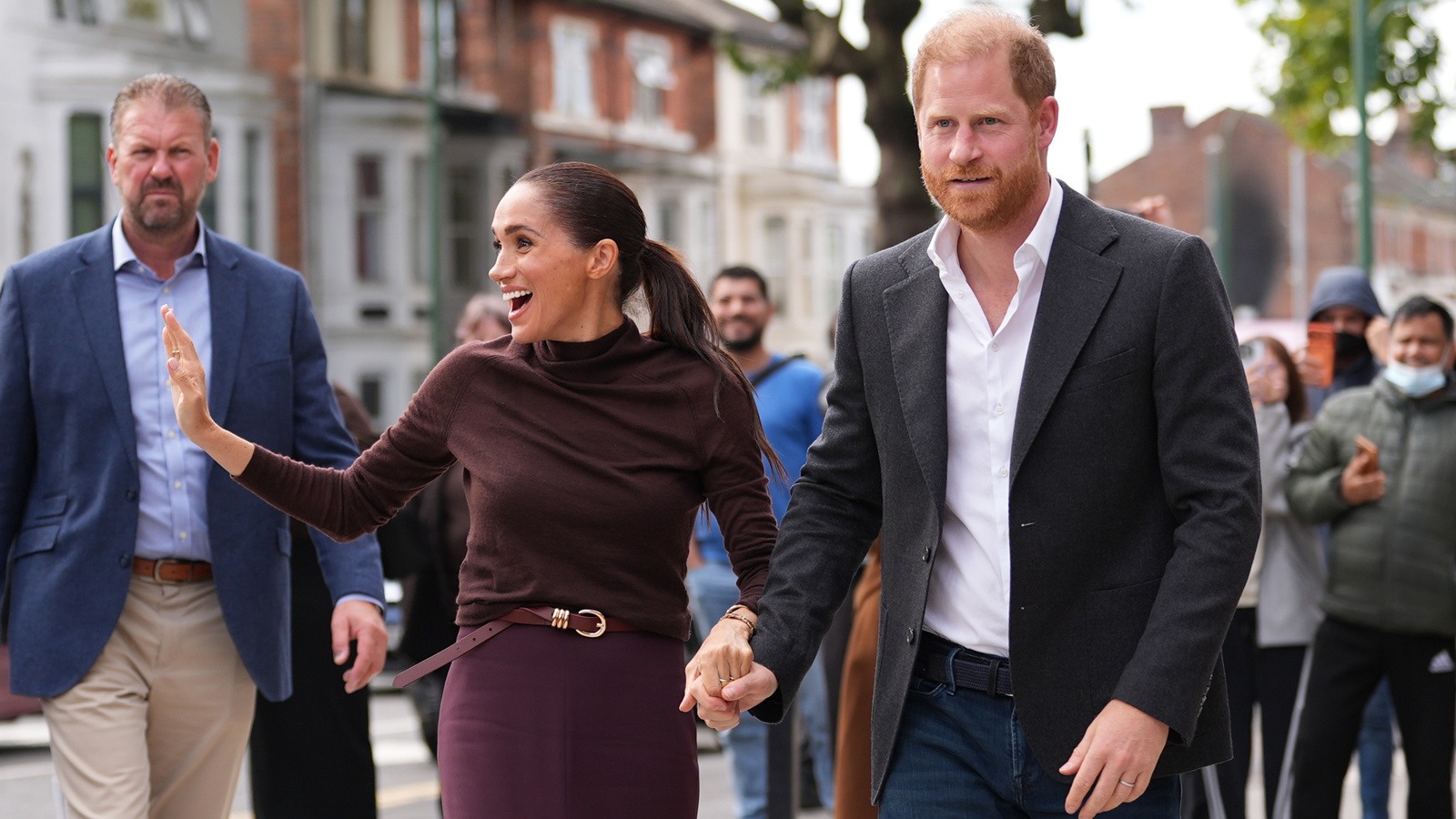
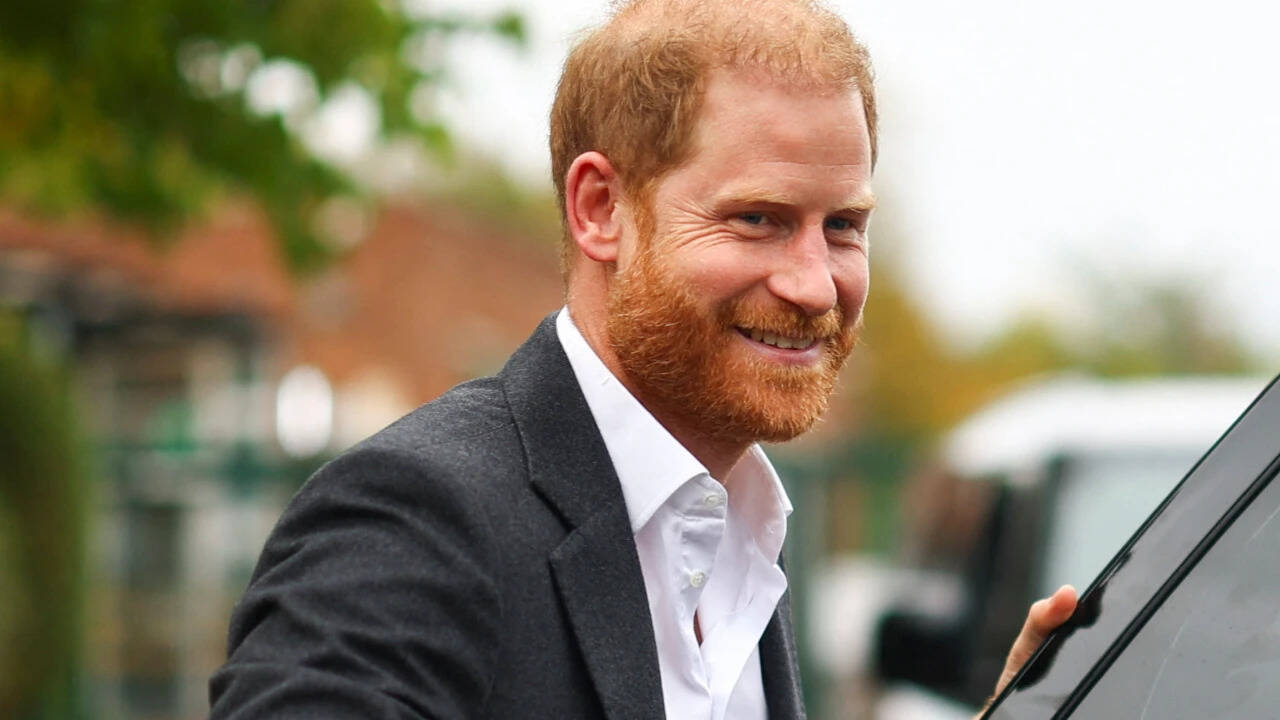
Actor Matthew McConaughey has spent years stepping into conversations where most famous people either recite a script or bolt for the exits. When he urges voters to look seriously at independent candidates, he is not giving a polished stump speech from a gold-plated podium. He is poking at a sore spot millions of us carry around in silence every autumn: the gnawing suspicion that our choices have been pre-chewed for us long before we ever step foot in that gym.
I have stood in those quiet voting rooms enough times to know the exact cocktail of dread and fatigue that settles into your shoulders when you feel trapped between two options you only half-tolerate. Sometimes you vote out of fear rather than conviction. Sometimes you leave a line blank because none of the names feel like they belong to the street you live on. And if you are honest with yourself, it can feel exhausting, confusing, and faintly absurd.
That exhaustion is the real story here.
The Quiet Trap of Two Loud Megaphones
To understand why McConaughey's nudge carries weight, it helps to look at how modern politics trains our ears. We live inside an echo chamber built out of outrage. Cable panels, algorithmic feeds, and fundraising emails all run on the same fuel: existential threat. If the other side wins, the sky falls. Because the stakes are framed as total war every single cycle, moderate or independent voices get painted as naive distractions—or worse, traitors helping the enemy win by splitting the vote.
Consider what happens next when a citizen feels boxed in by that logic.
Imagine a hypothetical voter named Elena—a composite stand-in for millions of working people who do not live at either ideological extreme. Elena runs a small family plumbing and HVAC outfit in a mid-sized American town. On Monday morning, she is under a crawlspace with a flashlight between her teeth, smelling damp earth and copper pipe. By Thursday evening, she is at her kitchen table trying to make sense of insurance premiums, supply chain delays, and local zoning rules that seem written by people who have never held a wrench.
Elena does not wake up hating people who vote differently than she does. In fact, her best mechanic votes one way, her accountant votes another, and her sister refuses to talk politics at Thanksgiving because it ruins the mashed potatoes. When Elena looks at a ballot, she isn't looking for a superhero to smite her enemies. She is looking for someone practical, honest, and grounded in reality.
Yet when she mentions considering an independent candidate—someone not tethered to national party machinery or donor lists—she often hears the same warning: A vote for an independent is a wasted vote.
That phrase has done a staggering amount of heavy lifting for the two major parties. Think of the two-party system as a pair of giant chainsaws idling in a quiet living room. They are loud, powerful, and impossible to ignore. If you walk in holding a hand plane, people will laugh and tell you that you'll never cut down a tree with it. Maybe they're right about big timber. Maybe they're also ignoring that a chainsaw ruins every piece of fine woodworking you try to do.
Historically, American democracy has never been strictly a two-man show, even when the general election ballot looks that way. From early third-party movements that forced major parties to confront slavery, labor rights, and conservation, to independent figures who disrupted stagnant local and state races, outsiders have repeatedly rattled complacency. Political scientists and historians have long observed a recurring pattern: when major parties grow overly rigid, polarized, or responsive mainly to their loudest factions, voters begin craving alternatives—even if the structural hurdles to winning as an independent remain steep.
Steep does not mean invisible. And losing a race is not the only way an idea changes the weather.
Why a Famous Voice Hits Different Here
Celebrities offering political advice is one of the oldest tropes in modern media, and plenty of people roll their eyes the second an actor starts talking policy. We have all seen famous faces lecture audiences from stages while sipping espresso in gated compounds. That gap between preaching and living is why celebrity endorsements so often backfire.
McConaughey occupies a slightly crooked angle on that stage. Born and raised in Uvalde, Texas, a longtime University of Texas booster, an Oscar winner who spent years in rom-coms before reinventing himself through gritty dramas and a candid memoir (Greenlights), he has cultivated an image that mixes folksy Texan cadence with a restless, philosophical curiosity. Even when people disagree with his phrasing or wonder whether he is testing political waters himself, he rarely sounds like a party operative reading talking points off a teleprompter.
Listen to the texture of how he talks about citizenship and compromise. He has repeatedly emphasized personal responsibility, finding common ground, listening across divides, and refusing to reduce fellow citizens to caricatures. When he encourages people to consider independent candidates, the underlying message is less Pick this specific person and more Stop letting fear bully you into pretending you have no agency.
That distinction matters.
A lot of voters don't actually love their chosen party; they just fear the other one more. Fear is a terrible matchmaker. It keeps people in bad arrangements for years because leaving feels risky. When McConaughey nudges folks to look at independents, he is essentially asking a simple, uncomfortable question: Are you voting for something you believe in, or are you just casting a defensive vote against a nightmare someone else wrote for you?
I have asked myself that exact question in the quiet of my own head more than once. Sometimes the honest answer is uncomfortable. You realize you were holding your nose, pulling a lever out of habit, and calling it pragmatism. Pragmatism is a real thing—ignoring ballot mechanics or pretending every third-party candidate is a saint would be foolish. Independent candidates range from sharp, principled problem-solvers to vanity projects and single-issue oddities. Not every outsider deserves a seat at the table.
Still.
Looking closely does not obligate you to hand over your vote blindly. It just asks you to lift your head up from the script.
The Hidden Cost of Treating Elections Like Sports
Watch how we talk about elections now. We talk about "bases," "swing states," "blowouts," "winning the narrative," and "owning" opponents. We treat governance like a Sunday afternoon broadcast where the goal is watching the other jersey lose.
Sports are wonderful. Sports have clear rules, final whistles, and winners who shake hands afterward. Governance is not a game. When a town's water main bursts, when a school district runs out of special-education aides, or when housing costs price out the teachers and nurses who keep a community running, nobody cares which team scored rhetorical points on cable news the night before.
Let's use a metaphor here—a clear, deliberate one—to see what happens when politics turns purely into team sport. Picture a neighborhood potluck where two loud cooks have been arguing for six hours over who owns the kitchen, while nobody actually checks if there is enough food left on the table or whether the oven is even turned on. Meanwhile, someone in the corner has brought a dish made from scratch using ingredients from the local market, and half the room refuses to taste it because they didn't bring the recipe from headquarters.
That is the emotional core of what makes independent candidates appealing to restless voters. Independents, at their best, symbolize an unbought voice. They suggest—at least in theory—that a candidate might answer to constituents rather than party leadership, national fundraising committees, or rigid ideological litmus tests.
Of course, reality is messier than the ideal. Independent candidates face real structural headwinds: ballot access laws that favor established parties, smaller fundraising networks, less media oxygen, and the constant pressure from partisans claiming that voting independent helps the "worse" major candidate win. Anyone who tells you running or voting independent is effortless is selling you cotton candy.
Yet the math of democracy is shaped by human behavior before it is shaped by pundits. When enough voters show curiosity, do homework, and demand better from everyone on the ballot, parties feel that pressure. Even when an independent doesn't win statewide office, their presence can force major candidates to address issues they would rather ignore.
What Actually Happens When You Pay Attention
Most of us don't have four hours a day to read policy white papers or dissect campaign finance filings. We have jobs, kids, aging parents, bills, groggy mornings, and real lives outside the news cycle. Admitting that doesn't make you a bad citizen; it makes you human.
The trap is thinking that because you can't read everything, you shouldn't look beneath the surface at all.
When you actually look at an independent candidate instead of reacting to a label, a few practical questions separate substance from noise:
- Who funds them? Follow the money, even in small races. Are they backed by local people and transparent supporters, or by mysterious outside groups with no ties to the community?
- What have they actually built or solved? Rhetoric is cheap. Look at how they handle disagreements, budgets, or real-world problems when nobody is filming.
- Do they have a real plan or just a grievance? Being angry at the system is easy. Explaining how you would govern—and where you would compromise to get things done—takes work.
- Where do they stand on the issues that hit your household directly? Not culture-war slogans, not abstract theory—the actual day-to-day realities of work, safety, cost of living, and local leadership.
None of that requires a degree in political science. It just requires a little stubbornness—the kind that refuses to let someone else do your thinking for you because it's easier to pick a side and march.
When someone like Matthew McConaughey speaks up in favor of giving independent candidates a fair look, the value isn't that he has all the answers. It's that a familiar, recognizable voice is breaking the spell of inevitability. He is reminding people that the ballot belongs to the voter, not the parties—and that curiosity is not a crime.
Think back to that quiet school gym. The fluorescent light still hums overhead. Outside, the oak leaves keep skittering across the asphalt. You don't have to walk into that booth with fireworks going off in your chest or illusions about perfection. You just walk in awake.
You read the names. You remember the people you love who live across the street and across the aisle. You press the pen down, or tap the screen, knowing that your choice—whether conventional, independent, or somewhere in between—was earned by your own eyes rather than borrowed from someone else's anger.