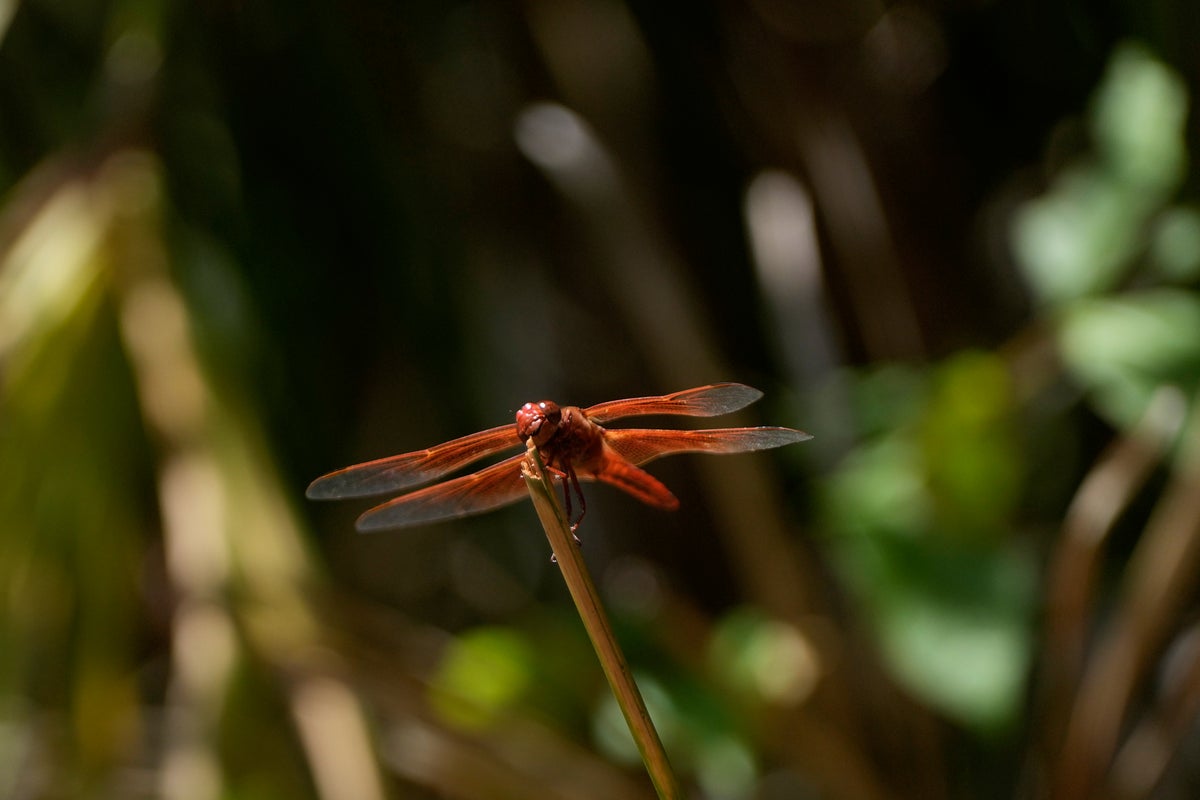
Walking your dog through an Oakland park or checking on crops in Fresno County lately might have left you dodging thousands of flashing wings. California skies are currently playing host to massive, unexpected swarms of dragonflies. It looks apocalyptic if you catch it at sunset, but the reality behind these gatherings is entirely natural.
If you are wondering why these aerial predators suddenly appeared en masse, you are not alone. Let us look at what is actually happening behind the headlines.
The Weather Shift That Sparked the Surge
Most people assume local ponds are suddenly overproducing bugs. That is usually false. The culprit behind these 2026 summer swarms is a combination of warm late-spring weather and unusual monsoon moisture.
According to dragonfly experts like Kathy Biggs, co-author of Dragonflies of California, the massive influx consists largely of wandering gliders. These are highly migratory insects. They do not just sit around stagnant water; they travel long distances by surfing high-pressure atmospheric systems. When warm monsoon storms pushed through the state, they created an environmental conveyor belt. The dragonflies rode those pressure waves straight into urban parks, suburban backyards, and agricultural fields.
California holds roughly 70 distinct dragonfly species, but most stay put near their home waters. Wandering gliders are different. They move fast, sometimes hitting speeds of 35 miles per hour, making sudden pop-up swarms inevitable when the wind and weather cooperate.
Why Farmers Are Thrilled to See Them
Urban residents might find the sudden clouds of insects startling, but farmers across the Central Valley are celebrating. Joe Del Bosque, a farmer in Fresno County, noted seeing swarms hovering 10 to 20 feet above his fields. He welcomes them for one simple reason: pest control.
Dragonflies are absolute killing machines in the insect world. Their hunting success rate clears 90 percent, outperforming lions or sharks by a mile. They target crop-destroying insects like aphids, whiteflies, and fruit flies, alongside mosquitoes and moths. Having hundreds of these biological fighter jets patrolling a farm means fewer chemicals are needed to protect the harvest.
What a Dragonfly Swarm Means for Your Backyard
Seeing a dense cluster of dragonflies around your yard or local neighborhood park usually boils down to two distinct triggers.
- Feeding frenzies: They congregate wherever an abundant food source pops up. If a massive hatch of midges or mosquitoes emerges from a nearby water source, dragonflies swarm in to gorge.
- Migration stopovers: Migrating groups land temporarily to rest and hunt before pushing toward their next destination.
They will not stay long. Migratory species typically vanish after a few days, moving on as weather systems shift.
The Hidden Years Underwater
The creatures zipping past your head right now spent most of their lives completely hidden. A dragonfly's adult flying stage is remarkably brief, lasting only a few weeks or months.
Before taking to the air, they live as aquatic nymphs for anywhere from six months to five years depending on the species. Down in the water, they hunt mosquito larvae, tadpoles, and other aquatic insects. When they finally crawl out, split their exoskeleton, and pump fluid into their wings, they become the agile flyers we notice overhead.
Enjoy the spectacle while it lasts. Leave outdoor lights a bit lower if you want to avoid attracting the smaller bugs they feed on, and let these natural pest controllers do their job undisturbed.