The tech press fell for the oldest trick in the billionaire playbook. Again.
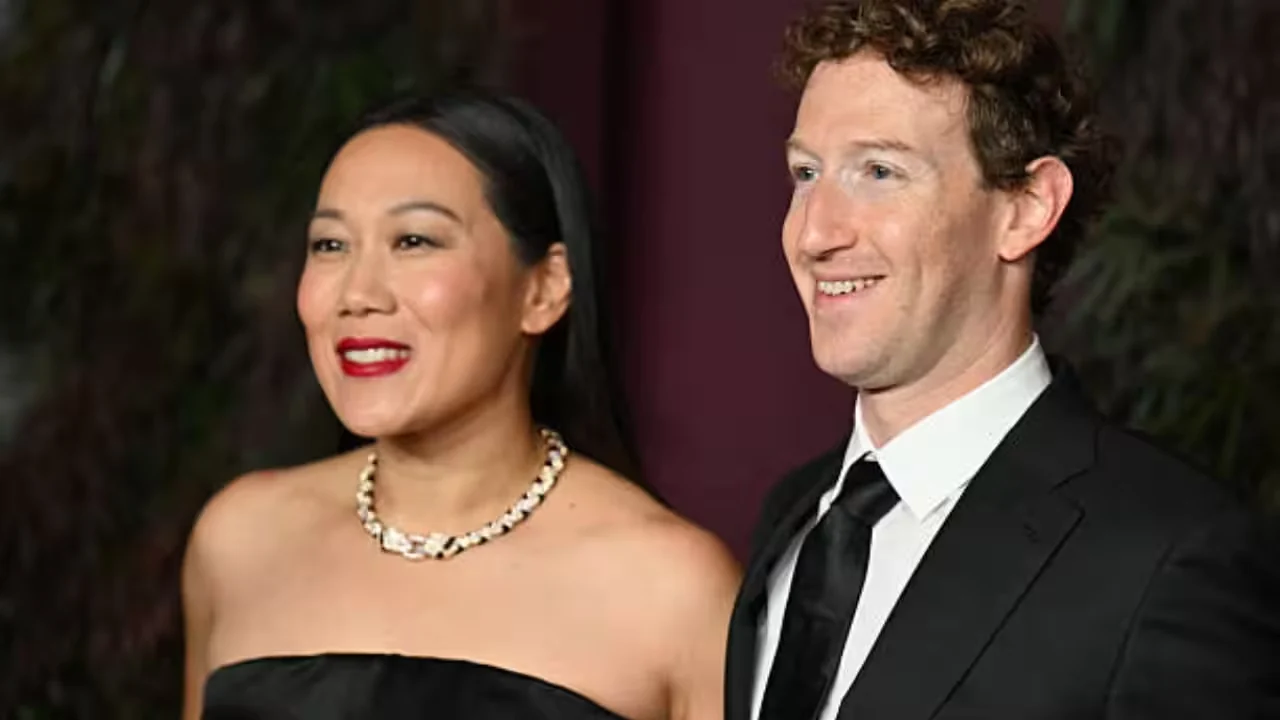
When Mark Zuckerberg posted a Grand Theft Auto 6 stylized image of himself and his wife Priscilla Chan—and Elon Musk replied with a laughing emoji—every click-chasing aggregator on the internet treated it like a wholesome playground truce. Headlines gushed about two rival titans sharing a lighthearted moment over a video game trailer.
They missed the entire point.
That Instagram post wasn't an olive branch, and it wasn't a spontaneous burst of relatable gamer humor. It was a calculated, multi-million-dollar brand-laundering maneuver executed with surgical precision. While reporters were busy analyzing Musk’s laughing-crying emoji like ancient hieroglyphics, Zuckerberg was quietly completing one of the most aggressive reputation overhauls in modern corporate history.
If you still think billionaire social media posts are just rich guys killing time between board meetings, you don't understand how modern attention markets work.
The Myth of the Relatable Billionaire
Let's dismantle the lazy consensus first. The prevailing narrative goes like this: Zuckerberg has finally loosened up. Between Brazilian Jiu-Jitsu tournaments, wakeboarding with an American flag, and dropping GTA 6 memes, the stiff, robotic CEO from the 2018 Congressional hearings is dead. In his place stands "Bro-Zuck"—a self-aware, culturally plugged-in founder who can take a joke and even make his fiercest competitor chuckle.
That story is comforting. It's also completely backwards.
I’ve spent fifteen years advising executives and running crisis communications in Silicon Valley. When a founder with a $200 billion net worth suddenly develops a sense of humor right after a decade of regulatory nightmares, that isn't personal growth. That is a strategic pivot.
Think back to the actual context of that GTA 6 meme. In late 2023, Rockstar Games dropped the first trailer for Grand Theft Auto 6, shattering YouTube records with over 90 million views in 24 hours. The internet was drowning in Vice City neon aesthetics. Within days, Zuckerberg hopped on Instagram, slapped the iconic GTA filter over a photo of himself and Priscilla, and watched the engagement roll in. Then Musk, who had spent months publicly challenging Zuckerberg to a cage match in the Roman Colosseum, dropped a simple 😂 in the comments.
Media outlets framed it as a thaw in their cold war. Look, they're friends now!
Nonsense. Musk’s reply wasn't an endorsement of friendship; it was territorial marking. On X, Musk owns the town square of tech banter. By laughing at Zuckerberg’s post, Musk inserted himself into a viral moment happening on a rival platform, reminding everyone that no tech meme achieves maximum velocity without his stamp of approval. Meanwhile, Zuckerberg got exactly what his communications team wanted: a viral news cycle where his name appeared alongside the biggest entertainment launch of the decade instead of antitrust lawsuits or teen mental health hearings.
Attention Arbitrage at Scale
To understand why this works, you have to look at the mechanics of attention arbitrage.
Traditional PR costs tens of millions of dollars and yields diminishing returns. You hire an agency, pitch a sympathetic profile to a legacy magazine, and hope twenty thousand people read it before forgetting it by Tuesday. Worse, audiences have developed an allergic reaction to polished corporate messaging. When Meta puts out a press release about safety or innovation, people roll their eyes.
Memes bypass the immune system.
By hijacking the GTA 6 cultural wave, Zuckerberg achieved three distinct business objectives for the price of a free photo filter:
- Algorithmic Hijacking: Social algorithms reward topical velocity. Attaching his personal brand to the highest-volume search term on the planet guaranteed his face would appear in feeds that normally filter out corporate tech news.
- Humanization via Proxy: Featuring Priscilla Chan wasn't an accident. Whenever Zuckerberg’s favorability ratings dip, his public appearances pivot toward family, martial arts, or casual hobbies. Putting his wife in a playful, pop-culture frame softens his public image faster than any philanthropic announcement from the Chan Zuckerberg Initiative ever could.
- Neutralizing the Rival: Remember the absurd cage match hype? That saga made both men look ridiculous, though Musk arguably controlled the narrative because he dictated the terms on his own platform. By pulling Musk into his comment section via a harmless meme, Zuckerberg flipped the script. He looked unbothered, confident, and above the fray.
Why the Press Keeps Getting Played
You might wonder why smart journalists keep falling for this. The answer comes down to incentives.
Digital media runs on engagement metrics, and nothing converts better than billionaire drama. A story titled "Meta CEO Executes Calculated Brand Repositioning Using Pop Culture Trend" gets zero clicks. A story titled "Mark Zuckerberg’s GTA 6 Meme Featuring Wife Priscilla Gets Musk Laughing" prints ad revenue.
The press and the billionaires are locked in a symbiotic loop. Founders manufacture low-stakes, meme-ready moments; outlets treat them as genuine interpersonal breakthroughs; the public consumes the spectacle while ignoring the underlying power dynamics.
Consider the timeline of Zuckerberg’s public reinvention:
- 2018–2021: The "Robot" era. Infamous for awkward water-sipping during Senate testimony and the notorious Sweet Baby Ray’s barbecue sauce bookshelf appearance. Public trust in Meta hits rock bottom following the Cambridge Analytica scandal and the Frances Haugen whistleblower leaks.
- 2022: The Metaverse nadir. Meta loses billions on Reality Labs, the stock craters, and Zuckerberg’s legless avatar becomes an international punchline.
- 2023–2024: The Pivot. Threads launches to directly attack X. Zuckerberg starts posting Jiu-Jitsu medals, grows out his hair, swaps gray t-shirts for gold chains and oversized tees, and drops memes like the GTA 6 edit.
Notice the pattern? Every stylistic shift coincides directly with a business imperative. When Meta needed to survive the Apple privacy changes and pivot toward open-source AI (Llama), Zuckerberg needed developers and young consumers to stop viewing him as an out-of-touch boomer villain. You don't win over twenty-something AI engineers with a corporate whitepaper. You win them over by looking like a guy who plays GTA and trains MMA.
What Everyone Gets Wrong About Founder-Led Marketing
If you run a business or manage a brand, watching Zuckerberg and Musk play this game offers a masterclass—provided you don't take the wrong lessons from it.
Most founders look at billionaire Twitter/Instagram antics and think, "I need to post more memes." Then they hire a twenty-two-year-old social media manager to post cringeworthy, off-brand jokes that alienate their actual customers.
Here is the real mechanics of founder-led marketing that nobody talks about:
- Authenticity is a lagging indicator, not a starting point. Zuckerberg wasn't naturally funny in 2018, and he didn't magically become a stand-up comedian in 2023. He leaned into real hobbies (martial arts, surfing) and paired them with self-deprecating humor after he had already survived the worst corporate crises of his career. Humor only works from a position of strength. If your product is failing, jokes look like denial.
- Rivalry is free distribution. Zuckerberg and Musk understand pro-wrestling kayfabe better than WWE writers. Whether they are threatening to fight in Las Vegas or trading emojis under a GTA post, their rivalry keeps both of them permanently lodged at the top of the news cycle. You don't need a nemesis, but you do need a clear enemy—an outdated industry standard, a broken business model, or a competitor’s bloated pricing—to rally your audience around.
- The spouse card is nuclear. Bringing a partner into public brand moments signals stability and normalcy. It is the ultimate counter-narrative to the "ruthless tech sociopath" trope. However, it carries massive risk: once you put your personal life in the arena, you invite public scrutiny into your marriage whenever things go sideways.
The Dark Side of the Meme-ification of Power
There is an obvious downside to this entire phenomenon, and it's worth acknowledging before we applaud the sheer efficiency of Zuckerberg’s PR machine.
When the people who control global information infrastructure—the algorithms that dictate what three billion people read, watch, and argue about every day—turn themselves into relatable internet characters, accountability evaporates.
It is much harder to regulate a guy who looks like he’s having fun at a Vice City beach party than a guy testifying in a dark suit before Congress. When Musk and Zuckerberg trade emojis, the public subconsciously files them away as harmless celebrities rather than unaccountable architects of the modern information ecosystem.
Look at the real-world stakes happening behind the curtain while everyone laughed at the GTA 6 post:
- Meta was aggressively fighting off FTC attempts to break up Instagram and WhatsApp.
- Dozens of state attorneys general were suing Meta over addictive features targeting minors.
- Musk was dismantling content moderation on X while battling advertisers and European regulators.
None of those existential threats disappeared because of a clever Instagram filter. Yet the cultural temperature around Zuckerberg shifted dramatically. By the time he unveiled Meta’s latest AI models and smart glasses, the tech press was practically writing love letters to his "renaissance."
Stop Watching the Emojis
The next time two tech titans interact on social media, ignore the surface-level banter. Don't ask whether they are burying the hatchet. Don't ask what their emoji choice reveals about their secret friendship.
Ask what regulatory headwind is blowing that week. Ask what product launch is thirty days away. Ask whose attention is being harvested, and what you're being distracted from while you hit the like button.
Zuckerberg didn't post that GTA 6 meme to make Elon Musk laugh—he did it so you wouldn't notice he was still running the exact same monopoly, just with better lighting.