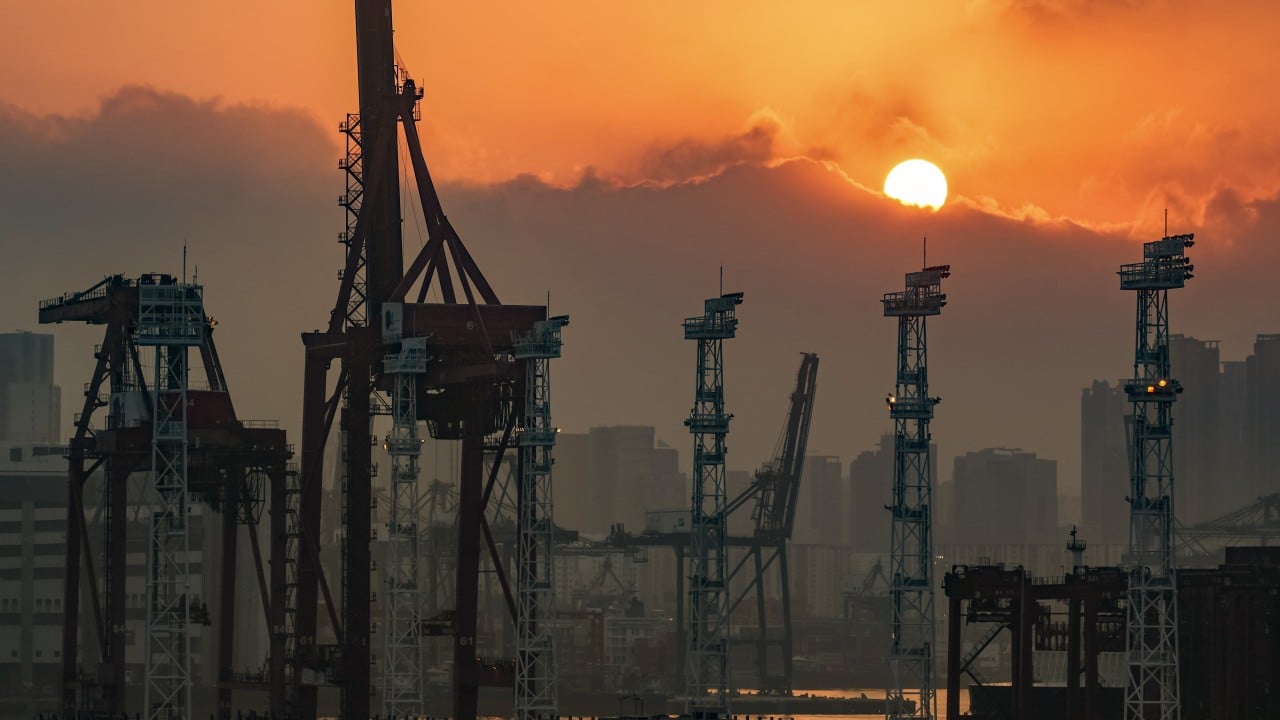
The cargo containers sitting stacked at the ports do not care about diplomacy. They care only about gravity, cranes, and the heavy thrum of diesel engines moving tonnage from one side of an ocean to the next. But every box moved across a border carries an invisible weight: the quiet, anxious math of dependency.
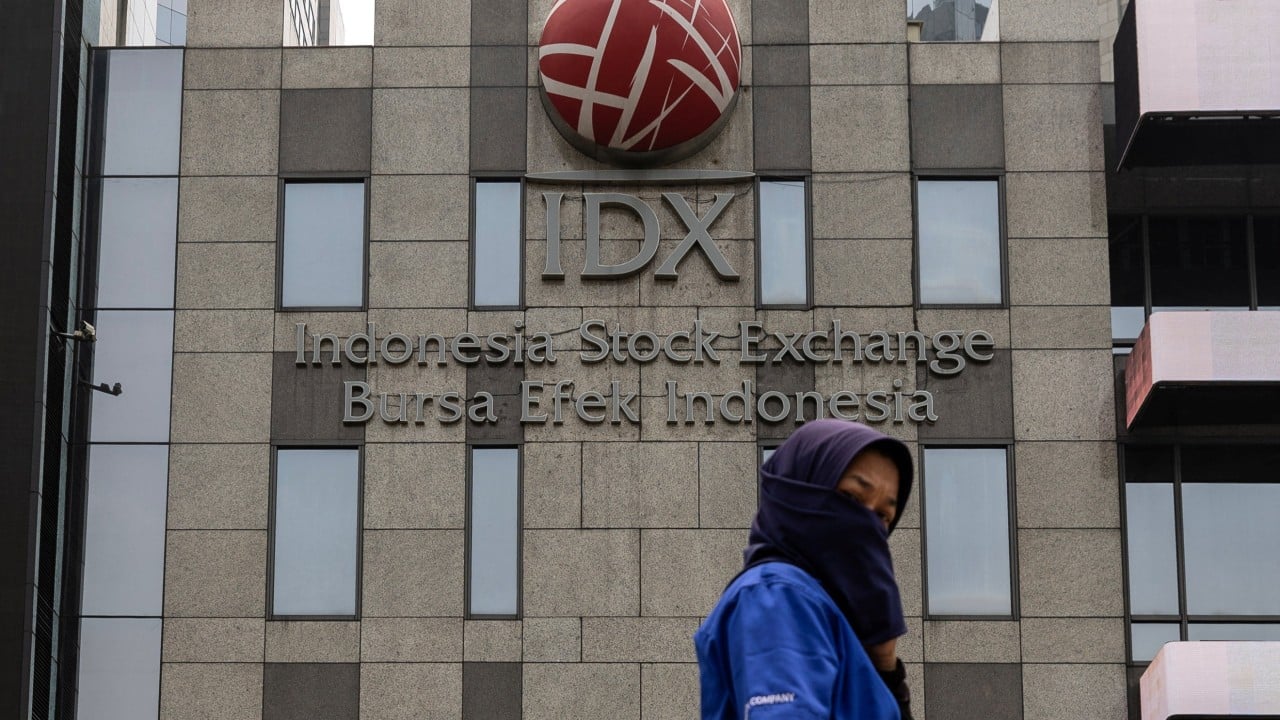
Consider a factory floor in Ontario. The hum of the stamping presses is a steady heartbeat, but for decades, that heartbeat has been synchronized with a rhythm dictated much further south. When the economic weather shifts in Washington, the chill is felt instantly in Windsor. It is a comfortable familiarity, born of shared language, open highways, and a giant marketplace right next door. Yet comfort can curdle into vulnerability when the political winds turn unpredictable. You might also find this connected story useful: Structural Mechanics of Indonesia Economic Nationalism and MSCI Index Rebalancing Risk.
Enter Mark Carney.
He is not a man given to theatrical flourishes. His background is central banking, risk assessment, and the cold calculation of financial exposure. When a financial architect like Carney boards a flight heading east toward Ankara, it signals something deeper than a standard diplomatic handshake. It signals a search for shelter. As discussed in recent coverage by CNBC, the implications are notable.
Trade is fundamentally about trust. When you tie your economic fortunes to a single dominant partner, you are essentially putting all your eggs in one basket, hoping that the holder of the basket never trips. But the global landscape is fracturing. Old certainties are fraying at the edges. Nations are looking around the room, realizing that clinging exclusively to their oldest friend might leave them dangerously exposed if that friend decides to change the rules of the game.
Turkey represents a fascinating pivot point in this new geography of commerce. Bridging continents, sitting at the crossroads of Europe, Asia, and the Middle East, it is an economic powerhouse with a massive, churning domestic market and deep manufacturing roots.
Imagine standing on the deck of a cargo ship anchored in the Bosphorus. To your left, Europe; to your right, Asia. The air smells of salt, roasted chestnuts, and jet fuel. This is where East meets West, not as a poetic metaphor, but as a hard-nosed commercial reality.
When Canadian officials sit down with Turkish counterparts, they are not just negotiating steel tariffs or agricultural quotas. They are drawing new lines on a blank map. They are asking a fundamental question: If the historic bridge wobbles, what alternative pathways can we pave?
The numbers tell part of the story, but human behavior tells the rest. Exporters are tired of waking up to sudden policy shifts that alter their bottom line overnight. Diversification is often spoken of in sterile corporate boardrooms as a strategic luxury, but on the ground, it is a survival mechanism. It is the business owner who refuses to let a single client dictate whether they can afford to keep their lights on next year.
Building a new trade corridor is not like flipping a switch. It requires patience, understanding different legal systems, navigating cultural nuances, and building personal relationships built on mutual respect rather than historical habit. It is messy. It takes time.
Yet the alternative—remaining indefinitely tethered to a single point of failure—is a risk that modern economies can no longer afford to ignore.
The plane lifts off from Ankara, banking west toward home. Below, the ancient landscapes blur into a patchwork of fields and modern industrial parks. Up front, portfolios are closed, projections are adjusted, and the quiet work of rewriting tomorrow continues. The maps are changing. And the world is watching to see who learns to read them first.