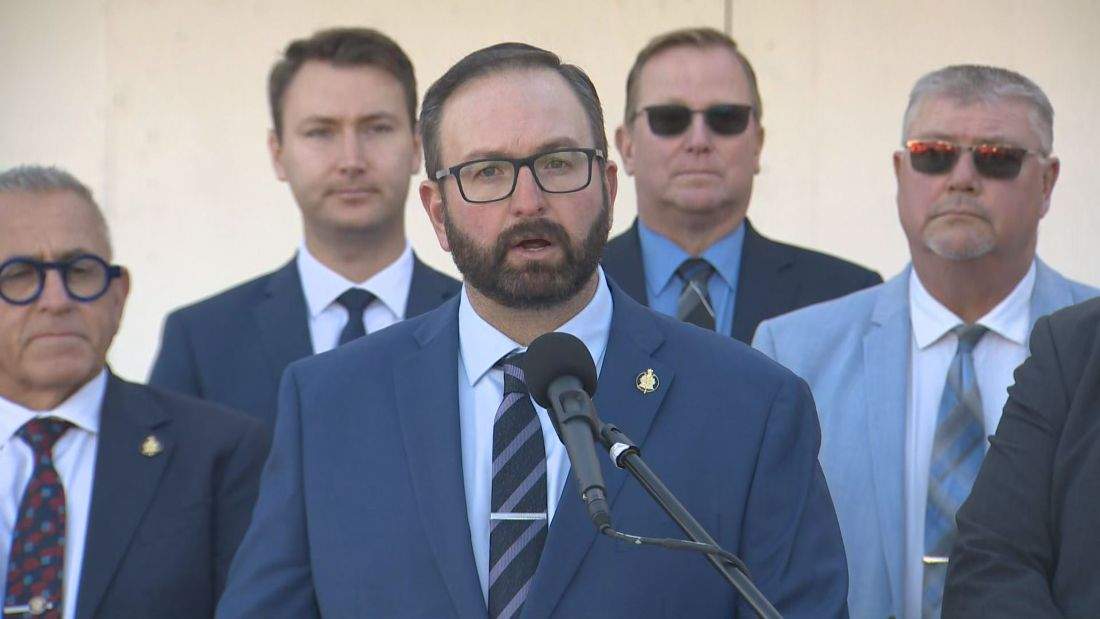
Another day, another political gimmick designed to make headline writers feel productive while solving nothing. The Manitoba Progressive Conservatives recently rolled out a flashy proposal to create a dedicated Crown prosecutions unit staffed by twenty-five new attorneys explicitly targeted at property crime.
The lazy consensus loves this. It sounds tough. It sounds proactive. It deploys the comforting vocabulary of law and order to reassure suburban voters that someone is finally paying attention to smashed car windows and stolen catalytic converters.
It is also an administrative fantasy that fundamentally misunderstands how the justice system operates, where crime actually originates, and why adding lawyers to the backend of a broken pipeline changes precisely zero outcomes on the street.
Stop trying to fix property crime with more courtroom paperwork. Do this instead.
The Courtroom Bottleneck Is Not a Lack of Specialty
The core fallacy of the PC proposal rests on a bureaucratic misunderstanding: the idea that property crime cases sit unprosecuted simply because Crown attorneys are too busy handling complex homicides or narcotics trafficking to care about a bike theft or a retail smash-and-grab.
That is not why files stall. Cases stall because the investigative pipeline is chronically starved of actionable evidence, police resources are spread paper-thin across social crises they were never trained to manage, and the courts are choking on systemic delays.
Imagine a scenario where you hire twenty-five specialized legal eagles and station them downtown. What do they actually prosecute if the clearance rate for property offenses remains abysmal? Without a massive, systemic overhaul of front-end policing, forensic intelligence, and investigative follow-through, a specialized Crown unit is just an expensive office building populated by lawyers waiting for files that never arrive in viable form.
You cannot prosecute a ghost. Shifting desk chairs around the Manitoba Department of Justice does not manufacture evidence out of thin air.
The Root Cause Fallacy
Property crime is rarely an isolated hobby practiced by rational actors who just need to feel the swift hand of a specialized prosecutor to change their career paths. In places like Winnipeg and regional hubs across the province, property crime is an economic subsidy fueled by two distinct engines: unregulated addictions and systemic poverty.
When an individual is cycling through untreated substance dependency, the threat of a dedicated Crown attorney holding a specialized docket register holds zero deterrent value. Deterrence requires rationality. Active addiction is the complete suspension of long-term risk assessment in favor of immediate physiological necessity.
By treating property crime as an enforcement failure rather than a symptom of a collapsing social and healthcare infrastructure, politicians are offering a placebo. It is a performance of authority designed for television cameras.
I have watched public institutions burn millions of dollars on specialized task forces, elite units, and rebranding exercises that generate thick policy binders while leaving street-level realities completely unchanged. The hardware changes; the software remains corrupted.
The Uncomfortable Truth About the Alternative
Let us be entirely transparent about the alternative, because contrarianism without honesty is just sophistry. Dismantling the illusion of the dedicated Crown unit means confronting harder, more expensive, and politically unpalatable truths.
True public safety does not come from downstream prosecution. It comes from upstream stabilization. It comes from massive investments in wrap-around addiction treatment facilities, housing-first initiatives, and municipal policing models that free up front-line officers to actually investigate property offenses rather than sitting in hospital waiting rooms holding administrative custody of mental health patients.
It also means accepting that court backlogs require systemic administrative modernization, institutional funding for legal aid, and the retention of baseline judicial staffing—not tokenistic branding exercises for an opposition party looking for an election plank.
The twenty-five new attorneys promised in the pitch would barely scratch the surface of an overburdened legal machine even if they were deployed to general dockets. Pinning them to a single category of offense creates administrative silos, delays other critical prosecutions, and creates a two-tier perception of justice where a stolen lawnmower gets specialized boutique handling while other societal harms wait in line.
We do not need another specialized unit. We need leaders brave enough to admit that tinkering with the courtroom deck chairs will never fix a house built on sand.


