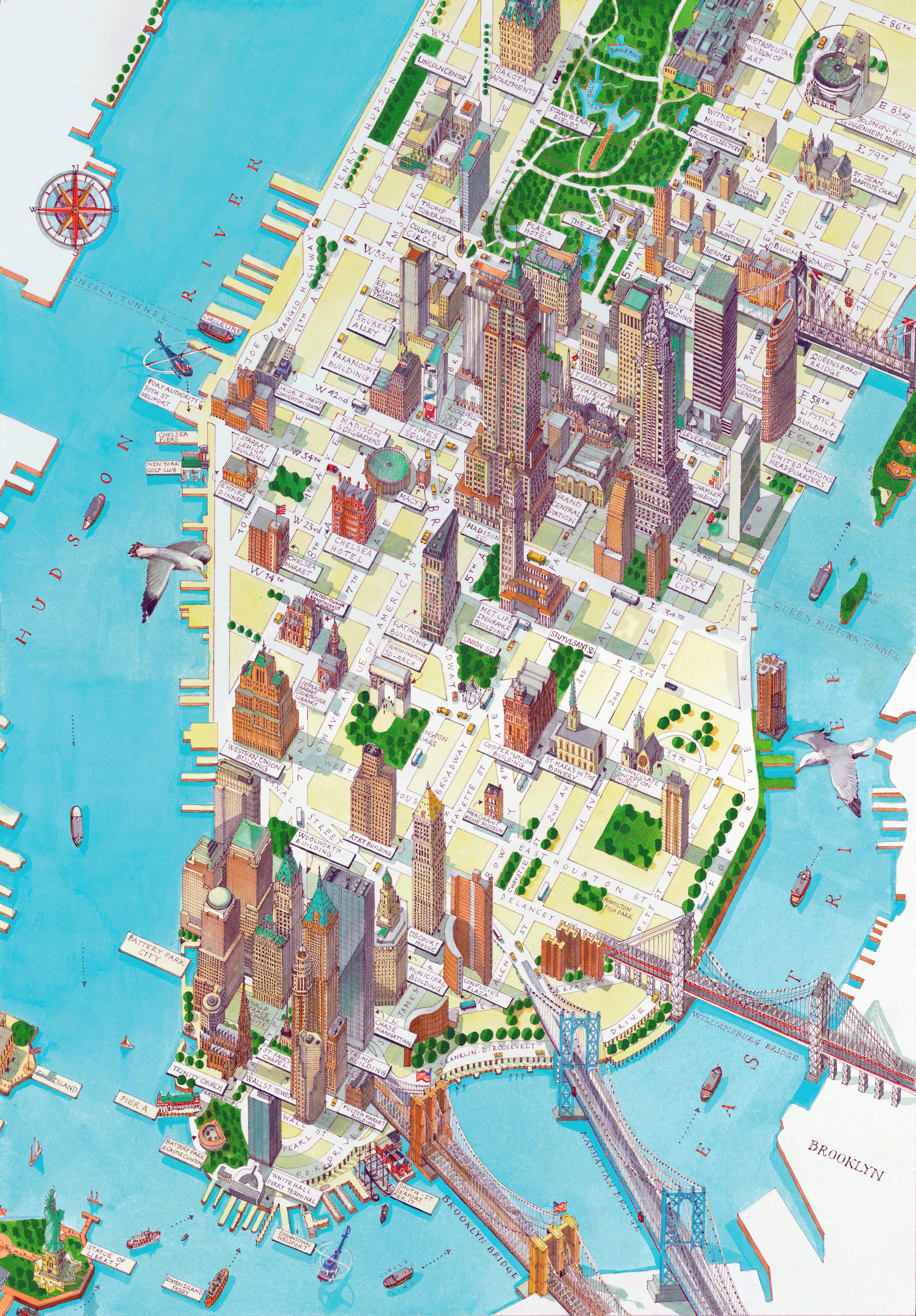
Hundreds of demonstrators gathered in New York City to mark one month since the self-immolation and death of Tibetan activist Lobga Rangzen outside the United Nations headquarters. The assembly combined mourning with renewed, defiant demands for Tibetan independence, highlighting a geopolitical crisis that global institutions routinely sweep under the rug. Rangzen, a 52-year-old exile who spent decades advocating for his homeland, chose the pavement of First Avenue on July 2 to execute the first recorded self-immolation by a Tibetan on United States soil.
One month later, the shockwaves of that afternoon have forced a reluctant diaspora and international community to confront an uncomfortable reality. Protests and vigils are standard currency in international advocacy. Yet Rangzen’s final act was an extreme rejection of quiet diplomacy, exposing the profound desperation gripping a population facing systemic erasure. Meanwhile, you can read related stories here: The Smoke on the Other Side of the Ridge.
Anatomy of a Desperate Protest
The timing of Rangzen's death was not coincidental. It occurred precisely one day after the implementation of Beijing's aggressive "Ethnic Unity and Progressive Law," a piece of legislation engineered to accelerate the total assimilation of non-Han minorities. Inside Tibet, generations have grown up under cultural restrictions designed to dismantle the Tibetan language, religion, and distinct identity.
Outside Tibet, exiles face a different kind of erosion: the slow death of relevance. To understand the full picture, check out the recent analysis by USA Today.
For decades, the mainstream Tibetan freedom movement centered around the Middle Way Approach championed by the Dalai Lama, seeking meaningful autonomy rather than outright separation from China. That policy has yielded virtually zero diplomatic concessions from Beijing in recent years. Frustration among younger, more radical exiles has mounted. Rangzen, who served as president of the Tibetan National Congress, belonged to a faction that viewed compromise as surrender.
When a man sets himself ablaze outside the highest diplomatic body on earth, he is signaling that normal channels of human rights communication have completely collapsed.
The Politics of Silence
The New York commemoration featured prominent figures, including actor and activist Richard Gere alongside representatives from Uyghur, Taiwanese, and Hong Kong pro-democracy groups. Marchers walked from Times Square to the United Nations with white scarves covering their mouths. Organizers noted that this visual symbolized two distinct forms of suppression: the silencing of voices inside occupied Tibet and the deafening silence of global superpowers unwilling to jeopardize trade relations with Beijing.
International response to the event exposed a deep fracture in global foreign policy. Western governments issued routine expressions of condolence, yet avoided any major diplomatic escalation with China. Economic interdependence handcuffs foreign ministries. Governments that readily condemn human rights violations in other theaters adopt strategic reticence when dealing with the second-largest economy on earth.
This selective outrage is precisely what drove Rangzen to extremes. He understood that a quiet life in exile offered comfort, but comfort rarely shifts geopolitical borders.
The Cost of Inaction
Self-immolation remains a deeply polarizing subject, even within Buddhist communities where the sanctity of life is paramount. Traditional spiritual leaders frequently discourage the practice, emphasizing endurance and survival. More than 170 Tibetans have taken their own lives through fire since 2009, mostly inside regions controlled by China.
Yet the recurrence of these acts points to a systemic institutional failure rather than isolated personal tragedy. When peaceful petitions, cultural preservation efforts, and decades of appeals yield tightening security grids and forced boarding schools designed to strip children of their heritage, the psychological breaking point arrives sooner and hits harder.
The New York vigil was billed as a memorial, but it functioned primarily as an indictment. It indicted a global order that prioritizes market stability over human survival. It indicted an international legal framework incapable of protecting stateless minorities from calculated demographic engineering.
Rangzen left behind a video message recorded before his final act, urging his community not to mourn his loss in despair, but to channel their grief into an unyielding refusal to let the Tibetan cause fade into historical obscurity. As the candles burned out on the pavement outside the United Nations, the central question remained unanswered. How many more lives must vanish before the world stops watching in silence.