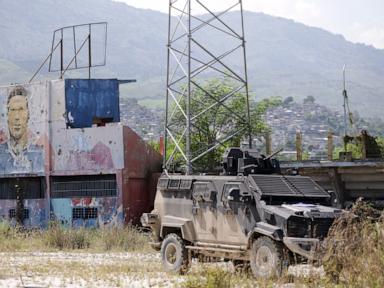
Closing Rikers Island by 2032 sounds simple on paper. Actually pulling it off requires shrinking the jail population by nearly 40 percent while building four new jails across the boroughs.
Mayor Zohran Mamdani unveiled a $290 million plan on November 20, 2026, pushing the closure of Rikers Island five years past its original August 2027 legal deadline. If you've followed New York City justice policy for more than ten minutes, you know how easy it is to pass a closure law and how hard it is to survive the math afterward. In 2019, the city committed to shutting down the East River complex and replacing it with smaller borough-based facilities. Years of construction delays, shifting budgets, and soaring pretrial detention numbers turned that 2027 target into a fantasy.
Mamdani's proposal is refreshingly honest about the calendar. It's far less forgiving about the margin for error.
What Mamdani's Rikers Island Plan Actually Does
At its core, the plan pairs new infrastructure with aggressive population reduction. Around 6,700 people are held in custody at Rikers, while the four planned borough-based jails in Brooklyn, the Bronx, Queens, and Manhattan are designed to hold roughly 4,100 to 4,160 detainees combined, backed by about 340 beds in hospital-based therapeutic units.
Do that math twice. Total planned capacity sits right around 4,500 beds. If the city doesn't bring the jail population down to roughly 4,100 or less, the replacement system simply won't have enough room.
Here's how the administration proposes getting there and rebuilding the system:
- Staggered borough jail openings: Brooklyn is slated to open first in 2029, followed by the Bronx and Queens in 2031, and Manhattan in 2032.
- Hospital and therapeutic care: Alongside a unit at Bellevue Hospital that began operating in April 2026, therapeutic units at Woodhull Hospital and North Central Bronx Hospital are slated to open in 2028 to handle detainees with acute medical or mental health needs. Women in custody will be centralized at the Queens facility, closer to Elmhurst Hospital, while diverting more women into community-based alternatives.
- Faster courts and bail access: Roughly 85 percent of people detained at Rikers are awaiting trial rather than serving a sentence after conviction, and criminal cases in New York City averaged 431 days to resolve in 2025—about 115 days longer than elsewhere in New York State. Mamdani plans a task force to clear court bottlenecks, restore online bail payments in 2027 after that option went offline in 2023, and expand supervised release.
- $290 million in targeted spending: The financial package allocates $290 million through fiscal year 2030—starting with $30 million in the November financial plan and ramping up population-reduction funding toward $76 million in fiscal year 2028, alongside a broader $146 million investment package for that fiscal year covering mental health, substance-use care, housing, job training, and victim support.
- Quarterly transparency: City Hall has pledged to publish progress reports every three months so New Yorkers can track whether milestones are actually being met.
In June 2026, the administration also closed the vacant North Infirmary Command, a facility dating back to 1932, as an early physical step toward turning Rikers land over to the Department of City Administrative Services for future reuse, including early-stage exploration of renewable energy projects.
Why Pretrial Delays Matter More Than Cement
Honestly, pouring concrete is the easy part compared to changing how courts move. Every practitioner who has watched criminal dockets stall knows what happens when a case drags on for more than a year: people who haven't been convicted sit behind bars because they can't make bail or face slow discovery and motion practice.
Mamdani invoked the case of Kalief Browder, who spent roughly three years detained as a teenager over a stolen backpack charge without ever being convicted and died by suicide at age 22 after his release. That tragedy still defines why Rikers became a moral flashpoint, not just a real estate headache. When roughly 85 percent of detainees are pretrial, jail overcrowding isn't just a function of crime—it's a measure of courtroom friction.
"Court delays can leave people detained for years in what is essentially legal purgatory." — Mayor Zohran Mamdani
Shortening a 431-day average case timeline requires coordination across judges, prosecutors, defense attorneys, and city agencies. No single mayor controls every courtroom calendar, which is why a task force is a smart starting point but a tough guarantee.
Where the Pushback Comes From
No plan touching Rikers escapes fierce debate, and Mamdani is getting pressure from multiple directions at once.
Correctional Officers Benevolent Association president Benny Boscio has urged the city to scrap the four-borough jail plan and build new jails directly on Rikers Island instead. Critics of decarceration have long warned that shrinking jail capacity could put public safety at risk if not paired with careful risk assessment and accountability. Meanwhile, some community advocates and residents near planned borough sites—such as Chinatown in Manhattan—have raised concerns about construction disruption and called for closer attention to community-backed alternatives.
City Council Speaker Julie Menin has signaled support for updating the legal deadline so the city can get back on a realistic track, though council members still have to pass legislation extending the August 2027 mandate. Meanwhile, federal oversight looms over the complex after a federal judge placed Rikers under an outside federal monitor due to severe conditions, violence, and safety failures. Building new walls won't automatically fix a broken culture on either side of the bars.
Practical Steps to Watch and Act On
If you live in New York, follow criminal justice policy, or work in advocacy or legal aid, waiting until 2032 to pay attention is a mistake. The decisive tests happen over the next 24 to 36 months.
- Track the quarterly reports: Check releases from the Mayor's Office of Criminal Justice every three months to see whether the detainee count is actually falling toward 4,100 rather than hovering near 6,700.
- Watch the 2027 and 2028 milestones: Pay close attention to whether the online bail portal returns on schedule in 2027 and whether the Woodhull and North Central Bronx hospital units open in 2028.
- Follow City Council hearings: Monitor legislation amending the 2019 closure law and capital budget allocations for the Brooklyn facility slated for 2029.
- Engage at the borough level: Attend local community board or borough-level meetings if you live near a planned facility or support reentry, mental health, and housing providers competing for the $146 million investment pool.
NYC Mayor Unveils Plan To Shut Down Rikers Island 'Once And For All'
This clip provides direct context on Mamdani's announcement and how city leaders frame the push to close Rikers Island by 2032.