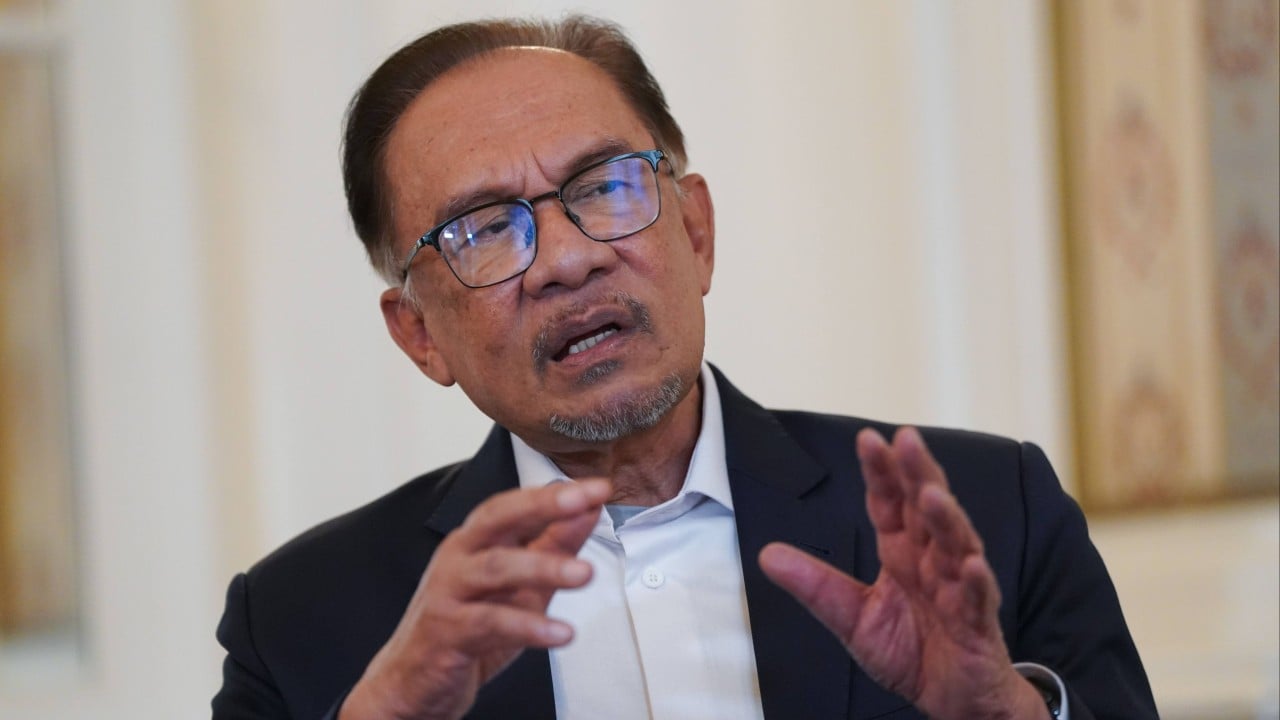
Malaysian Prime Minister Anwar Ibrahim made a calculated, highly controversial pivot when he chose to invite Myanmar junta chief Min Aung Hlaing for official talks. For years, Kuala Lumpur stood as one of Naypyidaw's harshest critics, loudly condemning the military coup and the systemic persecution of the Rohingya Muslim minority. But domestic pressures, overflowing immigration detention depots, and a weary public have forced a brutal pragmatic shift. Anwar isn't shouting from the sidelines anymore; he’s sitting down across the table with the very general accused of orchestrating atrocities.
This high-stakes diplomatic gamble aims to solve a mounting logistical crisis. Malaysia hosts roughly 200,000 refugees from Myanmar, the vast majority of them stateless Rohingya who fled vicious military crackdowns in Rakhine State. Public fatigue and severe economic strains have turned the issue into a political hot potato. When critics demand answers, the government faces a stark reality: shouting moral indignation at an insulated military regime doesn't clear out crowded immigration facilities.
The Mechanics of the Repatriation Deal
Anwar defends the engagement through raw pragmatism. During bilateral discussions, the Malaysian government arranged an initial phased return of Myanmar nationals, starting with a wave of nearly 1,500 people sent back via navy ships, with a target of pulling back up to 5,000.
The logic from Putrajaya is brutally straightforward:
- Direct engagement yields results that isolationism never could.
- Myanmar has conditionally agreed to take back thousands of its citizens in staged batches.
- Diplomatic channels bypass years of diplomatic gridlock, offering a mechanism to ease security and financial burdens at local immigration depots.
"We can be friends, we can trade, we can accept Myanmar," Anwar noted during public defenses of the policy. "But Myanmar must accept them."
If the junta cannot absorb 200,000 refugees at once, the stance is that incremental steps are better than perpetual indefinite detention in foreign holding camps. Yet, this transactional approach comes with an astronomical price tag for regional diplomacy.
Cracking the ASEAN Consensus
By rolling out the red carpet for Min Aung Hlaing, Malaysia has fractured the Association of Southeast Asian Nations' fragile united front. For years, the bloc maintained a strict stance barring the junta leadership from high-level summits due to its failure to implement the regional Five-Point Consensus.
When individual member states bypass collective restrictions to pursue narrow bilateral deals, the entire bloc loses teeth. Human rights organizations and civil society networks across Southeast Asia haven't minced words. Critics point out that handing a pariah military ruler a platform in Putrajaya confers unearned legitimacy on a regime actively losing ground to armed resistance groups at home.
The risk isn't just about optics. It's about safety. Asking refugees to return to a country experiencing active civil war, targeted airstrikes, and ongoing ethnic violence stretches the definition of voluntary repatriation. Independent monitors and groups like Human Rights Watch have warned that outsourcing safety assessments back to the junta leaves vulnerable populations entirely unprotected.
What Happens to the Rest
Even if a phased return of 5,000 individuals proceeds as planned, it barely scratches the surface of Malaysia's broader refugee population. The vast majority remain stuck in legal limbo, lacking work rights, formal education access, and permanent security.
Anwar's pivot exposes a deeper failure in regional policy. ASEAN has no functioning long-term framework for managing mass displacement, leaving frontline host countries to improvise under domestic pressure. Punishing sanctions isolate governments, but uncritical engagement rewards abusers. Malaysia has chosen the latter path, betting that direct deals with the general will clear out detention centers before public backlash forces a harsher domestic crackdown.
The gamble relies entirely on the junta keeping its word on safety and reintegration—a bet history suggests no one should make lightly.