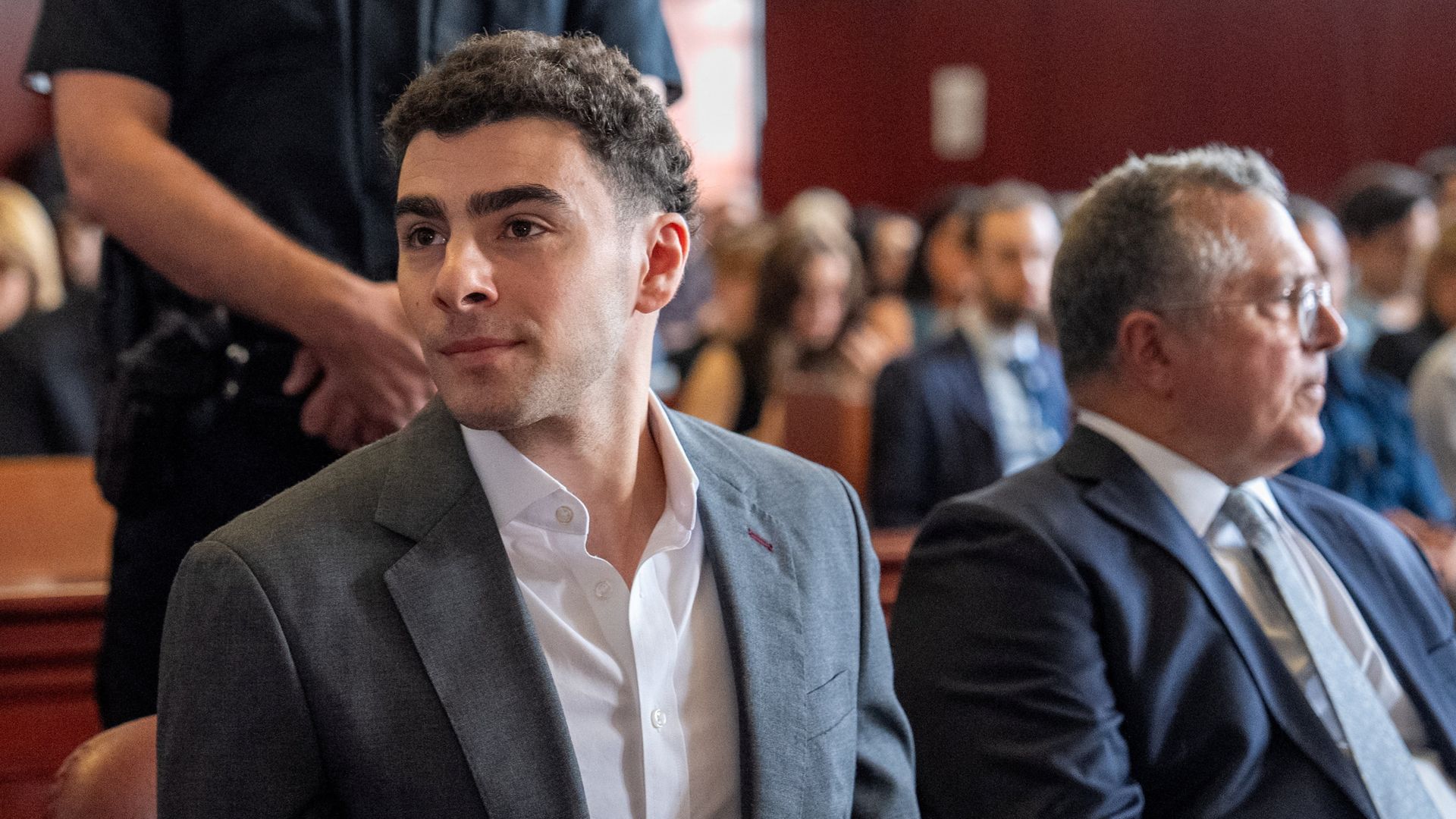
The high-profile legal saga surrounding the killing of UnitedHealthcare CEO Brian Thompson is taking a sharp turn. Luigi Mangione is expected to plead guilty in federal court, a dramatic shift that completely alters the trajectory of a case that gripped the nation since December 2024.
Instead of moving toward a lengthy and contentious trial, legal teams are aligning for a sudden resolution. If you have been tracking how this high-stakes prosecution unfolded, you know the stakes couldn't be higher. This move avoids a courtroom battle on federal charges, but it sets off an intense chess match regarding the pending New York state trial.
What the Federal Plea Deal Actually Means
Mangione was originally facing heavy federal counts, including stalking charges linked to the shooting outside a Midtown Manhattan hotel. Shell casings recovered at the scene bore the phrases "delay," "deny," and "depose," instantly transforming a violent crime into a lightning rod for public anger directed at the American health insurance industry.
By opting for a guilty plea in the federal case, Mangione bypasses the grueling mechanics of a full trial. Defense attorneys and federal prosecutors spent considerable time hashing out terms behind closed doors. Legal experts point out that a federal guilty plea opens a path for the defense to present mitigating circumstances. Rather than rolling the dice on a life-without-parole sentence handed down by a jury, a guilty plea allows his team to argue directly to the judge for a less absolute penalty.
The Collision Course With New York State Court
The federal development does not happen in a vacuum. Manhattan District Attorney Alvin Bragg's office has been aggressively pursuing its own state-level prosecution against Mangione for murder and weapons charges. A state trial was barreling toward a September jury selection date.
Now, the legal battlefield shifts dramatically. Defense lawyers are heavily positioned to leverage the federal plea to block the state trial altogether. Under New York double jeopardy laws, defendants are shielded from facing dual prosecutions for the exact same underlying conduct.
Bragg's prosecutors aren't going to surrender easily, of course. They are prepared to contest any motion to dismiss the state case. Yet, a federal conviction changes the math. It introduces massive procedural hurdles for a state court trying to duplicate a trial for a defendant who has already admitted guilt and accepted a federal sentence.
Public Sentiment Versus the Rule of Law
You cannot look at this case without acknowledging the bizarre public reaction that followed the initial December 2024 arrest in Altoona, Pennsylvania. While corporate executives and legal authorities condemned the brazen daylight murder of a major healthcare CEO, a vocal segment of the public turned the suspect into an unlikely anti-establishment folk hero. Frustration with insurance claim denials, prior authorizations, and corporate bureaucracy created an environment where a tragic murder was uncomfortably reframed by internet culture.
A guilty plea short-circuits the public spectacle a trial would have provided. There will be no courtroom soap opera broadcast to millions, no grandstanding on corporate ethics, and no platform for political theatrics. The legal system is closing the loop quietly.
Keep a close eye on the federal courtroom proceedings and the subsequent defense motions in Manhattan criminal court. The maneuvering happening right now will dictate whether the state gets its day in court or if this unprecedented chapter closes for good under federal authority.