The Weight of Silence
The clock on the sterile wall of the Kathmandu hospital lobby does not tick. It groans. Every sweep of the second hand feels like a heavy iron door dragging across a stone floor. Outside, the city hums with its usual chaotic energy—motorcycles weaving through dust, vendors shouting over the din of traffic, life rushing forward as if nothing has altered the axis of the earth. But inside this room, time has fractured.
Here, air is measured in shallow gasps. Also making news recently: Litigating Terror: The Structural Pathology of the Khalid Sheikh Mohammed Prosecution.
I know this room. Not by a specific address or a single tragic afternoon, but by the universal geometry of grief. Every major crisis shares an identical architecture: hard plastic chairs that dig into your lower back, a flickering fluorescent tube that hums a low, maddening note of electricity, and a doorway beyond which doctors move like ghosts in blue scrubs.
Families gather here not by choice, but by the cruel gravity of sudden disaster. Whether it is an earthquake splitting the valley floor, a bus plunging down a mountain switchback, or the sudden, sharp failure of an aging heart, the aftermath looks the same. People clutching crumpled identity cards. People whispering names like prayers. People staring at a blank television screen that plays muted daytime soap operas, a bizarre insult to the magnitude of their pain. More information into this topic are explored by NPR.
Consider what happens next: a pair of double swinging doors pushes open.
Every head snaps up. For a fraction of a second, hope flares—sharp, white-hot, and blinding. Then a nurse scans the sea of bloodshot eyes, holding a white clipboard. She calls a name. Just one name.
For the person chosen, the world shatters or mends. For the dozens left behind on the plastic benches, the silence crashes back down, heavier than before.
The Invisible Anatomy of Waiting
Waiting is not a passive state. It is an active, agonizing labor.
Biologically, your body treats the uncertainty of a hospital waiting room the same way it treats a physical predator. Adrenaline floods your bloodstream. Your pulse hammers against your ribs. Your stomach coils into a hard, cold knot. You want to run, to scream, to smash your fists against the drywall, yet you sit completely still. Moving feels dangerous. If you get up to buy a cup of sweet milk tea from the vending machine, what if the doctor walks out? What if your name is called while you are gone?
So you stay. You anchor yourself to that wretched chair.
To understand the emotional core of a hospital in Kathmandu during a crisis, you have to look past the medical charts and look directly at the social fabric holding these families together. In many Western institutions, waiting rooms are cushioned by privacy laws, scheduled updates, and sterile efficiency. Here, the wait is communal. It is a shared vigil.
People who met twenty minutes ago are now gripping each other's forearms. An elderly woman in a faded red sari shares her woolen shawl with a younger man whose hands are trembling uncontrollably. They do not know each other's surnames. They do not need to. They are bound together by the terrifying realization that someone they love is currently on the other side of that wall, balanced on the razor-thin edge between this world and the next.
Information travels like static. A porter walks past muttering something about a shortage of blood supplies. A distant relative calls a mobile phone, and the speakerphone function shatters the uneasy quiet with frantic questions from a village three hours away in the hills.
How is he? Can we come? Is it bad?
How do you answer that? How do you compress the terror of an intensive care unit into a two-minute cellular connection? You lie, softly. You say he is resting. You say the doctors are doing everything they can. You say this because the truth is too large to fit inside the small screen of a phone.
The Cost of Hope
Medicine is often romanticized as a triumphant march of science. We love the narrative of the brilliant surgeon working through the night, the dramatic beep of a monitor shifting into a steady rhythm, the triumphant discharge into the morning sun.
We rarely talk about the gray space in between.
The gray space is where most people live. It is the cost of care in a developing medical system where resources are painfully thin, where every vial of saline and every hour of oxygen carries a silent, compounding financial and emotional weight. Families sell jewelry they inherited from their grandmothers just to pay for specialized imaging. They borrow money from local lenders at crushing interest rates. They do this without hesitation because what is gold compared to a beating heart?
Imagine walking into a pharmacy three blocks from the hospital at three in the morning. The metal shutters are half-closed. A sleepy pharmacist peers out from behind a mountain of cardboard boxes, checking handwritten prescriptions scribbled by overworked residents. The shelves are missing half the specialized drugs requested.
This is the hidden crisis beneath the crisis. It is not just about surviving the initial trauma; it is about surviving the gauntlet of the system designed to treat it.
Yet, resilience in Kathmandu wears a very specific face. It is stubborn. It is quiet. It is refusal dressed up as endurance.
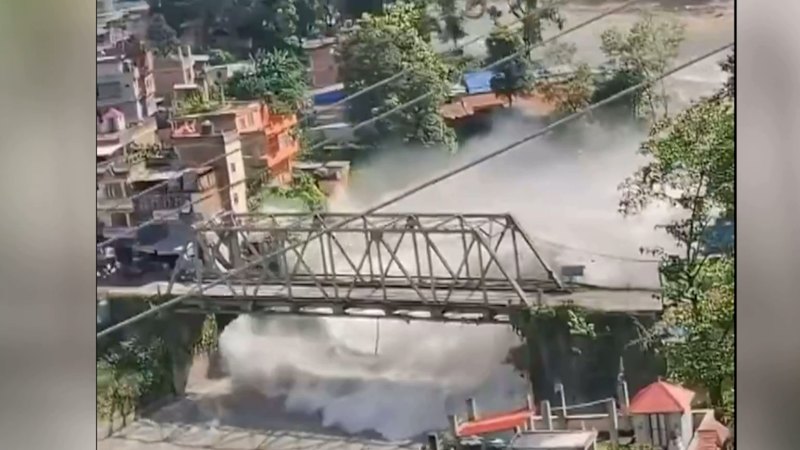
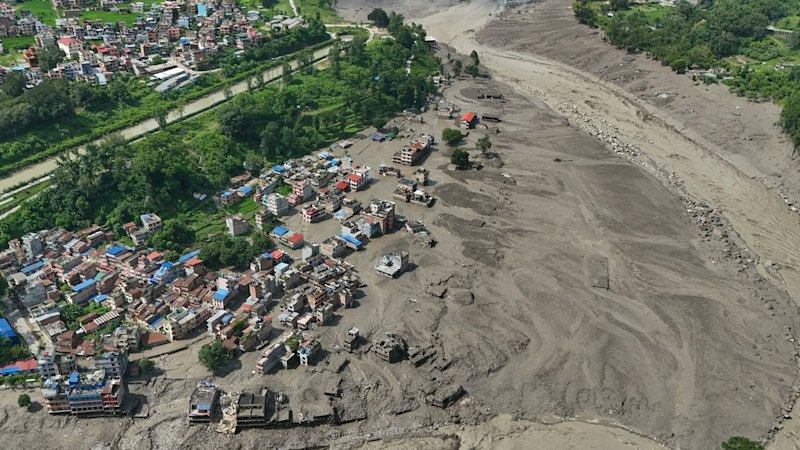
I watched a father sit on a stone curb outside the emergency entrance for fourteen hours straight following a massive structural collapse across the river. He had no coat. The night air dropped into the biting mountain chill. When a volunteer offered him a hot cup of tea, he shook his head.
"When my son wakes up," he said, his voice entirely hollow, "then I will drink."
He did not move. He did not blink. He just stared at the heavy wooden doors of the trauma ward, guarding his son with the only currency he had left: his unbroken attention.
The Long Road Home
Morning arrives without fanfare.
The heavy, dark indigo of the Kathmandu sky slowly dilutes into a bruised gray, then a harsh, dusty white. The street sweepers outside begin their rhythmic scraping against the pavement. The stray dogs that prowl the alleys curl up in patches of early sunlight.
Inside, the lights of the waiting room flicker off, rendered redundant by the harsh daylight spilling through the grime-streaked windows.
The double doors swing open one more time.
A weary doctor, her hair pulled back in a loose, messy knot and dark circles carved deep beneath her eyes, steps out. She is not smiling. She does not need to. Her steps are deliberate. She looks around the room, meeting the desperate, hopeful, terrified eyes of the people who have been sitting in the dark for a lifetime.
She takes a breath. She calls the name.
And the world turns, once again.