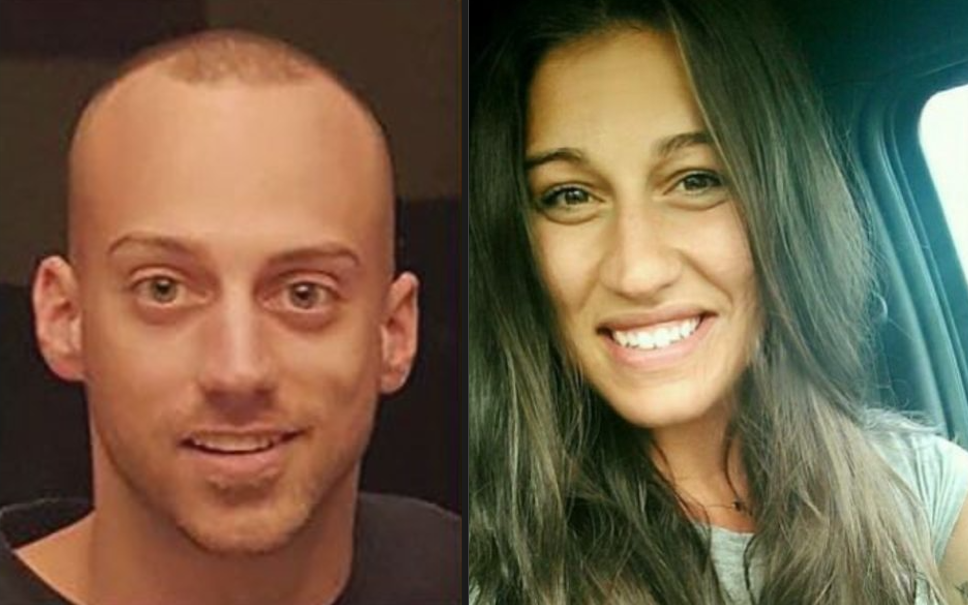
Mila Barberi wasn't the target. She was a 28-year-old woman sitting in a vehicle with her boyfriend in a quiet Vaughan industrial area when a gunman opened fire in broad daylight. That was 2017. Nearly a decade later, her family is still trapped in a legal limbo that feels like a cruel joke. The man accused of pulling the trigger, Michael Quaggiara, is sitting in an Italian prison while the Canadian government navigates the sluggish, red-tape-heavy process of extradition.
When we talk about organized crime, we often focus on the "theatre" of it—the shadowy figures, the power struggles, and the headlines. We forget the collateral damage. Mila was that damage. She was a young woman with a future, caught in the crosshairs of a conflict she had nothing to do with. Now, her family has to watch the calendar turn while a suspect remains thousands of miles away. It’s a frustrating reality of international law that "justice delayed" isn't just a cliché; it's a daily weight for those left behind.
Why Extradition Takes Forever
You'd think a murder charge would fast-track a suspect's return. It doesn't. Extradition is a diplomatic minefield, especially when you're dealing with Italy and its complex relationship with organized crime and the 'Ndrangheta. Canada and Italy have a treaty, but that's just a piece of paper until lawyers get involved.
The process involves multiple layers of judicial review in both countries. First, the Canadian Department of Justice has to make a formal request. Then, the Italian courts have to determine if the evidence meets their standards. It's not a simple "hand him over" situation. The suspect has rights to appeal at every single stage. In many cases, these appeals can drag on for years as defense teams argue about prison conditions, the validity of evidence, or even the potential for a life sentence without parole, which some European jurisdictions view differently than North America.
It's a grind. For the Barberi family, every day Quaggiara spends in Italy is another day they can't see a trial begin on Canadian soil. They're stuck waiting for a plane that hasn't even been cleared for takeoff.
The 'Ndrangheta Shadow Over Vaughan
The York Regional Police didn't just stumble onto this. The investigation into Mila’s death, dubbed Project 17, revealed a sprawling web of organized crime links. They believe the intended target was her boyfriend, Saverio Serrano, whose father had ties to the 'Ndrangheta—a powerful criminal organization based in Calabria, Italy.
The 'Ndrangheta isn't your grandfather’s mob. They're a global powerhouse, deeply embedded in Southern Ontario. They operate with a level of secrecy and familial loyalty that makes them incredibly hard to crack. When a hit goes wrong and an innocent person dies, the organization doesn't apologize. They go to ground.
The Problem with Collateral Victims
Organized crime hits are supposed to be "professional," but they're often sloppy and chaotic. When Mila was killed, it sent a shockwave through Vaughan. This wasn't a dark alleyway at 3:00 AM. This was 4:00 PM on a Tuesday.
The reality is that innocent people are increasingly caught in these disputes. Whether it's a stray bullet in a suburban driveway or a mistaken identity hit, the "code" that supposedly protects civilians is a myth. Mila’s death proved that anyone can be a victim when these groups decide to settle a score.
What the Barberi Family Is Actually Facing
Imagine having to relive the worst day of your life every time there's a minor update in a foreign court. That’s the Barberi family’s life. They’ve been vocal about their pain, not because they want the spotlight, but because they don't want Mila to be forgotten.
They're dealing with a system that prioritizes the procedural rights of the accused over the emotional needs of the victims. It's a bitter pill to swallow. They’ve seen other high-profile cases move faster, yet their daughter’s case seems stuck in a loop of "no comment" and "ongoing proceedings."
The Role of the RCMP and York Regional Police
Canadian law enforcement has done their part. They identified the suspect. They gathered the evidence. They worked with Interpol. But once the handcuffs click in another country, the police are essentially sidelined. It becomes a game for bureaucrats and diplomats.
The RCMP has specialized units that handle international fugitives, but they can't kick down doors in Rome. They have to play by Italy's rules. This often leads to a disconnect where local police want to provide answers to the family but simply don't have any new information to give.
The Reality of International Law
Many people wonder why we can't just "go get him." Life isn't an action movie. Sovereignty is a real thing. If Canada ignored Italian law to grab a suspect, it would create a diplomatic nightmare that could jeopardize every future extradition request.
Italy has its own massive internal battle with the 'Ndrangheta. Sometimes, they want to keep suspects there to face charges for crimes committed on Italian soil first. This "queue" for justice is another reason for the delay. If Quaggiara is tied to crimes in Italy, the Italian government might insist he serves time there before they even consider sending him to a Canadian courtroom.
Keeping Mila's Memory Alive
The danger in these long-running cases is that the public moves on. The headlines fade. New tragedies take over the news cycle. For the family, the goal is to make sure Mila remains a person, not a statistic or a "mob-related hit" footnote.
She was a daughter, a friend, and a member of the community. Her life was cut short because of a world she didn't belong to. The push for extradition isn't just about punishment; it's about acknowledgment. It’s about the Canadian government saying that her life mattered enough to fight through the red tape.
What Happens When He Finally Returns
If and when Quaggiara is extradited, the battle is only half over. Then begins the Canadian trial process, which could take another two to three years. We're looking at a situation where justice might finally be served more than a decade after the crime.
For those following this case, the next steps involve monitoring the Italian Court of Cassation—the highest court in Italy—which often has the final say on extradition appeals.
If you want to support families of victims of homicide, organizations like the Canadian Resource Centre for Victims of Crime (CRCVC) provide advocacy and resources for those navigating the legal system. Staying informed about the local impacts of organized crime in York Region is also vital. Don't let these stories disappear into the archives. Hold the justice system accountable for the speed, or lack thereof, in bringing suspects to trial.
Contact your Member of Parliament. Ask why extradition treaties with key allies take so long to execute. Demand transparency in international legal proceedings. The Barberi family has waited long enough.