We pretend we know our own planet, but we're mostly guessing. Scientists just pulled 57 brand-new species out of the deep water off Argentina, and one of them looks straight out of Norse mythology.
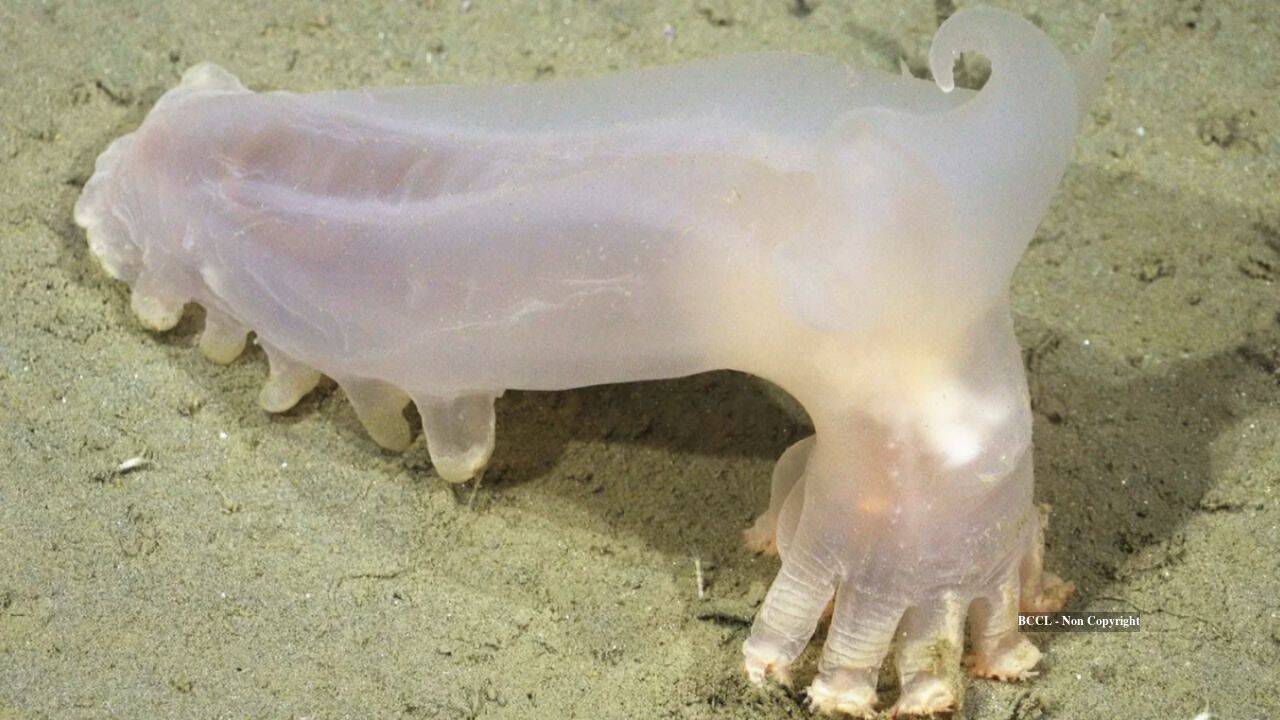
Down in the Mar del Plata Submarine Canyon, more than two miles beneath the surface, marine researchers used advanced robotic gear to map a cold, pitch-black ecosystem. The star of the haul is a translucent sea cucumber named "Loki" because of the odd, horn-like appendages sticking out of its head. It's weird, it's fascinating, and it proves that life thrives in places we barely understand.
What Actually Happened in the Mar del Plata Canyon
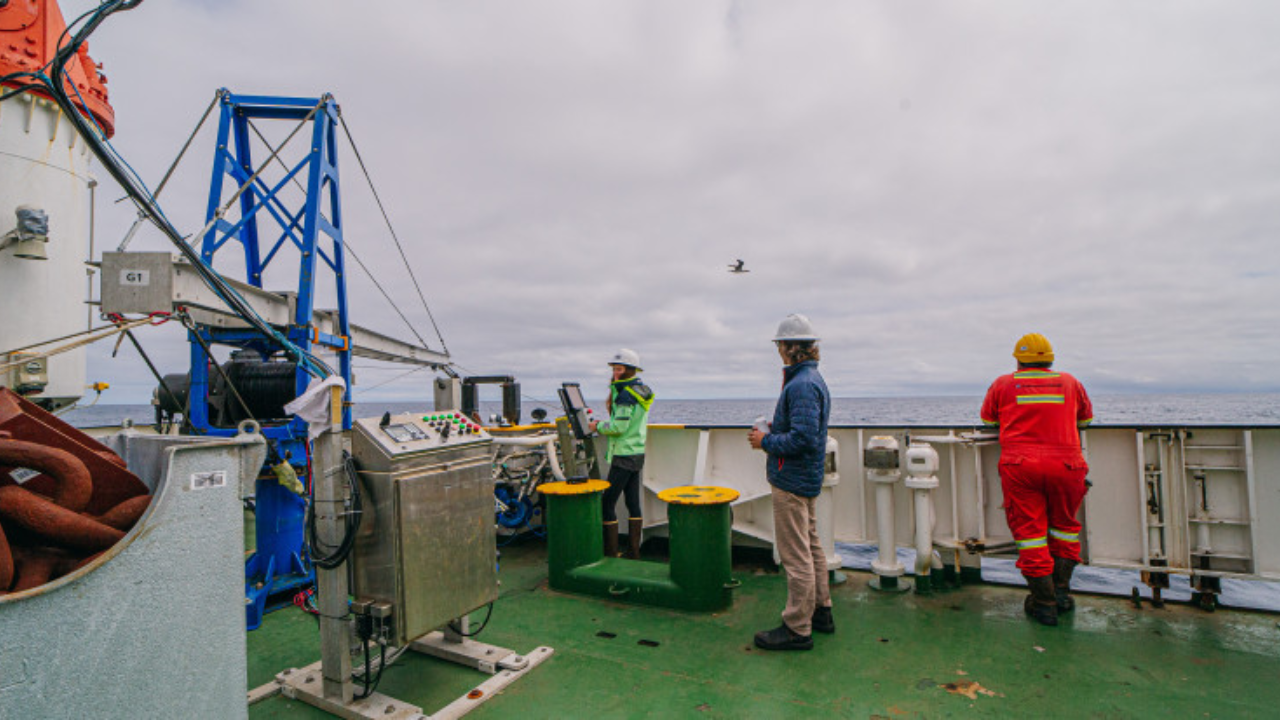
An international team of researchers teamed up with the Schmidt Ocean Institute to drag open-access taxonomy into the modern era. They didn't just collect samples and store them in dusty jars for a decade. They ran an intense species discovery workshop that let local early-career scientists and global experts classify organisms at a breakneck speed.
The results blew past expectations. They identified 57 species completely new to science, alongside five entirely new genera. This wasn't happening in a shallow tropical reef. This was happening in a high-pressure submarine canyon where the warm Brazil Current collides with the icy Falkland Current. That mixing zone creates a biological explosion of nutrients, feeding strange creatures that don't exist anywhere else on Earth.
Meet Loki and the Rest of the Underwater Oddities
Loki the sea cucumber—officially tagged as a Peniagone species—stole the spotlight at a depth of 2,577 meters. Its ghostly, translucent body and crown-like horns made it an instant icon of the expedition. But it's far from the only strange animal brought to light.
Researchers also hauled up 14 new species of deep-sea corals and sea pens, including a striking bright red-orange octocoral and a fleshy sea pen stretching nearly forty centimeters long. Perhaps most staggering are the copepods. Taxonomist teams looked at a mere ten percent of the copepod samples collected from the Argentina Deep Basin. Every single specimen they opened turned out to be an entirely undiscovered species, yielding twenty new names and a brand-new genus from a tiny fraction of the haul.
Why This Discovery Matters Right Now
People often ask why we spend money exploring the ocean floor when we have mapping satellites looking at Mars. The truth is simple. The deep sea is Earth's life support system. These benthic ecosystems regulate carbon, cycle nutrients, and host biological machinery we haven't even named yet.
When you find 57 new species in just one canyon during a short workshop, it tells you something humbling. We are destroying or altering marine environments through climate shifts and potential deep-sea mining before we even know what lives there. Open-access platforms like Ocean Census are trying to fix that bottleneck by letting researchers worldwide share genetic data instantly.
The ocean isn't empty space between continents. It's a living archive, and we've barely read the first page. Researchers are already planning follow-up expeditions to neighboring Argentine canyons for early 2027, expecting to find even more hidden biology. If Loki is any indication, the deep ocean still has plenty of surprises waiting in the dark.
57 New Species Were Hiding in an Ocean Canyon
This short video clip provides a quick visual summary of the surprising marine creatures discovered during the deep-sea expedition in Argentina's underwater canyon.