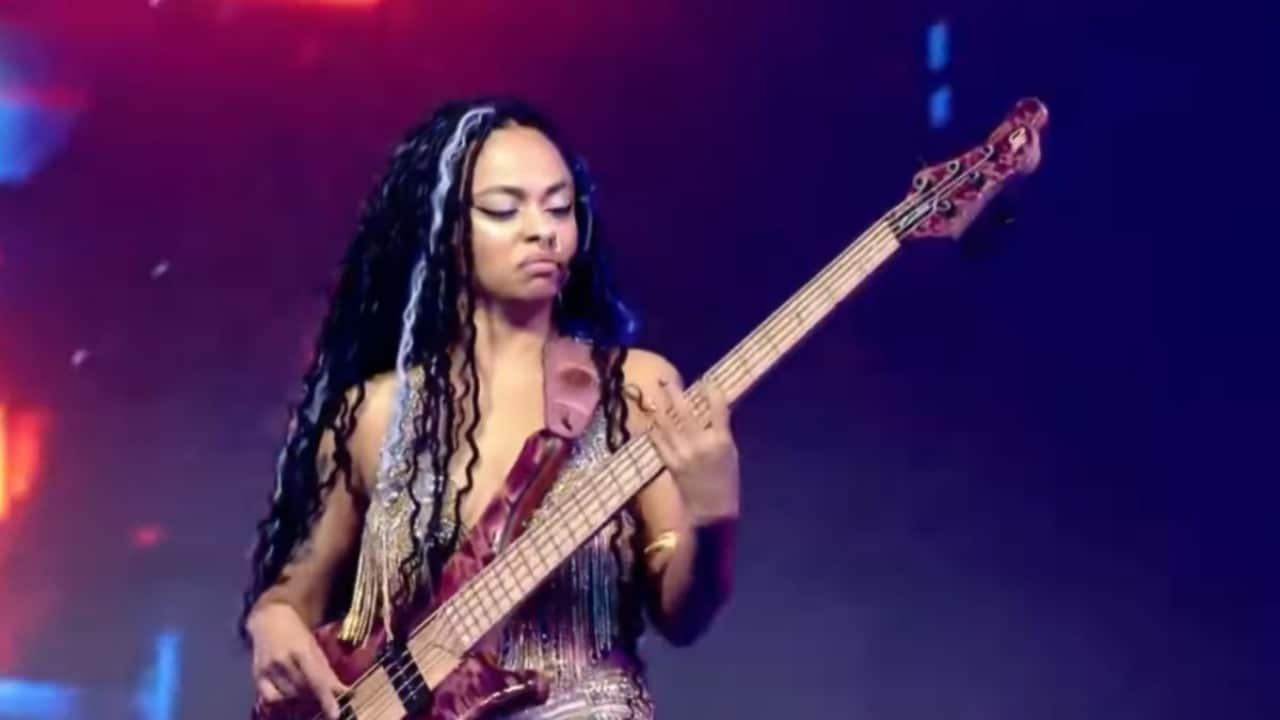
Every time a major literary prize announces a fresh batch of judges, the trade press prints the same press-release copy. A celebrated author here. A sharp broadcaster there. A neat biographical box noting heritage, background, and television credits.
Then everyone claps and pretends representation on a five-person panel fixes how books get read, bought, or argued over.
It doesn't.
When a headline announces that an Indian-origin author and broadcaster will judge the Women's Prize for Non-Fiction in the UK, the lazy consensus writes itself. Readers are told to expect "diverse perspectives," "broader representation," and "a fresh chapter" for women's writing. That framing sounds generous. It feels progressive. It is also mostly theater.
The real battle in non-fiction prizes has never been about who sits in the chair for six months. It is about structural gatekeeping, market incentives, and the quiet alignment between London publishing houses, legacy media broadcasters, and prize committees long before a single shortlist is debated.
What Competitors Miss About Judging Panels
Standard coverage treats a prize judge like a sovereign critic reading books in a vacuum with infinite time and zero institutional drag. Anyone who has spent time around book marketing, commissioning desks, or literary award cycles knows that is a fantasy.
First, representation is not ideology. Putting an author or broadcaster of Indian heritage on a judging panel does not automatically produce a radical reading list. Heritage shapes lived experience, sure. It does not guarantee a preference for experimental narrative structure over polished memoir, or investigative reporting over accessible lifestyle history. Treating identity as a predictable taste filter is lazy analysis that flattens real human judgment into a demographic spreadsheet.
Second, the submission funnel already did the heavy lifting. Prize judges do not read the entire universe of non-fiction published in English. They read what publishers submit under entry rules, eligibility windows, and imprint priorities. If a mid-list press lacks the budget to push a dense historical monograph or a sharp piece of economic reporting, or if an acquisition editor played it safe with celebrity-adjacent hooks, the panel starts with a curated menu.
Third, broadcasters bring a very specific lens. Television and radio professionals live by pace, clarity, vocal rhythm, and narrative hook. Those are real strengths when a book needs to reach a wider public outside academic seminar rooms. Yet that same training can reward smooth storytelling over messy, uncomfortable empirical rigor. A book that sounds great on a morning arts show is not always the book that rewires a field.
Imagine a scenario where a judging panel receives two hundred submissions in a single cycle. Each judge may have only a few months alongside full-time writing, teaching, or broadcasting duties. Even speed-readers with sharp instincts hit cognitive limits. Under time pressure, human beings rely on heuristics: familiar prose rhythms, recognizable authorial authority, and clear thematic arcs. That is basic cognitive psychology, not malice—and it shapes shortlists far more than press releases admit.
The Wrong Question Everyone Asks After a Judge Announcement
When an announcement like this drops, search queries and social feeds immediately ask: Will this make the shortlist more diverse? Will it boost sales for underrepresented writers? Does this mean more global stories will win?
Those are the wrong questions.
The right question is: What kind of non-fiction gets rewarded when cultural prestige and commercial visibility collide in the UK book market?
Why "Diverse" Often Means "Palatable"
In publishing and media circles, I have watched campaigns burn tens of thousands of pounds chasing prestige badges while ignoring how readers actually behave. A sticker on a cover helps—sometimes dramatically—for books that already sit close to mainstream taste. It rarely rescues a genuinely abrasive, specialist, or unconventional book on its own.
Prize committees operate under intense reputational scrutiny. Every shortlist is dissected for balance across genres, themes, backgrounds, and tone. That pressure often nudges panels toward consensus picks: books that feel timely, emotionally resonant, and defensible in an interview. A book that challenges the panel's own assumptions, or lacks a tidy moral arc, faces a steeper climb.
What People Also Ask (And Why the Premise Hurts Writers)
"Does a diverse judging panel guarantee a fairer winner?"
No. Fairness in non-fiction is a mirage because non-fiction has no single objective ruler. A biography, a science book, a political essay collection, and a personal memoir are not competing on the same axis. One judge values archival depth; another values prose heat; another looks for urgent public argument. A diverse panel widens the conversation in the room, which is healthy, but the final choice still reflects negotiation, compromise, and personal taste.
"Why do broadcasters get picked so often for literary prizes?"
Because prizes need oxygen. A literary award without media coverage is just an expensive dinner. Broadcasters know how to frame an argument for listeners and viewers, translate complex ideas without jargon, and keep public attention alive from longlist to winner announcement. Ignoring that practical reality makes critics sound naive. Treating PR value as literary depth makes them sound gullible.
"How can non-fiction authors actually stand out to a prize jury?"
Stop writing a "prize book" in your head. Editors and writers who chase award formulas usually end up with stiff, over-engineered prose that tries too hard to sound important. Focus on an obsession, original reporting or clear-eyed synthesis, and a voice that does not flinch. If the book has spine, the right reader will find it—with or without a trophy.
E-E-A-T Reality Check: Where Prize Hype Breaks Down
Let's be honest about experience and authority here. Having watched book launches succeed, stall, and misfire across years of industry observation, the gap between award-season buzz and lasting cultural impact is wide.
In literary culture, heavy hitters like Pierre Bourdieu analyzed how cultural consecration works—how institutions, critics, and prizes confer symbolic capital that shapes value far beyond raw sales numbers. Meanwhile, James F. English examined the entire economy of cultural prizes in The Economy of Prestige, showing how awards thrive on controversy, visibility, and institutional friction rather than pure aesthetic consensus. Those frameworks hold up remarkably well whenever a new judging lineup is unveiled.
Precision matters, too. Non-fiction is an umbrella term covering everything from rigorous narrative history and investigative journalism to self-help, memoir, and popular science. Conflating all of it under one prize banner already creates tension; expecting one judging appointment to solve every blind spot in non-fiction publishing asks one person to carry an entire industry's structural habits.
Now for the part most contrarian commentators skip: the downside of my own critique.
If you tear down the symbolic value of representation too hard, you risk sounding cynical about moments that genuinely matter to readers and writers who rarely see people from their background in positions of cultural authority. Representation on a judging panel does not fix publishing economics by itself, yet visibility still shapes aspiration, mentorship, and who feels welcome in the room. Dismissing it outright is just another form of laziness.
Actionable Moves for Writers, Editors, and Readers
If you care about sharp non-fiction rather than recycled award chatter, change how you play the game:
- Read past the shortlist. Treat any prize list as a starting menu, not a verdict. Look at the longlist, look at independent presses, and look at books that came out slightly outside the neatest seasonal slots.
- Audit your own reading diet. Check how much non-fiction you read from outside your country, class, or professional bubble. If your shelves look identical every year, no prize committee can fix that for you.
- For writers, build argument and clarity first. A strong thesis, crisp structure, and genuine reporting outlast trend-chasing every single time. Do not write for a panel; write for a reader who came in skeptical and stayed because you earned their trust.
- Watch the incentives behind the praise. Whenever a prize announcement promises transformation, ask who benefits immediately: the award organizers, the broadcasters, the publishers, or the readers. Follow the incentives and the real story appears.
Prizes do not discover truth. They curate taste under pressure. Watch the books that survive long after the applause dies down.