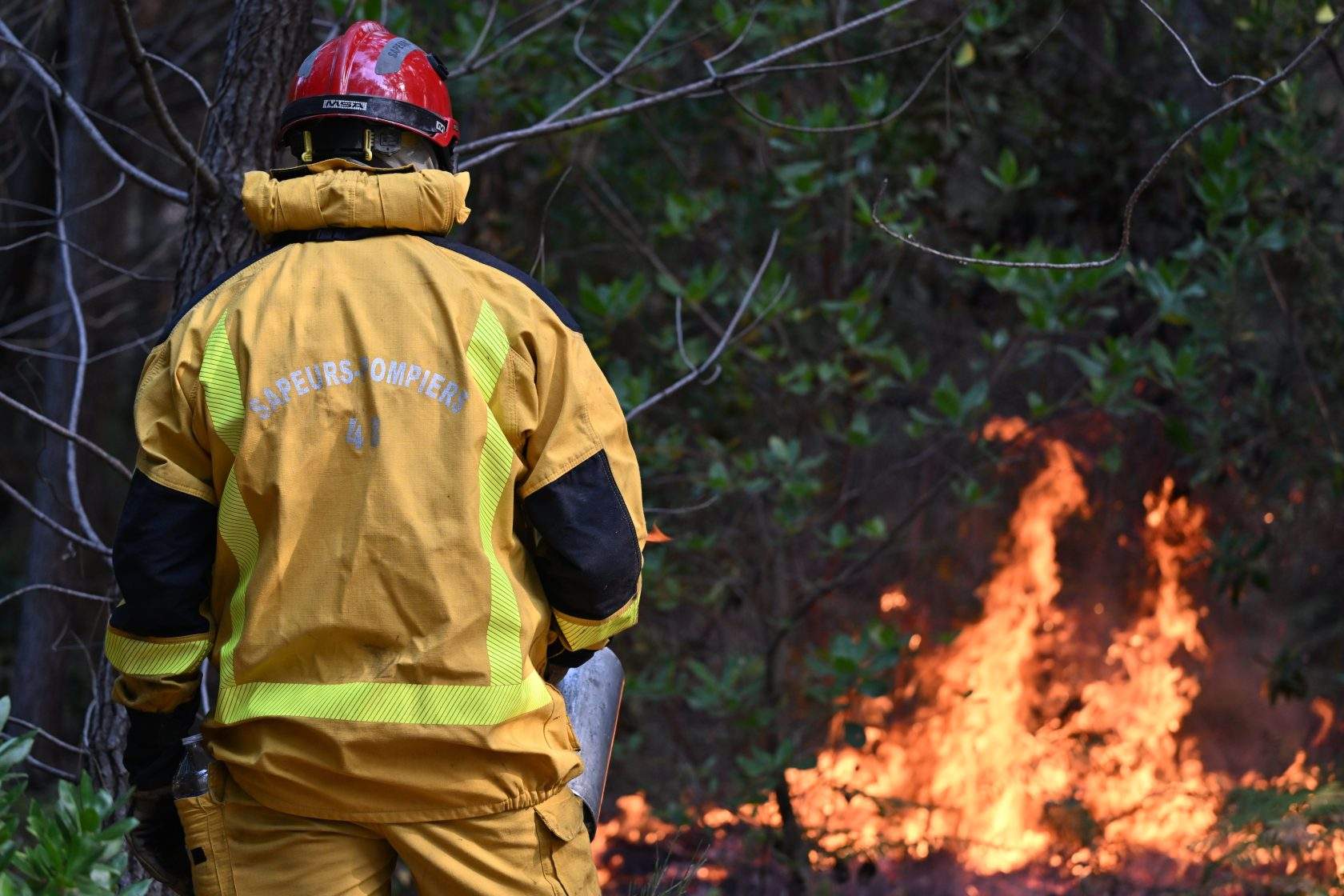
The headlines love a tidy narrative. France rolling out the red carpet to let eighty-four thousand wildfire evacuees march back into their rural hamlets feels like a victory lap for emergency services. The photos are heartwarming. People hugging their dogs. Old men checking their scorched garden fences. Local politicians shaking hands against a backdrop of charred pine needles.
It is also an operational and ecological catastrophe waiting for Act Two.
I have spent twenty years watching crisis management strategies from the inside, and I can tell you that the lazy consensus of European disaster reporting focuses entirely on the rescue while completely ignoring the brutal mechanics of the return. The media treats a wildfire like a house fire left on the stove. Turn it off, open the windows, and move back in.
Nature does not work that way.
The False Economy of the All-Clear
The moment the smoke clears and the containment lines hold, public pressure becomes unbearable. Mayors want commerce restored. Insurers want claims processed. Displaced citizens sleeping on gymnasium cots want their own beds. So the authorities look at a containment percentage, declare victory, and fling the gates wide open.
This is amateur hour.
A wildfire does not stop existing just because the active flames drop below a threshold. What is left behind is a destabilized landscape of silent hazards. Standing dead timber, known to forestry crews as snipers, can drop a two-ton branch without warning weeks after the fire has passed. The root systems of ancient pines have burned underground, leaving invisible subterranean cauldrons of ash and embers that can retain heat for months.
When you rush eighty-four thousand people back into that environment to appease the news cycle, you are trading a headline about evacuation for a headline about tragedy.
"Containment is not safety. Containment is merely the end of the offensive phase."
The Hydrological Time Bomb
Let us talk about what happens to the soil, because the journalists covering these evacuations routinely skip basic earth science. Intense wildfires vitrify the topsoil, turning organic matter into a water-repellent wax layer. When the autumn rains hit these newly repopulated zones, the water has nowhere to go.
Instead of soaking into the water table, it sheets off the hillsides in sudden, violent mudflows.
By pushing populations back into high-risk valleys before watershed stabilization measures are complete, we are setting up civilian infrastructure for flash floods. The French government's rush to empty the shelters in the south and southwest is driven by logistics and ledger books, not ecological reality. Every home reoccupied without a stabilized perimeter is a liability waiting for the next rain cloud.
Why Our Emergency Playbook Is Broken
If you look at the standard emergency management framework across Southern Europe, it is built for the climate of 1950, not 2026. Agencies operate on a binary model: evacuation during the threat, homecoming after the threat.
That binary is obsolete.
We are dealing with a permanent baseline shift in fire behavior. Mega-fires are not anomalies; they are the new normal. Treating them like seasonal anomalies means every evacuation and return cycle becomes a frantic, reactive scramble.
When we tell evacuees it is safe to return, we are relying on containment metrics that measure perimeter control, not local stability. A fire can be seventy percent contained while the remaining thirty percent sits directly above a residential corridor, smoldering in the duff layer.
The Real Cost of Premature Homecoming
- Infrastructure Strain: Water systems are often contaminated by ash and firefighting chemicals, yet residents turn on the taps the second they cross the threshold.
- Psychological Whiplash: Dragging families back into a zone of active hazard only to order a secondary evacuation forty-eight hours later destroys community trust in emergency alerts.
- Resource Diversion: Emergency personnel who should be monitoring hotspots and reinforcing firebreaks are suddenly pulled off duty to manage traffic jams of returning locals.
The Unspoken Truth About Insurance and Politics
Let us pull back the curtain on why this happens. It is about liability and balance sheets. Once an evacuation order is lifted, the financial burden shifts. The state stops paying for temporary housing, food vouchers, and emergency shelter operations.
By declaring the danger past, governments effectively transfer the risk back onto the individual homeowner. If your house burns down two weeks after you were officially told it was safe to return, the policy dynamics shift entirely compared to a loss incurred while under a mandatory evacuation order.
It is a bureaucratic shell game played with human lives.
Stop Asking When You Can Go Back
The most common question people ask during a crisis is: "When can we go home?"
It is the wrong question.
The question should be: "Is the ecosystem capable of sustaining human habitation without active intervention?" In most cases, following a severe crown fire, the answer is no for at least a full seasonal cycle.
We need to completely rethink how we manage post-fire zones. That means establishing mandatory buffer periods where re-entry is restricted strictly to remediation teams, engineers, and environmental scientists. It means keeping temporary housing funded long after the cameras have packed up and moved on to the next disaster.
It means admitting that sometimes, the hardest thing a government can do is tell its citizens that their home is temporarily uninhabitable, even if the flames have stopped.
Until we drop the political theater of the happy homecoming, we will keep burying the consequences of our own impatience.