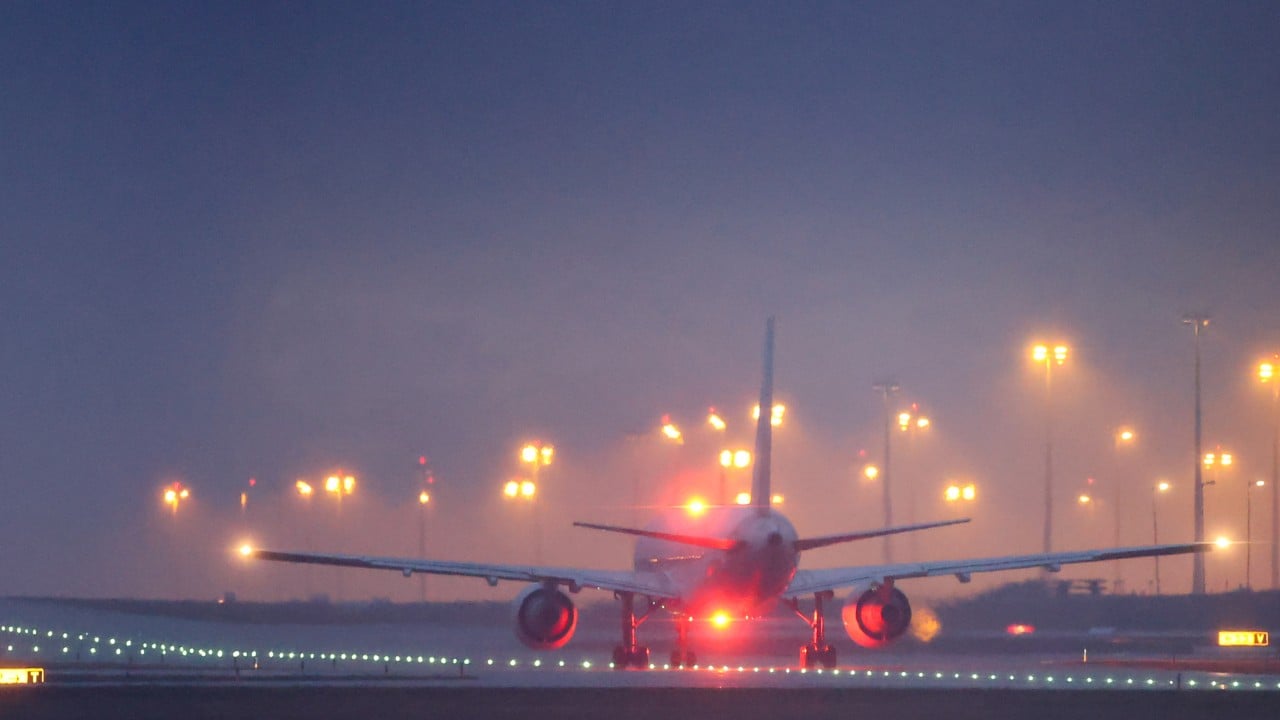
Midnight at Leipzig/Halle Airport rarely stays quiet for long, but Tuesday night crossed a line that European aviation authorities can't afford to ignore. A suspicious object discovered near the tarmac triggered an immediate lockdown, flight diversions, and the deployment of a bomb disposal robot.
If you think this is just another isolated aviation hiccup, look closer.
An unidentified flying object appeared near the airfield shortly before midnight, forcing incoming flights to scramble. At the exact same time, a drone carrying a suspected detonator was found sitting dangerously close to a Ukrainian cargo plane operated by Antonov Airlines. To make matters worse, a DHL cargo flight climbing away from the tarmac struck an unknown object mid-air, sustaining nose damage and forcing an emergency diversion to Hanover.
Operations are technically back to normal, but the anxiety isn't going anywhere.
The Target on Ukrainian Logistics
Context matters here. Leipzig/Halle isn't just any regional stop. It functions as a primary logistics artery, particularly for Ukrainian cargo operators like Antonov Airlines, which has used the facility extensively since the full-scale Russian invasion.
When a drone lands right next to a plane bearing Ukrainian colors and slogans, you stop calling it a coincidence.
German police and federal investigators are keeping details tight, but reports from outlets like Bild indicate the drone found on the ground contained a detonator. Whether it was a botched sabotage attempt or a dry run to test response times remains under investigation. Either way, the message was sent. Critical European transport hubs are fundamentally vulnerable to low-altitude intrusions.
Germany's Growing Drone Headache
You can't talk about this incident without looking at the bigger picture. Germany has spent months wrestling with mysterious drone sightings over sensitive infrastructure. Military training areas, energy terminals, and seaports have all dealt with unauthorized overflights.
Federal police have openly pointed fingers at potential foreign interference, noting that these flights match the playbook of state-backed reconnaissance or sabotage campaigns. Moscow has denied involvement, standard procedure for modern hybrid warfare, but the threat is tangible.
Commercial pilots are logging sightings that defense systems struggle to intercept in real-time. Drones are cheap, commercially available, and notoriously difficult to track on standard air traffic radar when hovering low near airport perimeters.
What Happens Next for Passengers and Cargo
If you're flying through Europe soon, expect tighter security postures, even if they happen behind the scenes. Airports can't afford to shut down southern runways every time a plastic quadcopter pops up on a radar screen, but safety protocols demand absolute caution. Bomb disposal units rolling onto active tarmacs shouldn't become routine, yet security agencies are preparing for a long summer of heightened threats.
Check your flight statuses before heading to the terminal. Expect more thorough vetting of cargo logistics, and don't be surprised if European lawmakers fast-track tougher anti-drone defense contracting around major civil-military hubs. The sky above Europe's busiest logistics centers is no longer a friendly space.