Cold.
It isn't just a weather report in November along the Dnieper; it is a physical weight that presses against your chest the moment you step outside a heated room, a reminder of everything that can go wrong when radiators cool and alliances shiver.
I have stood on cold platforms before—not in Ukraine, though I have sat with people who carry that winter inside their bones—watching train doors hiss shut while conversations about their futures took place behind closed doors thousands of miles away. Diplomacy often looks like neat paragraphs on a screen. On the ground, it smells like diesel exhaust, wet wool, and burnt coffee in a paper cup that goes lukewarm in three minutes.
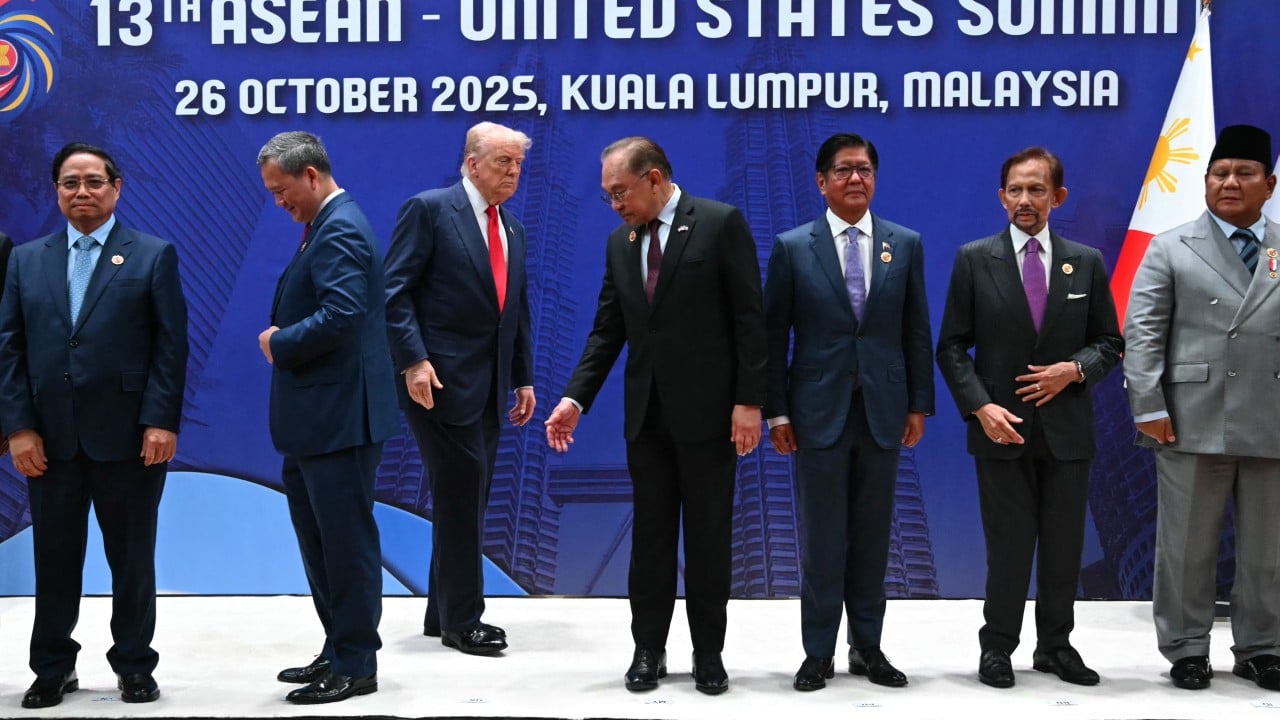
When headlines warn that a backchannel understanding between Washington and Moscow alongside a sharp friction between Donald Trump and Volodymyr Zelensky could leave Ukraine standing alone in the frost, it is easy to treat the story like a chess match played by giants. Pawns move. Knights jump. Grandmasters nod across a table.
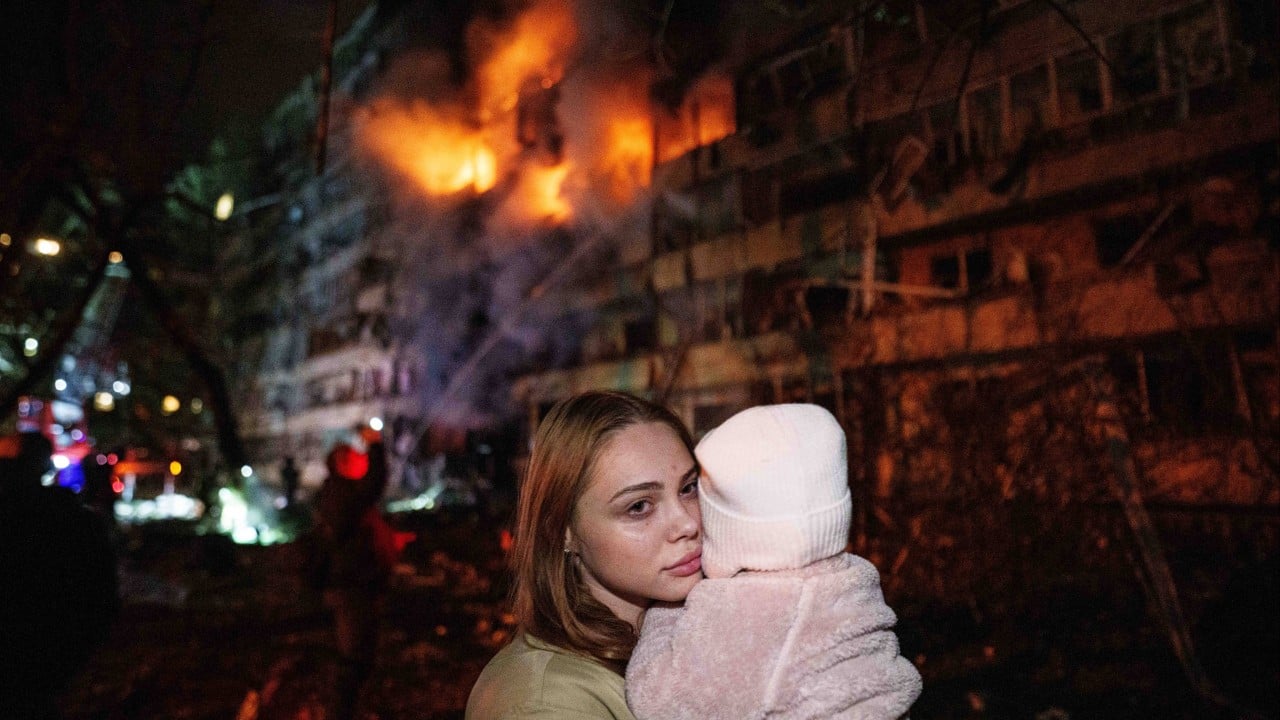
Except pawns have names. They have grandmothers who refuse to leave apartments on the ninth floor when the elevator stops working. They have twelve-year-olds doing math homework by the pale glow of a rechargeable lantern while air-raid sirens wail three blocks over.
To understand what is truly at stake when big powers talk over a smaller nation's head, we have to stop looking at maps drawn in colored ink and start looking at what happens inside a single room when the heat goes off.
The Room Where Futures Are Traded
Diplomacy between superpowers has a long, complicated history, and it rarely begins with flowers. Historically, great powers have often sought stability or spheres of influence through bilateral negotiations—deals struck between capitals that hold decisive military or economic leverage. When a sitting or incoming American president signals openness to negotiating directly with Moscow, and when relations with Kyiv turn prickly or combative, anxiety ripples outward fast.
Let me offer a hypothetical scenario—clearly marked as fiction, though drawn from patterns observers have watched unfold across modern geopolitics—to show how distance changes the math.
Imagine a diplomatic briefing room in a quiet European capital. Two men sit across from each other, or perhaps they speak by phone while aides type furiously on tablets. One leader speaks the language of transaction: costs, timelines, domestic fatigue, a desire to close an expensive ledger before winter bites harder at home. The other leader speaks the language of survival: sovereignty, borders paid for in blood, security guarantees that cannot be torn up when a political wind shifts.
When friction flares between Trump and Zelensky, the tension isn't merely personal or stylistic. It exposes a fault line in how the war itself is framed. Is this a costly stalemate that must be wrapped up quickly through hard bargaining with Russia? Or is it an existential struggle where concessions made without Ukraine's full consent invite future aggression?
If Washington and Moscow strike a deal—or even move toward a framework—that sidelines Kyiv's core red lines, Ukraine doesn't simply lose a diplomatic argument. It faces a brutal shift in leverage. Weapons shipments can slow. Intelligence sharing can hesitate. Air-defense interceptors, those precious lifelines that turn incoming missiles into harmless scrap metal over city blocks, become bargaining chips rather than guaranteed shields.
I will admit something candidly: tracking geopolitics at this scale can feel dizzying, even disorienting. One day brings vows of steadfast backing; the next brings rumors of backroom compromises and sharp public rebukes. If you feel a knot of confusion or unease trying to sort signal from noise, you aren't alone. Power politics is deliberately opaque until the consequences land on real people.
What Cold Means When You Have No Leverage
To grasp why "out in the cold" is more than a figure of speech, picture another hypothetical character—again, a composite invention meant to ground abstract strategy in human reality.
Call her Olena. In this hypothetical scenario, she is thirty-eight, a civil engineer in Kharkiv who spent two winters patching damaged water mains and helping neighbors board up blown-out windows. Her phone has three messaging apps, two battery banks, and a cracked screen protector. Every morning at six, she checks two things before her feet hit the linoleum: the power grid schedule and the news from Washington and Brussels.
For Olena, a U.S.-Russia deal isn't an abstract policy paper. It is a question of whether the generator in her courtyard will have fuel in January. It is a question of whether Russian forces will feel emboldened to press harder along the front if they sense American resolve fracturing.
Think of it like this—a metaphor, and I'll label it plainly as one. Imagine two neighbors arguing over a shared driveway while a third neighbor—the one with the biggest snowplow and the heaviest chains—decides to cut a side deal with the person who blocked the gate in the first place. The person trapped inside doesn't just lose convenience; they lose the ability to get to the hospital if someone falls ill.
That is the quiet danger of sidelining a country in the middle of a war. When great powers negotiate over territory, security arrangements, or ceasefires without full alignment with the nation being invaded, the invaded country is pushed from co-author of its fate toward spectator.
Even the threat of being left out changes behavior. Allies start hedging. European capitals, already strained by energy costs and domestic politics, begin asking how much weight they can carry if American leadership pivots or clashes openly with Kyiv. Hesitation is contagious. In wartime, hesitation buys time for the side with more artillery and deeper reserves.
Friction at the Top, Fallout at the Edge
Public clashes between leaders like Trump and Zelensky draw cameras and headlines because personality makes great theater. Two strong wills colliding in front of the world feels dramatic, immediate, and easy to clip into twenty-second broadcasts.
Yet theater often hides the quieter machinery underneath.
When a relationship between a superpower and a besieged partner grows strained, trust erodes in increments. A delayed call. A sharper tone in an interview. A suggestion that Kyiv should compromise on land or neutrality to bring fighting to a halt. Each moment signals to Moscow that pressure—military, political, psychological—might eventually yield results that battlefield attrition alone hasn't secured.
Consider what happens next if Russia believes time and diplomacy are tilting its way:
- Negotiating positions harden. Why offer meaningful concessions today if waiting a few months might bring a more favorable arrangement through direct talks with Washington?
- Domestic morale takes a hit. Soldiers holding trenches in freezing mud need to believe the sacrifices at home and at the front lead toward genuine security, not a brittle pause that leaves their children exposed a few years down the road.
- Regional anxiety spreads. Countries along NATO's eastern flank watch closely. If a major security crisis is resolved—or frozen—over the head of the country directly affected, smaller states everywhere learn a harsh lesson about guarantees.
I have seen how quickly cynicism sets in when people feel used as leverage. It starts as anger, hardens into exhaustion, and ends in a quiet, hollow resignation: They will do whatever suits them, and we will pay the bill.
That emotional toll rarely shows up in policy briefs. Still, it shapes everything. A nation's resilience isn't infinite; it runs on hope, solidarity, and the belief that courage counts for something in the end.
The Invisible Stakes Behind Every Headline
History has a way of recycling warnings that people ignored when they seemed inconvenient. In the twentieth century, agreements struck by major powers over the heads of smaller nations rarely produced lasting peace; more often, they postponed a harder reckoning while teaching aggressors that bold moves eventually get rewarded at the negotiating table.
That doesn't mean every diplomatic effort is doomed or that ending bloodshed lacks moral weight. Ending a war is a noble goal in theory. Nobody who cares about human life wants endless trenches, ruined cities, or grieving families.
The real dispute isn't over whether peace is desirable. It is over what kind of peace emerges—and who pays for it.
A hasty settlement that rewards territorial seizure or leaves Ukraine without credible, enforceable protection isn't a finished chapter. It is an intermission. Worse, if a deal between Washington and Moscow sidelines Kyiv while friction between Trump and Zelensky remains raw, Ukraine could find itself squeezed from two directions at once: pressed to accept painful terms to appease external powers, while lacking the ironclad backing needed to deter renewed attack.
Let's be honest about the uncertainty here. Nobody outside the innermost circles knows the exact contours of any potential talks, nor how events will shift next week or next month. Politics is fluid. Alliances bend, fracture, and sometimes repair themselves under sudden pressure.
Still, recognizing the risk early matters. You don't wait until the roof caves in to notice the rafters are rotting.
Standing in the Wind
Back in our hypothetical Kharkiv courtyard, the wind picks up around dusk, carrying the sharp tang of woodsmoke and damp earth. Olena pulls her coat collar higher, zips it to her chin, and walks toward the building entrance. Above her, a single bulb flickers on the landing, dim and amber, stubbornly refusing to go dark.
Out in the cold.
That is where a country stands when powerful voices decide its future without giving it a firm hand on the wheel—a chill that reaches far past borders and briefings, all the way down to the people trying to survive the night.