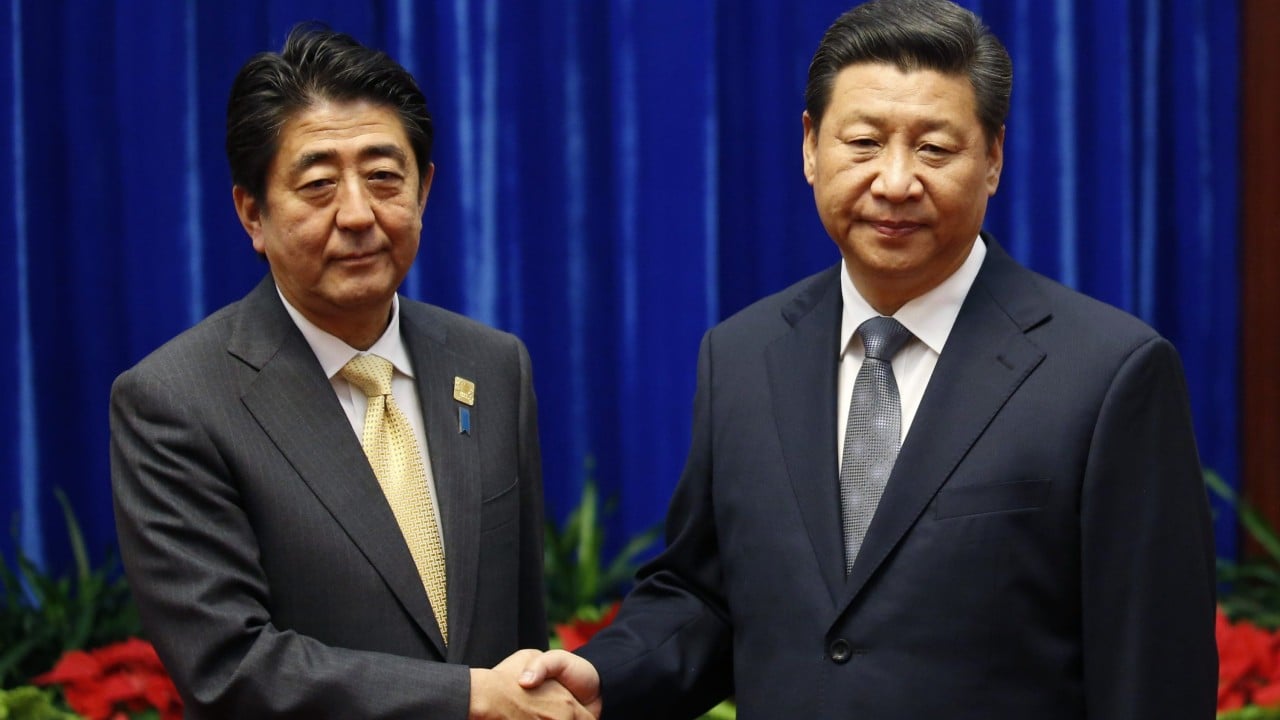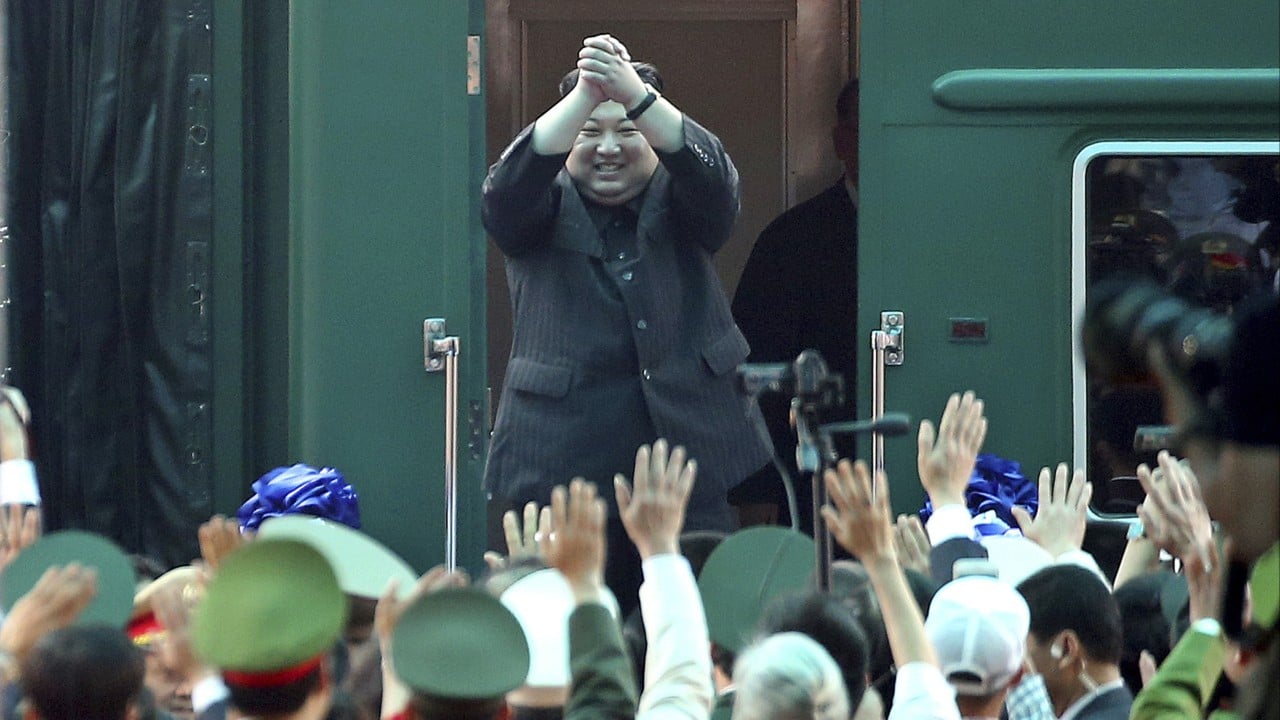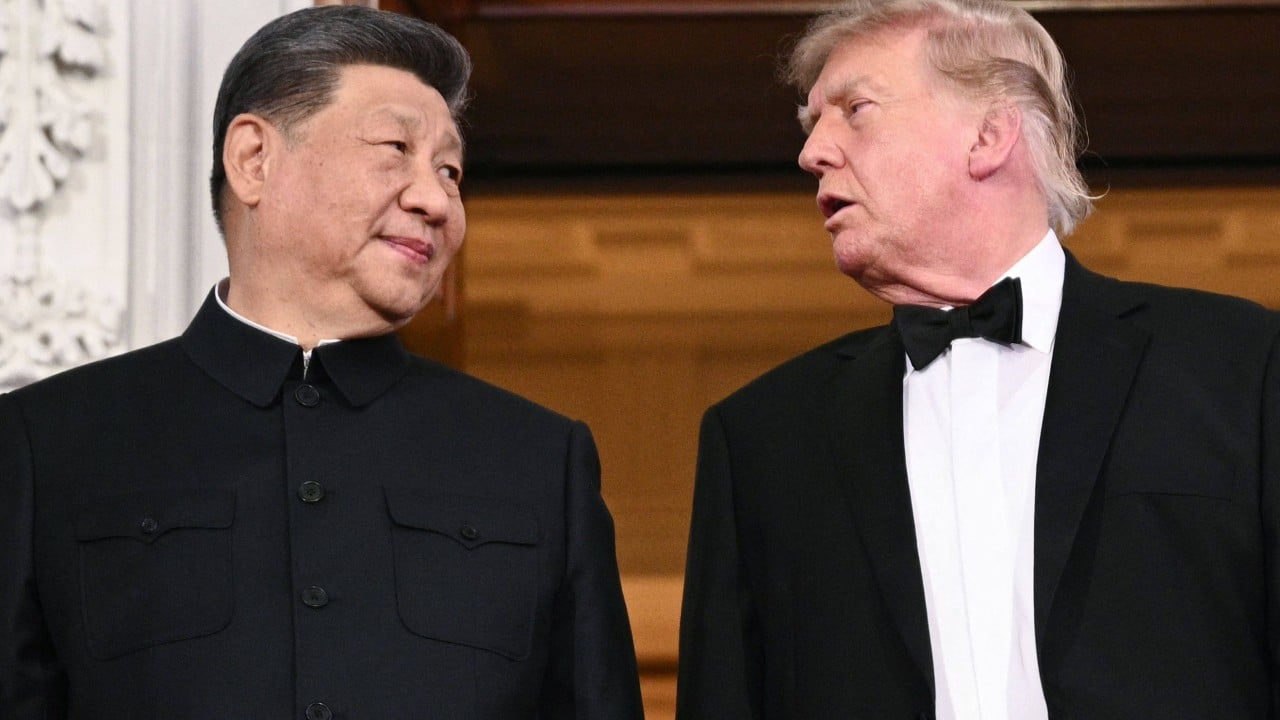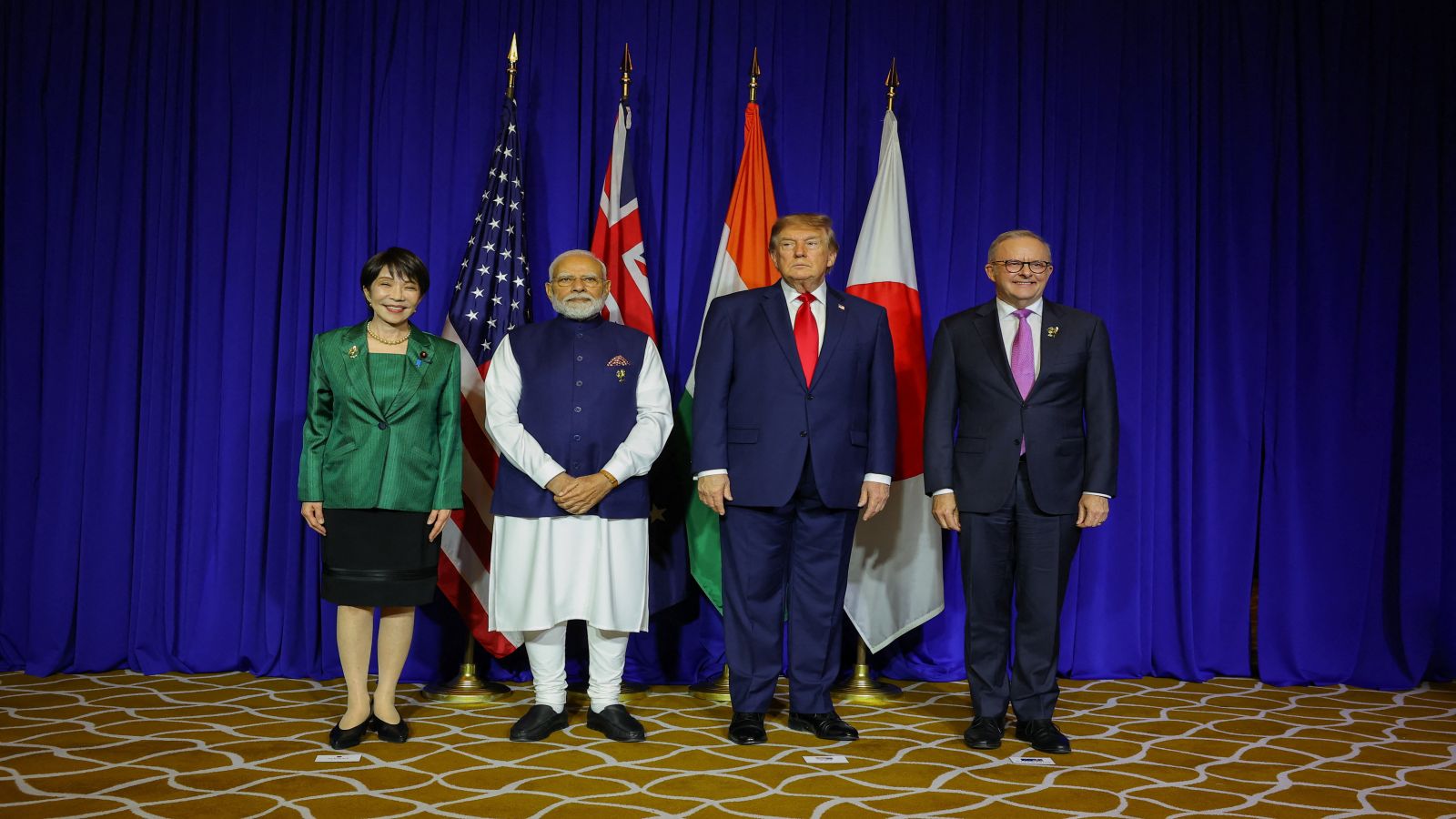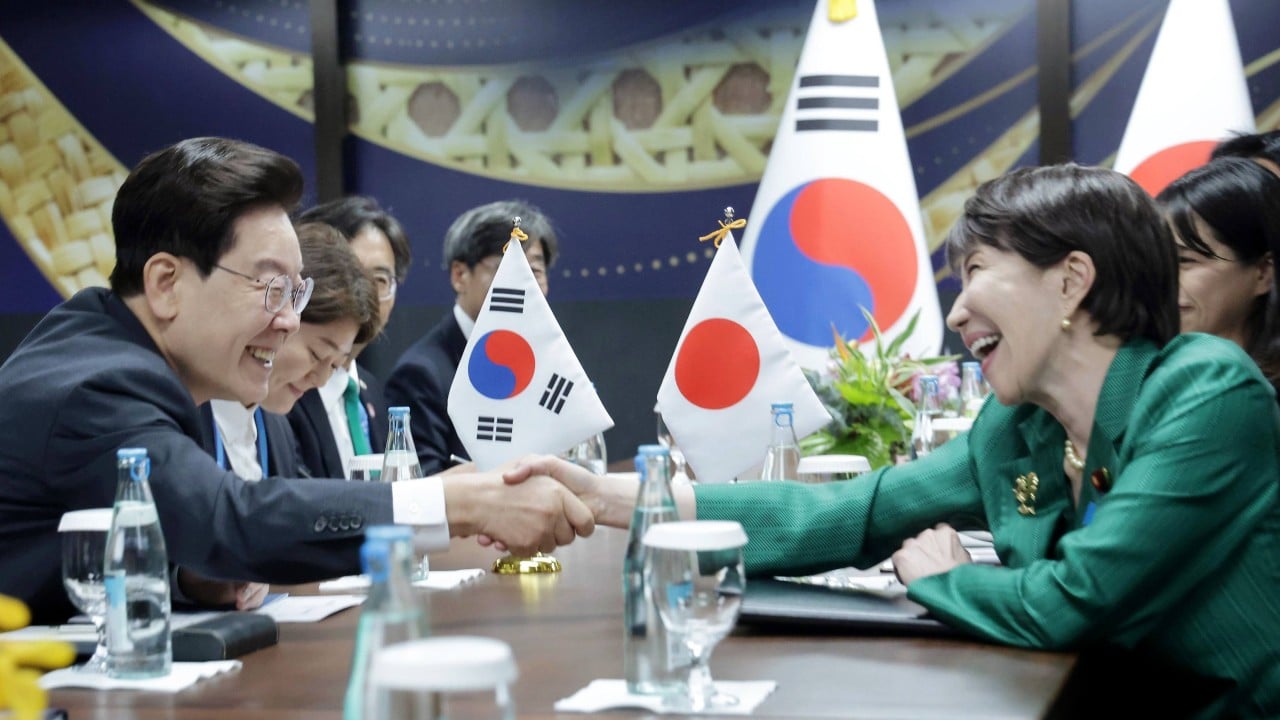
Shuttle diplomacy between Seoul and Tokyo isn't just about friendly handshakes over tea anymore. When South Korean President Lee Jae Myung accepted Japanese Prime Minister Sanae Takaichi’s invitation for high-level bilateral talks in Japan, it marked a turning point in East Asian geopolitics. High-stakes bilateral summits between these two economic powerhouses used to be rare events bogged down by historical grievances, but today they're fast becoming standard operational protocol.
If you think this trip is routine statecraft, you're missing the bigger picture.
The relationship between South Korea and Japan has been messy for decades. Deep-seated historical disputes, trade friction, and domestic political pressure have repeatedly stalled progress. Yet, recent meetings—including their mid-November summit on the sidelines of the ASEAN gathering in Manila—show a joint drive to lock in reciprocal visits. The upcoming trip builds directly on a pattern set when President Lee visited Nara in western Japan, followed by PM Takaichi’s reciprocal trip to Lee’s hometown of Andong in North Gyeongsang Province.
Understanding why this visit matters right now requires looking past the formal press releases.
Supply Chains and Economic Resilience Are Driving the Agenda
Diplomats like to talk about shared values, but economic reality drives decisions. Both South Korea and Japan face escalating global trade uncertainty, severe energy market volatility, and growing pressure around critical technology sectors.
They don't have the luxury of endless bickering over past disputes while global markets shift beneath them.
During their November discussions, Lee and Takaichi zeroed in on securing supply chains for semiconductors, critical minerals, and clean energy tech. South Korea excels at manufacturing and semiconductor hardware, while Japan maintains essential market control over advanced industrial materials and specialized production equipment.
When these two supply chains sync up, both nations insulate themselves against external trade shocks. When they don't, both remain vulnerable. It’s that simple.
Instead of treating economic policy as separate from foreign policy, both capitals now view commercial stability as a core leg of national defense.
Deterrence and Regional Security Realities
The Indo-Pacific security climate is getting harsher by the month. Between North Korea’s continuous missile testing and growing broader regional tensions, neither Seoul nor Tokyo can afford gaps in communication.
For years, Washington pushed both allies to cooperate more closely. Domestic resistance in both countries frequently derailed those efforts. Today, however, regional realities are forcing a practical alignment.
Trilateral security coordination involving the United States, Japan, and South Korea hinges entirely on direct dialogue between Seoul and Tokyo. President Lee’s diplomatic engagement in Japan reflects a clear strategic calculation: maintaining stability requires real-time intelligence sharing, coordinated regional defense, and predictable communication channels.
Grassroots Goodwill Is Quietly Changing the Rules
Political leaders can sign agreements all day, but true diplomatic momentum requires domestic buy-in. Historically, public anti-neighbor sentiment in both nations gave politicians cover to walk away from deals.
That dynamic is reversing.
Recent public opinion data reveals that mutual favorable sentiment between citizens in South Korea and Japan has hit record highs. Two-way tourism is booming. Cross-border business travel is thriving, and younger generations are engaging through pop culture, digital platforms, and direct travel rather than historical friction.
This shifting public mood gives leadership in both capitals the political room to pursue durable, long-term cooperation. When citizens view each other as partners rather than adversaries, politicians can focus on shared economic growth rather than short-term nationalistic points.
What to Watch During the Summit
Keep your eyes on three specific deliverables as the summit approaches:
- Formalized Supply Chain Agreements: Watch for binding commitments on critical minerals, semiconductor material access, and energy security protocols.
- Trilateral Defense Frameworks: Look for explicit updates on joint security initiatives alongside the United States.
- Institutionalizing Shuttle Diplomacy: Pay attention to whether both leaders commit to a permanent calendar of biannual, informal meetings to prevent future diplomatic breaks.
To stay ahead of these geopolitical developments, track official press releases from the South Korean Presidential Office (President.go.kr) and Japan’s Ministry of Foreign Affairs (Mofa.go.jp) ahead of the scheduled diplomatic exchange. Monitoring real-time economic indicators around Asian tech supply chains will give you an early look at how global markets price in this expanding bilateral alignment.