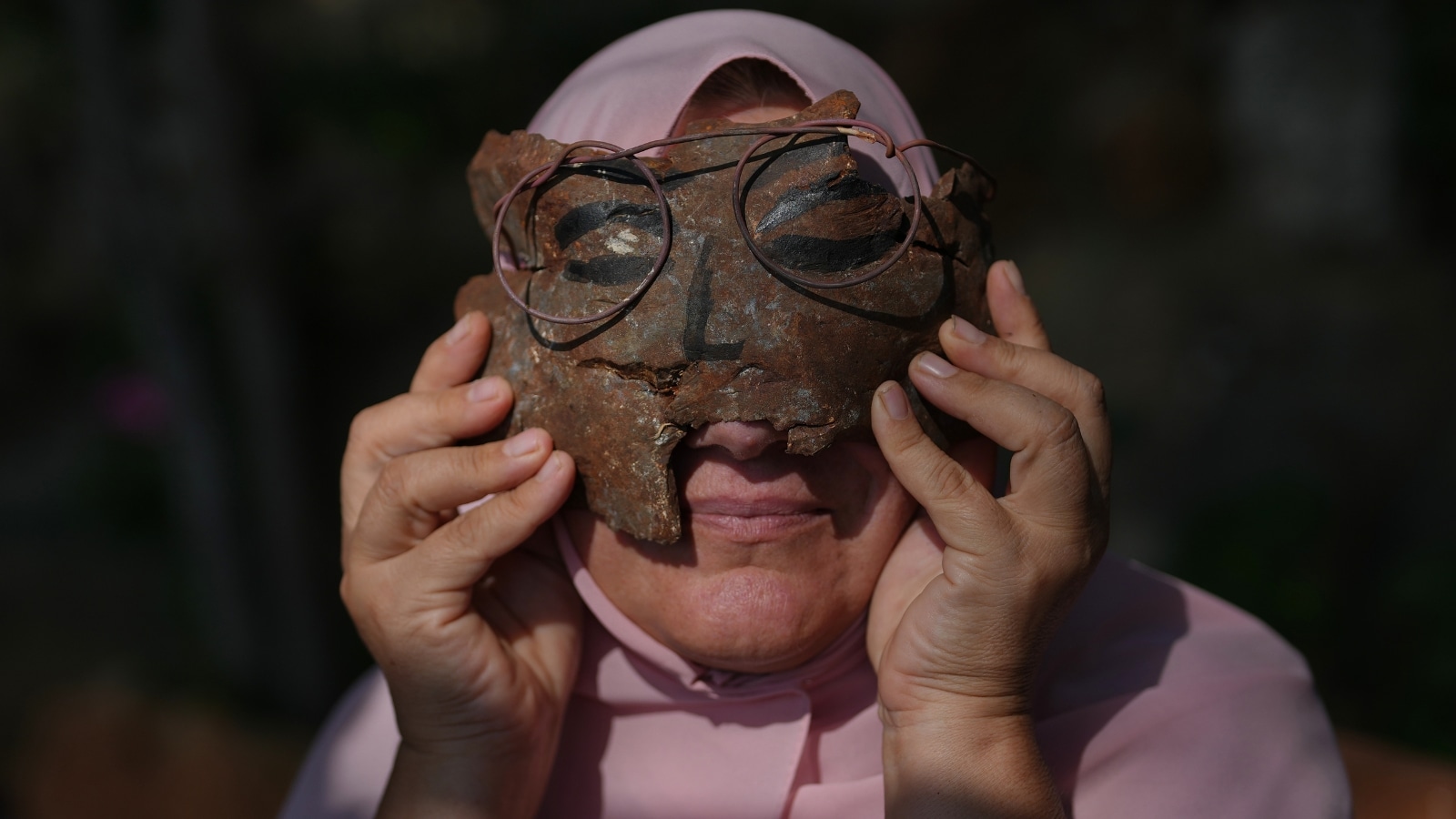
Most people see jagged steel from an exploded shell and feel pure dread. A Lebanese sculptor looked at those exact fragments, picked them up off the ground, and decided to weld them into art just to spite the destruction.
It's a visceral reaction. When war leaves twisted metal scattered across your neighborhood, leaving it there feels like letting the violence win. Turning munition fragments into sculptures flips the script entirely, transforming tools meant to erase life into permanent markers of survival.
Why Artists Turn War Debris Into Art
This isn't a new impulse, though it hits differently when the dust hasn't even settled. Across conflict zones from Beirut to Kyiv, sculptors have long scavenged battlefield scrap because standard art supplies either vanish during a crisis or simply feel inadequate for what's happening outside the studio window.
Bronze and marble are expensive. Twisted casing steel is free, abundant, and carries an emotional weight you can't fake with fresh foundry metal.
There's also a practical reality behind working with shrapnel. Munition fragments are forged from high-carbon alloys engineered to shatter under extreme pressure, which makes them notoriously difficult to bend, cut, or weld. Unlike mild steel, which behaves predictably under a torch, bomb fragments have unpredictable stress fractures and jagged, heat-warped edges. An artist working with this material has to fight the metal every step of the way.
The Psychology of Spite as a Creative Engine
Western art criticism loves sanitized words like catharsis or healing. Honestly, those terms often miss the point when an artist is standing in the middle of ongoing conflict.
Creating art "just to spite" the weapon isn't about pretending everything is fine. It's an act of stubborn refusal. When a projectile is designed to destroy a building or a life, forcing that exact piece of metal to hold the shape of a bird, a human figure, or an abstract monument denies the weapon its final purpose.
What Most People Get Wrong About Conflict Art
If you've never spent time around sculptors working in active or post-conflict regions, it's easy to romanticize the process. People picture an artist calmly picking up a clean piece of metal and effortlessly welding it into a peace dove. The reality is messy, dangerous, and deeply complicated.
First, there's the physical hazard. Unexploded ordnance and toxic residues—like heavy metals, propellant chemicals, and depleted materials—regularly contaminate debris fields. Experienced metal artists working in conflict zones have to be hyper-vigilant about what they pick up. You don't just grab a shiny cylinder out of the rubble without knowing what it is.
Second, critics often misread the intent. Outside observers frequently assume any sculpture made from shells or shrapnel is a neat, tidy message about universal peace. Sometimes it is. Other times, it's raw anger, dark humor, or a blunt refusal to be intimidated.
How Scavenged Munitions Change the Sculpting Process
Working with war scrap forces a completely different workflow than traditional studio fabrication. You don't start with a sketch and buy the metal to match. You start with whatever the blast left behind.
- Sorting and cleaning: Fragments are thick with soot, concrete dust, and oxidized coatings that ruin standard welds if they aren't ground down first.
- Reading the fractures: Munition steel tears along specific stress lines during detonation. Good metalworkers use those jagged edges as expressive lines rather than trying to grind them smooth.
- Cold-working vs. heating: Applying an oxy-acetylene torch to unknown alloys can release toxic fumes or cause brittle metal to crack further, meaning artists rely heavily on mechanical fastening and careful arc welding.
The resulting textures are impossible to replicate in a peaceful workshop. No machine press can mimic the violent, asymmetric curl of steel ripped apart by high explosives.
Lebanon's Long History With Conflict Scrap Art
Lebanon isn't new to this medium. During and after the Lebanese Civil War (1975–1990), Beirut became an epicenter for artists repurposing shells, bullet casings, and ruined building materials.
The most famous example sits in Yarze, just outside Beirut: Armand Fernandez's Hope for Peace monument, unveiled in 1995. The towering concrete structure embeds dozens of actual tanks, artillery pieces, and military vehicles, turning instruments of the civil war into a massive, immovable block.
In the decades since, independent Lebanese sculptors and metalworkers have continued working on a much more intimate scale. Instead of state-commissioned monuments, local artists in southern Lebanon and Beirut have repeatedly turned to smaller debris—artillery fragments, spent casings, and shattered structural iron—to document what their communities endure in real time.
The Thin Line Between Documentation and Spectacle
Turning shrapnel into art raises an uncomfortable question that artists themselves constantly debate: when does transforming a weapon honor the survivors, and when does it accidentally beautify violence?
Museum curators and international buyers love dramatic backstories. A sculpture welded from actual war debris sells fast in European or American galleries because collectors feel like they're buying a piece of history. That market demand creates real tension for local artists.
If you're living through the aftermath of airstrikes, making art out of the debris is survival and expression. Once those pieces enter the international art market, they risk becoming exotic conversation pieces for wealthy buyers thousands of miles away. The artists who navigate this best keep their work rooted in local memory—exhibiting locally first, refusing to sanitize the ugliness of the metal, and letting the jagged edges speak without wrapping them in neat, marketable slogans.
How to Support and Engage With Artists in Conflict Zones
If stories about Lebanese artists turning shrapnel into sculptures resonate with you, don't just scroll past after feeling inspired for ten seconds.
- Look up local Lebanese art spaces and collectives. Organizations like Ashkal Alwan and the Sursock Museum in Beirut regularly document, fund, and exhibit Lebanese artists working through crisis and conflict.
- Buy directly or support emergency artist funds. Organizations like Mophradat and Culture Resource (Al-Mawred Al-Thaqafy) provide direct grants to artists across the Arab world when war disrupts their livelihoods and studios.
- Pay attention to context before sharing. When you share images of war-scrap sculptures online, credit the specific artist and location rather than reducing their work to a generic, nameless viral post.
Art made from shrapnel exists because someone refused to let destruction have the last word—treat the work with the same seriousness it took to weld it together.