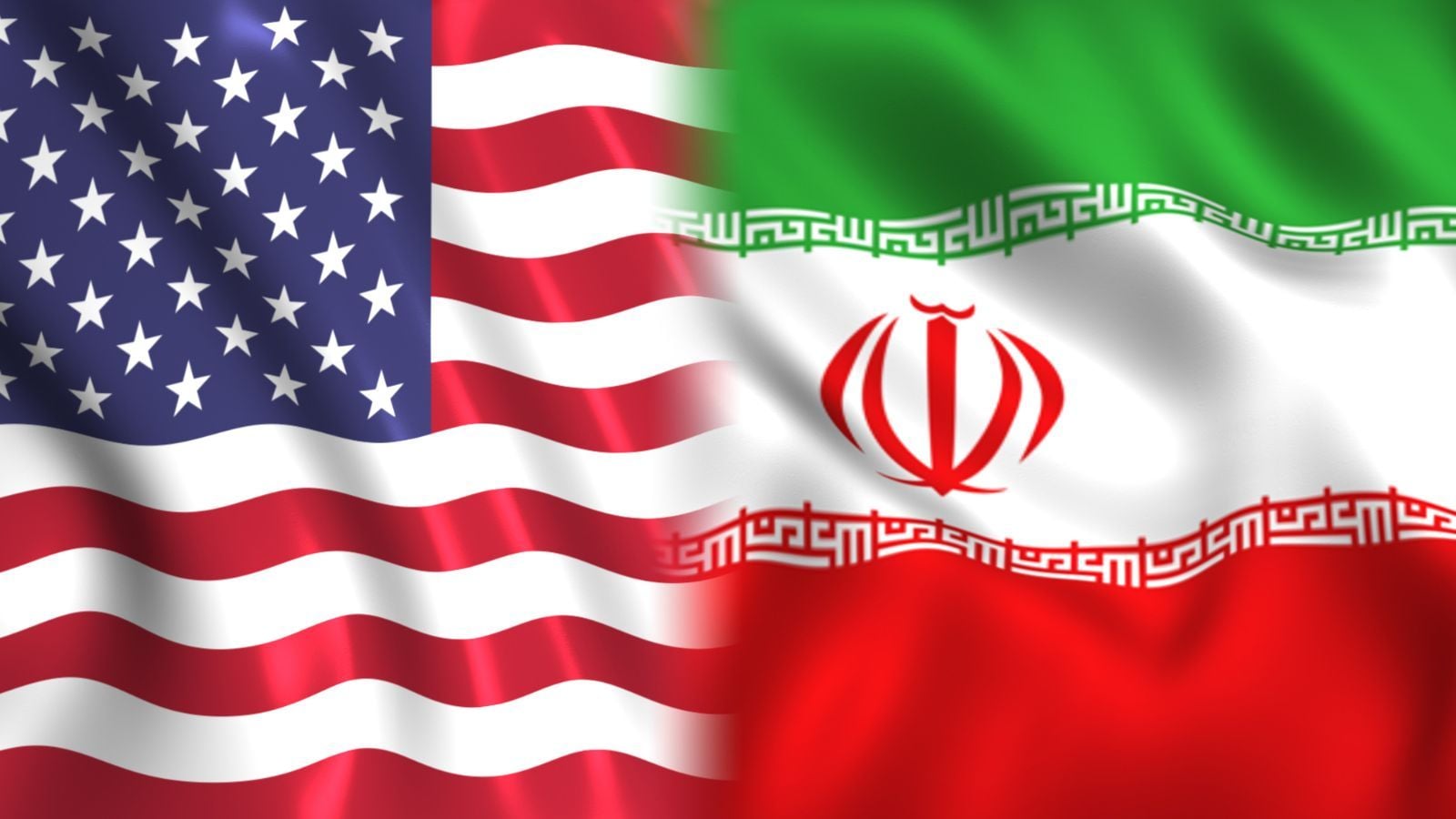
The security situation across West Asia is deteriorating faster than most people realize. If you're currently living, working, or traveling anywhere near the region, ignoring the latest directives from Washington is a massive mistake. Embassies are issuing urgent warnings. Regional airspace is facing sudden restrictions. Tensions between the United States, Iran, and aligned militant groups have reached a boiling point that defies casual optimism.
Most mainstream coverage treats these warnings as standard bureaucratic boilerplate. They aren't. When diplomatic missions tell citizens to pack their bags or prepare for sudden communication blackouts, you need to listen. This isn't about political posturing anymore. It's about active theater logistics and the very real possibility of rapid, uncontrolled escalation.
What Triggers a Level Four Warning
Understanding why the State Department acts requires looking past the headlines. Advisory levels don't jump overnight without hard intelligence backing them up. Recent updates point directly to intensified threats from regional proxies, particularly Houthi actions targeting maritime corridors and persistent plots against diplomatic personnel.
When you look at the ground reality, the mechanics of modern conflict move at lightning speed. Cyber disruptions, sudden GPS jamming across the Persian Gulf, and unpredictable flight cancellations mean your routine exit strategy can vanish in hours. People often assume commercial aviation will remain open right up until an official evacuation order is signed. That assumption gets travelers stranded. Commercial carriers pull out long before governments step in with chartered flights. If you wait for a military-led rescue, you've waited far too long.
The Ripple Effects on Global Logistics
An escalating conflict doesn't stay neatly contained within national borders. The Strait of Hormuz remains a choke point that dictates global energy prices and supply chain sanity. When military friction spikes in this corridor, shipping insurance rates skyrocket instantly. Tankers alter routes. Ports face sudden security freezes.
You feel these shocks thousands of miles away at the fuel pump, but for expats on the ground, the impact is immediate and physical. Basic goods face supply pinches. Local currency fluctuations spike. Public demonstrations can erupt near government installations with zero warning, turning a routine morning commute into a dangerous standoff. Staying informed means monitoring local news feeds through secure channels rather than waiting for embassy mass emails that might arrive after cellular networks degrade.
Practical Steps for Americans on the Ground
Complacency kills preparedness. If you're staying put because your employer insists everything is fine, take a hard look at your contingency plan. Do you have physical cash on hand? Digital banking apps fail when servers crash or internet access is throttled. Is your passport valid for at least another six months, complete with necessary exit visas?
Registration matters more than ever. Enrolling in the Smart Traveler Enrollment Program ensures your location is visible to consular officers if communication lines fail. Yet, relying solely on government extraction is a dangerous gamble. Governments prioritize embassy staff and critical personnel first. Private citizens must maintain a self-reliant exit strategy, including pre-booked alternative tickets through neutral third-country hubs.
Preparing Your Household for Sudden Disruptions
Shelter-in-place readiness requires more than a case of bottled water. When air defense systems activate, staying away from windows and glass facades becomes a matter of basic survival. Keep go-bags packed near the front door. Ensure your devices are fully charged, and maintain physical hard copies of emergency contacts, insurance policies, and critical medical prescriptions. Digital copies stored on locked cloud servers are useless if local cellular infrastructure gets jammed or disabled.
Community networks also play a crucial role. Expatriate groups often share ground-level intelligence about road closures, security checkpoints, and safe zones long before official bulletins are published. Tap into trusted local chat groups, but filter out panic-driven rumors. Distinguish between verified operational changes and online noise.
Navigating the Information Ecosystem
Misinformation spreads wildly during high-stakes geopolitical crises. Social media platforms flood with recycled footage from past conflicts, creating a distorted view of actual ground threats. Trust primary reporting sources, official consular channels, and direct updates from aviation authorities rather than viral speculation.
The underlying reality is stark. West Asia is entering a volatile phase where diplomatic off-ramps are narrowing by the week. Pretending that things will automatically settle down ignores the structural drivers pushing both sides toward deeper confrontation. Take the warnings seriously, secure your documents, map your exits, and assume that conditions can shift from stable to critical without warning.

