The key still fit the lock. That was the cruelest part.
For nearly half a century, the heavy brass cylinder had answered to the same jagged teeth, sliding home with a reassuring, familiar click that meant safety, isolation, and the quiet dignity of four walls. Behind that door, coffee had been brewed through decades of political shifts, currency changes, and the slow, gray creep of time. Photographs yellowed on the sideboard. The smell of cedar and stale rain settled into the floorboards.
Then came the morning when the key stopped working. Or rather, the morning when the lock was no longer hers to open.
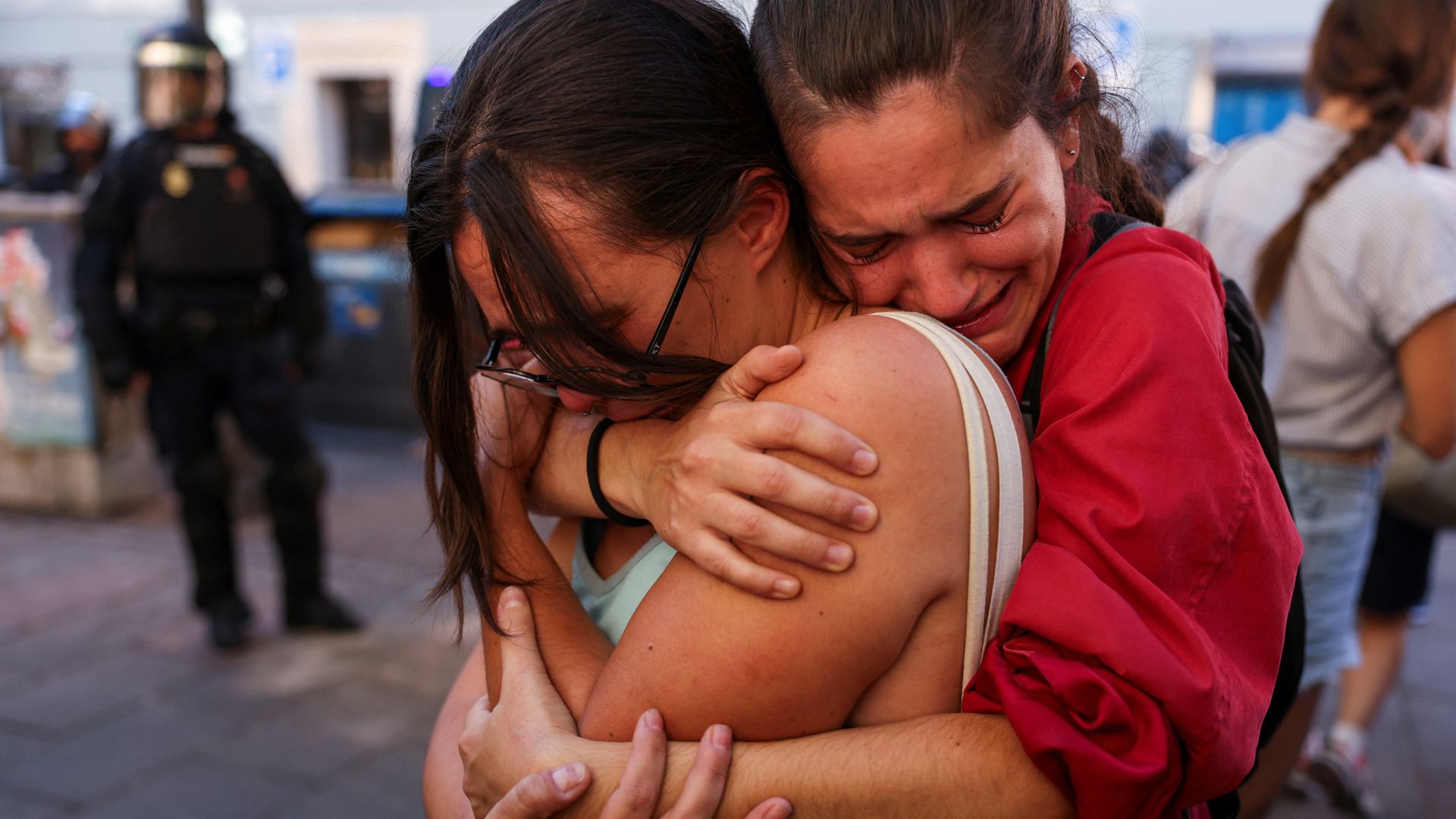
Across Spain, a tremor has broken through the sun-bleached facades of tourist-lined avenues and historic city centers. It is not an earthquake, nor a sudden storm sweeping in off the Mediterranean. It is something much quieter, and infinitely more terrifying. It is the sound of an 87-year-old woman stepping onto the pavement with a suitcase she never thought she would pack, clutching a lifetime in a plastic bag because a court order decided her life was worth less than a market adjustment.
We talk about housing markets as if they are weather patterns. We speak of skyrocketing rental yields, tourism pressures, short-term holiday rentals, and yield curves with the detached clinical language of economists staring at glowing Bloomberg terminals. We throw around numbers like macro-aggregates. Millions of units. Percentage growth. Investment portfolios.
Numbers do not bleed. Numbers do not have arthritis in their knuckles.
Consider what happens when a society forgets that a home is a shelter before it is an asset. When the cost of living outpaces the floor of human survival, the arithmetic stops being a policy debate and becomes an eviction notice. In Madrid, in Barcelona, in the historic alleyways of Valencia, the streets have filled with banners, chanting crowds, and the raw, hoarse fury of people who realize they are being priced out of their own geography. They are marching because an octogenarian was cast out onto the concrete, but they are also marching because they know, with a sickening certainty, that they could be next.
It starts with a renewal letter.
Imagine opening an envelope to find your monthly rent has doubled overnight. Not because your apartment has grown larger, not because the walls have been gilded or the plumbing miraculously upgraded, but simply because the building was bought by a blind fund registered in a tax haven two thousand miles away. The algorithm ran its calculations. The neighborhood became "hip." The digital nomads arrived with their remote-working salaries, bidding up the price of a modest flat to heights that defy local wages.
And so the squeeze begins.
To understand the Spanish housing crisis—or any housing crisis, for that matter—you have to look past the macroeconomics and watch the human collateral. Spain’s economy has rebounded in various sectors following past downturns, yet a structural fracture remains wide open. Youth unemployment lingers, entry-level wages stagnate, and fixed-income pensioners find themselves trapped in a pincer movement between soaring inflation and aggressive real estate speculation. When property is treated purely as a financial instrument to park international capital, ordinary residential living becomes collateral damage.
The protests are not merely angry outbursts. They are a desperate geography lesson. They map out the places where communities used to live before the neighborhood bakeries were replaced by specialty matcha bars and automated lockboxes for weekend tourists. They highlight the paradox of a modern economy where working forty hours a week no longer guarantees a roof over your head.
Look closely at the faces in those crowds. You see young couples working full-time jobs who still share a cramped room with strangers because an independent flat requires three months of security deposits, proof of a permanent contract, and a guarantor they do not possess. You see elderly residents who have lived in the same flat since Franco was in power, staring at notices they cannot read or comprehend, wondering how a piece of paper signed by a judge can erase eighty years of memory.
This is where the emotional core of the crisis lives. It is the steady, corrosive erosion of belonging.
When you tell an entire generation that they cannot afford to put down roots, you alter their psychological relationship with the future. Long-term planning evaporates. Marriage, children, stability—these milestones begin to look like luxury items reserved for an inheriting class. People stop investing in their communities because they know their tenancy is precarious, temporary, and entirely at the mercy of a landlord's next portfolio pivot.
Yet, anger alone does not build walls, nor does it pay rent.
The solutions proposed by urban planners and housing advocates are complex, often politically volatile, and fiercely resisted by vested interests. They involve rent stabilization measures, aggressive taxation on vacant properties, restrictions on speculative short-term rentals, and a massive, state-backed injection of public social housing. They require political courage that stretches past the next electoral cycle. They demand that lawmakers answer a fundamental question: Is housing a fundamental human right, or is it a speculative casino?
Until that question is answered with absolute moral clarity, the keys will keep turning in locks that no longer belong to the people who polished them.
The crowds in the streets will grow larger. The banners will get frayed at the edges. And somewhere in a quiet corridor, another older person will pack a suitcase, step across a threshold for the very last time, and close the door on a world that decided they were simply too expensive to keep.
The street outside is noisy, indifferent, and blindingly bright.
There is no room left inside.