Surveillance cameras rarely stall out once police departments get city funding. Yet the Los Angeles Police Department's plan to mount Automated License Plate Readers along Western Avenue ran straight into an unexpected roadblock.
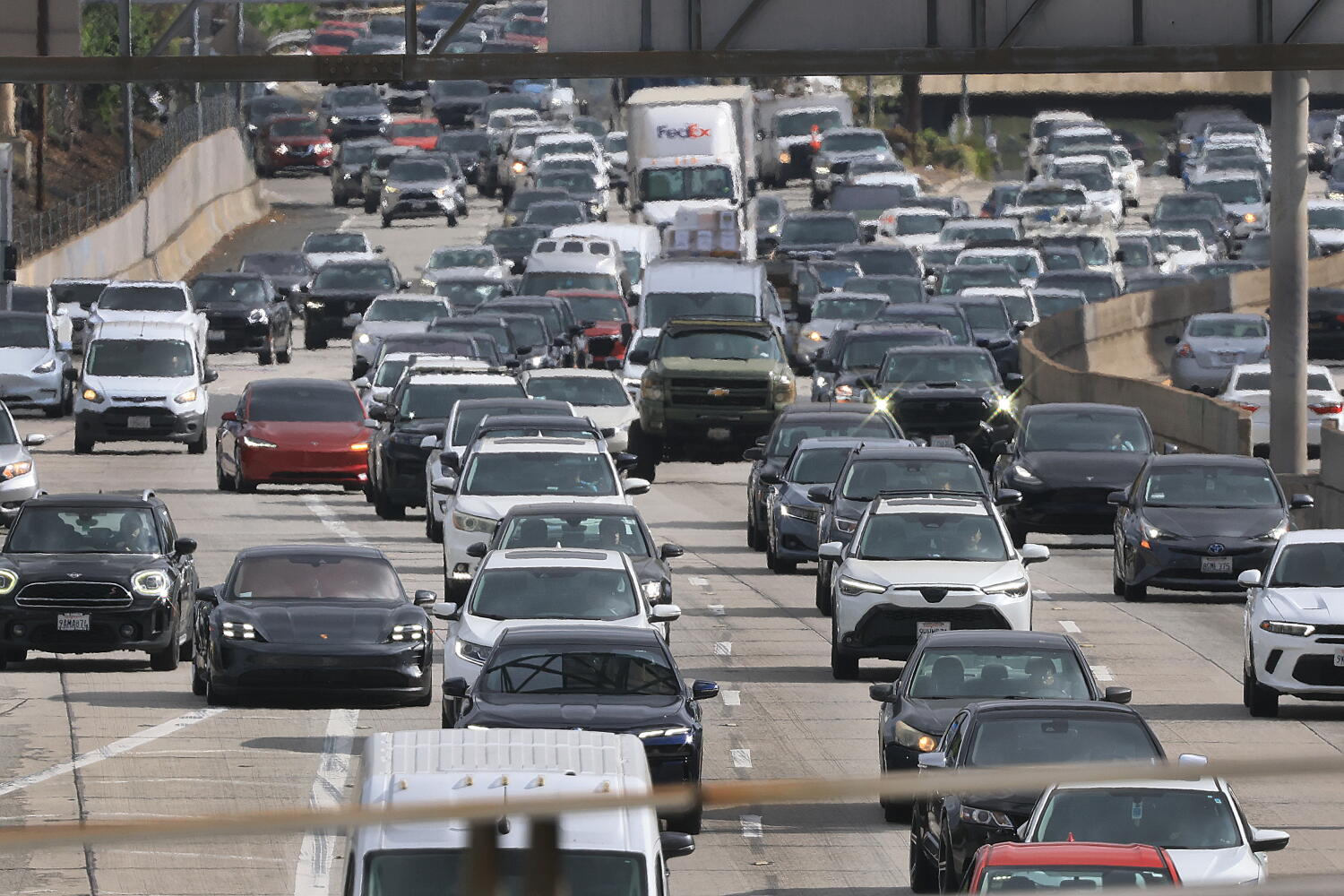
Drivers use Western Avenue every single day to cut across Los Angeles, making it one of the longest and busiest north-south corridors in the city. For LAPD leadership, installing Automated License Plate Readers (ALPRs) along this specific stretch seemed like an obvious way to track stolen vehicles and solve violent crimes faster. Instead, the rollout hit fierce pushback from privacy advocates, local neighborhood councils, and city officials demanding answers before a single camera goes up.
If you live in LA or drive through the Western Avenue corridor, this fight matters to you. It's not just about catching car thieves. It's about how much location data the city collects on ordinary people who haven't broken a single law.
What Happened With the Western Avenue ALPR Proposal
The LAPD has used license plate readers for years, mounting them on patrol cruisers and stationary poles across various neighborhoods. The Western Avenue initiative aimed to expand that footprint by placing fixed cameras along key intersections of the bustling thoroughfare.
Things slowed down fast when community members and civil liberties groups realized how little public oversight accompanied the plan. Under California law—specifically Senate Bill 34, passed back in 2015—law enforcement agencies must maintain clear usage and privacy policies before operating ALPR systems. Even with state rules on the books, critics argued that the LAPD moved forward without genuine community input or transparent guardrails on how long driver data gets stored.
Local oversight boards and privacy coalitions raised sharp questions during public hearings. They wanted to know why Western Avenue was targeted, who gets access to the database, and whether data could be shared with out-of-state agencies or federal immigration authorities.
When officials couldn't provide satisfying, ironclad answers on the spot, the momentum died. The plan didn't vanish forever, but it hit a bureaucratic and political wall that forced the department back to the table.
How Automated License Plate Readers Actually Work
Most people picture a traffic camera snapping a photo when you run a red light. ALPRs are completely different.
These high-speed cameras scan every single passing car, day or night, whether you're speeding or driving five miles under the limit. Software instantly converts the characters on your plate into searchable text, logging the exact date, time, and GPS coordinates of your vehicle.
One scan isn't a big deal. Thousands of scans over months create a detailed map of your life.
- Daily routines: Cameras capture when you leave for work, when you come home, and which routes you prefer.
- Sensitive locations: Scans log visits to medical clinics, religious centers, protests, or therapy offices.
- Associates and habits: Cross-referencing plate timestamps reveals who meets whom and where.
Police departments compare those scanned plates against "hot lists" of stolen cars, Amber Alerts, or vehicles linked to active warrants. When a match pops up, officers get an immediate alert.
The catch? Over 99% of the plates scanned belong to innocent people going about their day. Yet those millions of non-hit records often sit in searchable databases for months or even years, ready to be queried later without a warrant.
Why Western Avenue Became a Flashpoint
Western Avenue stretches nearly 30 miles from the hills of Los Feliz down to the port in San Pedro. Along the way, it cuts directly through Koreatown, Harvard Heights, South Los Angeles, and Harbor Gateway.
These are dense, working-class, and heavily diverse neighborhoods. Residents here already deal with heavy traffic, infrastructure headaches, and long-standing tensions over how policing is distributed across different parts of Los Angeles.
Putting a dense net of fixed surveillance cameras along Western Avenue felt personal to many locals. Civil rights organizations, including the Electronic Frontier Foundation (EFF) and the ACLU of Southern California, have repeatedly warned that fixed ALPR networks disproportionately concentrate in Black and Latino neighborhoods.
When surveillance clusters in specific corridors, residents face higher scrutiny simply because of their zip code. That reality fueled intense skepticism during neighborhood council meetings. People didn't see the cameras as a neutral safety tool; they saw them as an uneven expansion of police monitoring without clear proof that crime would actually drop.
The Privacy Risks Nobody Mentions in Press Releases
Law enforcement supporters always frame license plate readers around violent crime and auto theft. Nobody wants their car stolen, and detectives genuinely do use plate hits to crack tough cases.
Still, relying solely on police press releases leaves out huge operational risks that have plagued ALPR programs across California.
Data Sharing and Out-of-State Leaks
Even when a California police department promises not to share data with federal agencies, regional data-sharing networks complicate everything. Many departments use private vendors like Flock Safety or Vigilant Solutions to manage their camera networks.
Audits by the California State Auditor have previously found that several law enforcement agencies shared ALPR data with hundreds of outside entities—sometimes without knowing who was accessing the records or why. California's SB 34 explicitly prohibits sharing ALPR data with out-of-state agencies, yet misconfigured sharing settings have caused repeated compliance failures across the state.
Data Retention Without Warrants
Once your plate enters a database, it stays there until the retention clock runs out. Depending on the specific LAPD division or vendor contract, retention periods can stretch from 30 days to a year or more.
During that window, officers can run historical searches on your car without obtaining a judge's signature. Civil liberties attorneys argue this amounts to warrantless location tracking—the exact kind of continuous surveillance the U.S. Supreme Court restricted in Carpenter v. United States when it ruled police need a warrant to access historical cell-site location data.
Misreads and High-Risk Traffic Stops
Cameras make mistakes. Dirt, glare, damaged brackets, or state font variations routinely cause OCR software to misread a letter or number.
A misread plate can turn an ordinary grocery run into a terrifying felony traffic stop with guns drawn. Across the country, innocent drivers have been handcuffed on the side of the road because a camera mistook an "8" for a "B" or matched a plate number from the wrong state. Protocols require officers to visually verify the plate before acting, but mistakes still happen under pressure.
What California Law Requires Before Cameras Go Up
Los Angeles doesn't operate in a legal vacuum. Before any agency deploys or expands fixed surveillance technology, several rules come into play.
First, California Civil Code Section 1798.90.5 (created by SB 34) mandates that any agency operating ALPRs must publish a clear usage and privacy policy on its website. That policy must specify who has access, how data is protected, how long it is kept, and how audits are conducted.
Second, Los Angeles has its own local surveillance oversight ordinances. Under rules pushed by digital rights coalitions, city departments seeking new surveillance tech must submit detailed Surveillance Impact Reports and use policies for public review and City Council approval.
Third, the California State Auditor's 2020 landmark audit of ALPR systems exposed widespread sloppy recordkeeping, excessive data retention, and weak access controls across major California police agencies—including the LAPD. That audit gave city lawmakers and community advocates concrete ammunition to demand strict accountability before approving any new camera installations.
Does Crime Data Actually Back Up Fixed ALPRs?
Ask police brass if license plate readers work, and they'll point to specific arrests and recovered vehicles. Ask independent criminologists, and the picture gets much murkier.
Research on fixed ALPR networks shows mixed results on overall crime reduction:
- Auto theft recovery: Fixed cameras undeniably help spot stolen cars faster, especially when thieves drive along major arteries like Western Avenue.
- Deterrence limits: Criminals quickly learn where stationary cameras sit—or simply swap plates, remove plates entirely, or use paper temporary tags that cameras struggle to track.
- Resource trade-offs: Every dollar spent on camera hardware, cloud storage, and software subscriptions is money not spent on street lighting, traffic calming, or community-based violence intervention.
Without independent, transparent metrics showing how many scans actually lead to convictions versus how many millions of innocent trips get logged, skepticism stays high.
How Los Angeles Residents Can Track and Influence the Rollout
The pause on Western Avenue proves that public pressure actually works in Los Angeles. Surveillance expansions usually slip through quiet consent calendars unless residents pay attention and show up.
If you live near Western Avenue—or anywhere in LA—you can take concrete steps right now to keep tabs on this proposal and hold city leaders accountable:
- Check your local Neighborhood Council agenda: Councils along the corridor—including Wilshire Center-Koreatown, Empowerment Congress North, and Harbor Gateway—regularly weigh in on city infrastructure and policing proposals. Public comments get entered into the official city record.
- Contact your City Council District office: Western Avenue cuts across multiple districts, including CD 4, CD 8, CD 10, CD 13, and CD 15. Call or email your councilmember's transportation and public safety deputies to ask where they stand on fixed ALPR funding and retention limits.
- Read the LAPD's current ALPR policy: Look up the department's published usage policy under California Civil Code 1798.90.5 to see current retention windows and audit rules, then compare those promises against what gets proposed at Board of Police Commissioners meetings.
- Attend Board of Police Commissioners public comment: The civilian commission oversees LAPD policy and equipment approvals. Showing up virtually or in person during Tuesday morning meetings forces commissioners to address privacy concerns on the record before signing off on expanded camera networks.


