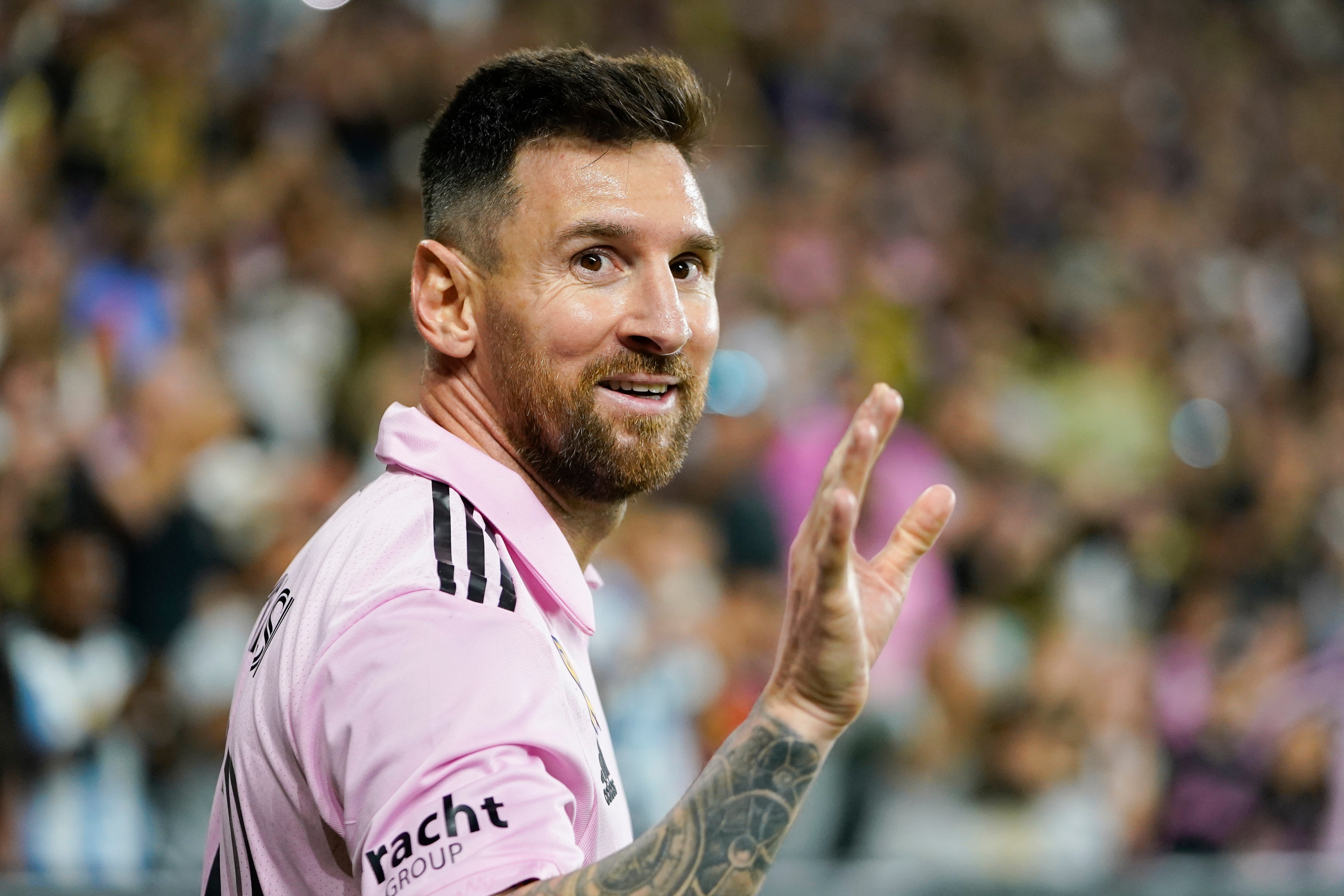
The ticker-tape hasn't even cleared Canyon of Heroes, and the sports media complex is already drowning in its own drool. Look at the photos. Look at the screaming fans. Look at a franchise finally shedding decades of misery. It is a beautiful, cinematic narrative.
It is also completely wrong.
The lazy consensus covering the New York Knicks' recent championship run treats this title as the dawn of a dynasty. Photographers captured the tears, the flying confetti, and the euphoric embrace of a starving fan base. They tell you this is the destination. I am here to tell you it is a trap.
I have watched front offices navigate the immediate aftermath of monumental sports milestones for two decades. The absolute most dangerous position for a professional sports franchise is not mediocrity. It is the immediate aftermath of a deeply emotional, drought-breaking championship in a major media market.
This parade did not solidify a powerhouse. It inflated an unsustainable bubble.
The Myth of the Sustainable Core
Every major outlet is analyzing those five iconic parade photos and preaching the same gospel: this roster is built for a decade of dominance. They point to the chemistry, the sacrifice, and the defensive grit.
They ignore basic cap mechanics and human nature.
Winning changes the math. When a team wins a title, every single role player instantly gains a premium valuation in free agency. The "Knicks Tax" used to refer to overpaying free agents to come to Madison Square Garden. The new Knicks Tax is the exorbitant cost required to keep a championship bench intact when small-market teams with massive cap space come hunting for "championship culture."
The Cost of Sentimentality
Look at the history of emotional sports triumphs. When the Dallas Mavericks won in 2011, Mark Cuban made the brutally cold, analytical decision to let key pieces walk rather than locking the team into long-term mediocrity via luxury tax hell. He was vilified. He was also objectively right.
Conversely, look at teams that fell in love with their own parade photos. The post-2016 Chicago Cubs ran back a core out of sheer sentimentality, refusing to trade fan favorites at peak value. They traded financial flexibility for nostalgia, and the window slammed shut years ahead of schedule.
New York is currently sprinting into that exact same trap. The city is demanded that this specific group stay together forever. In the modern NBA, continuity is a luxury item that frequently bankrupts your asset portfolio.
The Recency Bias of Total Victory
People also ask if this championship validates the hyper-aggressive asset liquidation the front office executed over the last twenty-four months. The short-sighted answer is yes, because a ring justifies everything.
The brutal reality is that the margin between this parade and a catastrophic first-round exit was razor-thin. A single bounced ball, a solitary hamstring strain, or a different whistle in a Game 7, and we would be reading articles about whether this front office blew its asset stash too early.
| Factor | Championship Narrative | Analytical Reality |
|---|---|---|
| Roster Depth | "Unmatched grit and next-man-up mentality." | Extreme minutes load that risks long-term structural injuries to core stars. |
| Asset Management | "All-in move delivered the ultimate prize." | Draft cupboard is bare; zero leverage for future salary-matching trades. |
| Coaching Style | "A masterclass in culture building." | A high-variance, high-friction system that historically leads to rapid player burnout. |
Treating a high-variance postseason run as a repeatable blueprint is a executive failure. The front office caught lightning in a bottle. Expecting to bottle it twice while the rest of the Eastern Conference recalibrates is statistical illiteracy.
The Looming Second Apron Execution
Here is the mechanical reality nobody wants to talk about while looking at photos of players chugging champagne on floats: the collective bargaining agreement was specifically engineered to destroy teams exactly like these Knicks.
The second tax apron is not a financial penalty; it is a competitive straightjacket. It freezes your ability to aggregate salaries in trades, bans you from sending cash in deals, and eventually moves your first-round draft picks to the end of the round regardless of your record.
- Frozen Assets: You cannot take back more money than you send out.
- Banned Buyouts: You cannot sign impact players dropped mid-season by tanking teams.
- Draft Penalties: Your draft capital becomes functional garbage.
The parade photos show a team at its absolute absolute apex. What they don't show is that the team is now locked into a room with a ceiling that is actively lowering. You cannot adjust this roster anymore. You cannot pivot when a rival team finds a structural loophole to exploit your defensive coverage. You are stuck with what you have, precisely when what you have has never been more expensive.
Stop Celebrating Stability
The conventional wisdom says the Knicks must protect their culture at all costs.
Culture does not play transition defense. Culture does not hit above-the-break threes when a defense collapses on your primary initiator. Culture is what media members write about when they don't understand tactical adjustments.
The teams that win multiple titles in the modern era are the ones willing to alienate their fan base by trading beloved pieces twenty-four months too early rather than fifteen minutes too late. If the front office treats this parade as a justification for inertia, the descent will be swifter than anyone in New York is prepared for.
The parade was spectacular. Enjoy the photos. Hang them on the wall. Because the moment the confetti hit the pavement, this roster became an archaic relic of a cap environment that no longer exists. The celebration is over, and the bill has already arrived.