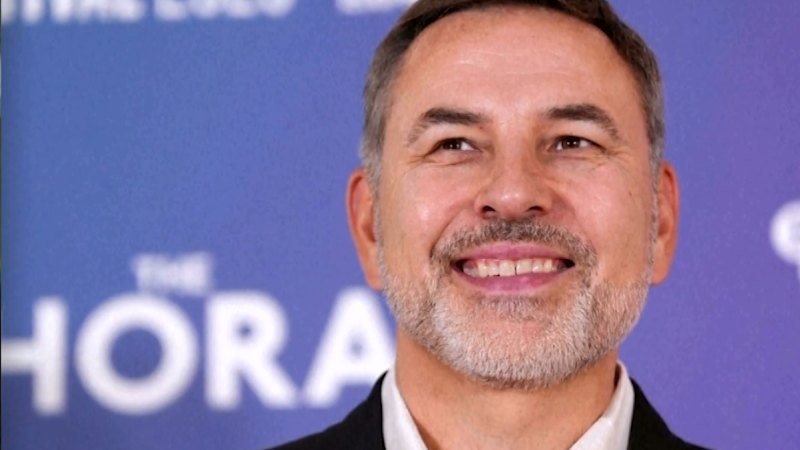
The royal press pack loves a cozy headline. They see a 78-year-old monarch trading banter with Elton John on a radio broadcast and immediately reach for words like "charming," "relatable," and "modernizing."
They are missing the entire play. For an alternative look, consider: this related article.
I have spent twenty years watching legacy institutions try to buy relevance with celebrity proximity. Every single time, the trade papers call it a triumph of modern public relations. Every single time, the underlying metrics tell a story of quiet desperation. When the British monarchy turns a milestone birthday into a celebrity-assisted audio variety show, you are not witnessing a spontaneous moment of warmth between old friends. You are looking at an emergency reputation-management protocol disguised as light entertainment.
The Myth of the Relatable Monarch
Let us dismantle the lazy consensus right out of the gate. The standard royal coverage treats King Charles III appearing on a radio broadcast alongside Sir Elton John as proof that the Crown is loosening its collar. The narrative goes like this: Charles is human, he has famous mates, he can take a joke, and therefore the institution is thriving. Related insight on this trend has been shared by Wall Street Journal.
That reading gets the mechanics of constitutional monarchy completely backward.
Walter Bagehot, the nineteenth-century constitutional theorist who literally wrote the rulebook on how the British Crown survives, warned explicitly against letting daylight in upon the magic. Bagehot understood that an inherited head of state cannot compete with elected politicians or pop stars on the terrain of everyday relatability. The moment a monarch tries to act like a regular bloke sharing laughs over a microphone, the mystery evaporates, and all that remains is an extraordinarily expensive civil servant with a hereditary lease on several palaces.
Yet here we are. Seventy-eight years old, facing a demographic cliff where younger Britons regard the monarchy with apathy rather than hostility, and Buckingham Palace reaches for the oldest trick in the fading-brand playbook: borrow someone else's cultural capital.
Why Elton John Is Doing the Heavy Lifting
Look closely at the pairing. Elton John is not just a British musician; he is an emotional bridge to a very specific era of royal history.
When the public sees Elton John laughing with King Charles, the subconscious association is immediate. Elton sang at Princess Diana's funeral in 1997. He was her confidant during the darkest years of the Windsor civil war. Putting Charles and Elton in the same auditory frame is not random programming. It is a calculated piece of visual and sonic laundering. If Diana's closest musical ally can share a warm, breezy joke with the King on his 78th birthday, then the historical ledger is subtly wiped clean without anyone ever having to utter an apology.
I have watched corporate boards execute this exact maneuver after bitter succession battles. You never litigate the past in public. Instead, you stage a casual, unscripted-looking interaction with the loudest critic's best friend. The audience sees the smile, hears the chuckle, and subconsciously concludes that the feud is over.
It is brilliant stagecraft. Just stop calling it organic.
The Audio Pivot Is a Defensive Retreat
Why radio? Why a curated playlist and gentle conversational banter instead of a traditional televised sit-down interview?
Because television exposes everything, and unscripted print interviews are lethal.
In radio—especially a pre-recorded, heavily produced birthday special—every variable is locked down. There are no awkward camera angles catching a flicker of irritation. There is no investigative journalist pressing on sovereign grant finances, Duchy of Lancaster revenues, or the ongoing fallout from family estrangements. Music fills the dead air. A legendary showman carries the pacing. The monarch gets to sound thoughtful, self-deprecating, and cultured without risking a single unvetted follow-up question.
Consider the structural differences between modern media formats for legacy figures:
- Live Broadcast Television: High reach, zero control over micro-expressions, brutal clip-ability on social media when a single sentence lands poorly.
- Long-Form Print: Requires sustained intellectual rigor and leaves permanent, searchable quotes that critics dissect for decades.
- Curated Celebrity Radio: Maximum warmth, total editorial control, built-in nostalgia, and zero accountability.
Radio is the ultimate safe space for an aging institution. You get the intimacy of a voice whispering directly into the listener's earbuds without the vulnerability of actual scrutiny.
Answering the Questions Nobody Dares Ask Out Loud
Whenever a royal media stunt drops, search engines light up with predictable queries from the public. Most outlets feed those queries with boilerplate PR statements. Let us answer them honestly instead.
Is King Charles Actually Modernizing the Monarchy With Media Appearances?
No. Real modernization means structural reform: slimming down the public payroll, opening private financial records to independent audit, or relinquishing archaic tax exemptions. Putting a crown on a microphone and playing favorite records is aesthetic modernization. It changes the wallpaper while leaving the plumbing untouched. In fact, relying on celebrity radio spots actually delays genuine reform by creating the illusion of progress.
Why Do Celebrities Like Elton John Agree to Royal Broadcasts?
Because mutual validation is the currency of the British establishment. Even anti-establishment icons eventually crave institutional canonization. Knighthoods, Companion of Honour titles, and royal proximity transform a pop star from a commercial entertainer into a national treasure. Elton John brings cool, global recognition, and emotional warmth to the table; Buckingham Palace brings centuries of institutional legitimacy. Neither party is doing charity work. It is a clean, symmetrical transaction.
Does This Kind of Coverage Actually Win Over Younger Audiences?
The data on generational attitudes toward the British monarchy—consistently tracked by organizations like the National Centre for Social Research—shows a steady downward slope among under-35s. Younger audiences do not listen to traditional scheduled radio specials, and they are hyper-aware of curated PR. When Gen Z sees a 78-year-old billionaire monarch joking with a 79-year-old rock legend, they do not feel a surge of patriotic affection. At best, they scroll past. At worst, they see two members of an entrenched elite congratulating each other on surviving another year.
The Hidden Cost of Trading Mystery for Charm
There is a massive downside to this strategy that palace communications directors refuse to confront, and it is the exact trap that has hollowed out dozens of heritage luxury brands.
Once you train your audience to expect warmth, humor, and accessibility, you can never go back to aloof majesty.
Think about Queen Elizabeth II. For seventy years, she almost never gave an interview. She never explained herself. She never curated a public playlist or traded banter with pop stars on the airwaves. Because she gave the public almost nothing of her personal interiority, every rare public appearance carried immense weight. Silence created gravity.
Charles has spent his entire life wanting to be understood. As Prince of Wales, he wrote letters, gave documentaries, and lobbied ministers because he could not bear the thought of being misread by history. Now, as King, that same impulse drives him toward these humanizing media moments.
The problem is that familiarity breeds evaluation. When a monarch stays silent, citizens project their own ideals onto the Crown. When a monarch chats about his favorite songs and cracks jokes with Elton John, citizens start grading him like a podcast host. They judge his taste, his timing, his delivery, and his sincerity. You voluntarily step down from the pedestal and enter the attention economy—an arena where a 78-year-old hereditary ruler will always lose to algorithms, comedians, and actual entertainers.
What Legacy Institutions Should Do Instead
If you run a heritage brand, a cultural institution, or any organization whose value rests on permanence rather than novelty, stop copying the Buckingham Palace playbook. Chasing trendy formats and borrowing celebrity warmth only accelerates your irrelevance.
- Double Down on Core Utility, Not Personality. Nobody needs the monarch to be funny. They need the constitutional mechanism to work smoothly and quietly. If your organization exists to provide stability, be boringly reliable. Leave the entertainment to entertainers.
- Guard Your Scarcity. Every time a high-status figure appears in a low-stakes media format, their perceived authority drops. Speak rarely. When you do speak, make sure the setting matches the gravity of the office.
- Stop Using Nostalgia as a Strategy. Pairing two icons from the twentieth century to generate warm headlines works great for people who already read morning newspapers. It does nothing to build equity with the people who will inherit the culture twenty years from now.
- Fix the Structural Friction Before Staging the Photo Op. No amount of radio charm offsets unresolved public skepticism around transparency and cost. Address the hard questions directly instead of drowning them out with a great soundtrack.
The Real Meaning of the Broadcast
Imagine a scenario where a struggling heritage company replaces its quarterly earnings call with an acoustic jam session featuring a beloved rock star. The press would laugh them off the front page. Analysts would immediately recognize it as a distraction from weak fundamentals.
Yet when Buckingham Palace runs the exact same play for a 78th birthday, the media applauds the warmth of the moment.
Enjoy the music. Laugh at the banter between two men who have lived extraordinary, insulated lives at the very top of British society. Just do not mistake a well-produced radio show for institutional strength. A monarchy that truly felt secure in its future would never need Elton John to help it celebrate a birthday.