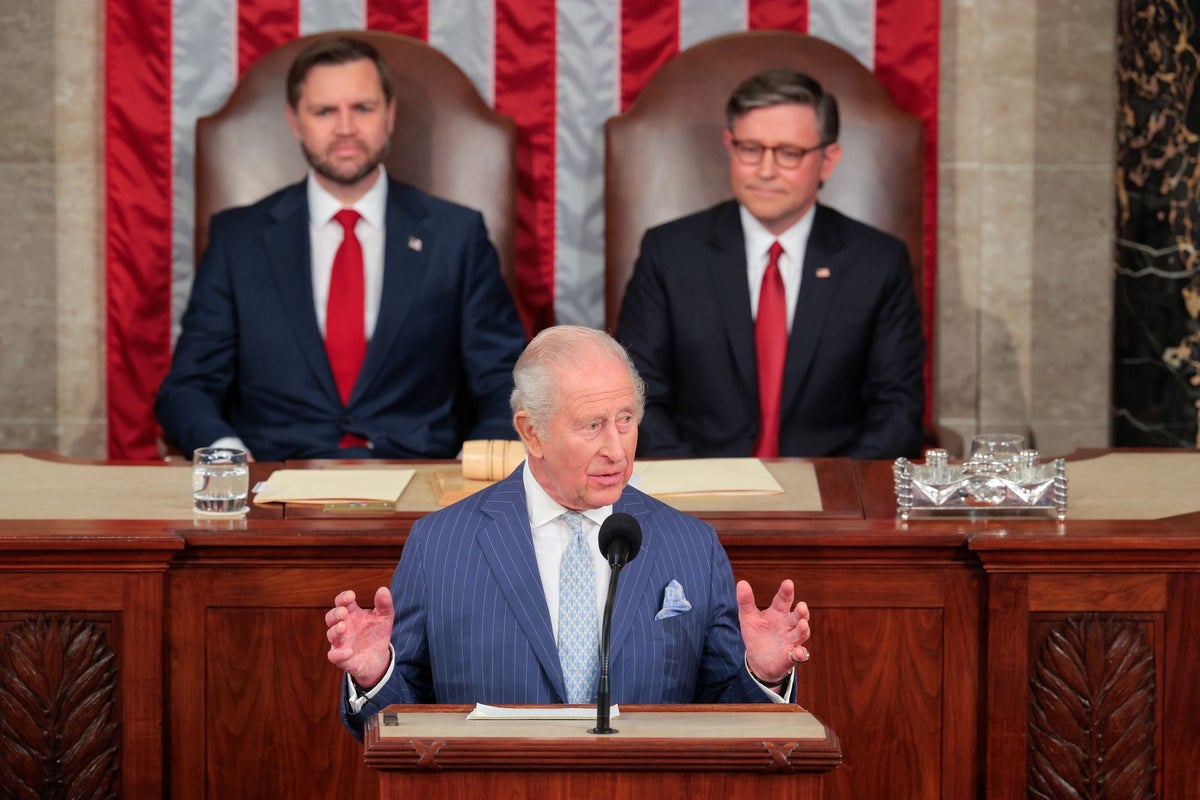
King Charles III didn't just walk into the U.S. Capitol to deliver a standard "special relationship" stump speech. He walked into a minefield of royal scandal and political tension. While most observers expected a polite nod to history and the 250th anniversary of the Declaration of Independence, the King took a sharp, calculated turn. He acknowledged the victims of "the ills" that plague both societies, a move Buckingham Palace confirmed was a direct, if carefully worded, reference to the survivors of Jeffrey Epstein’s abuse.
It’s a massive departure from the usual royal playbook of "never complain, never explain." You don't usually see a British monarch standing before the world's most powerful politicians and admitting that their own house—and the halls they're standing in—have failed the most vulnerable.
Reading Between the Lines on Capitol Hill
The actual line in the speech was subtle, but in the world of high-stakes diplomacy, subtlety is a sledgehammer. Charles spoke about the "collective strength" required to "support victims of some of the ills that, so tragically, exist in both our societies today."
If you think that sounds vague, you're right. That's how the Palace operates. But immediately following the address, Palace aides were unusually candid. They confirmed that the King specifically intended to acknowledge victims of abuse, including those linked to the Epstein scandal. This isn't just a random gesture. It’s a direct response to the massive pressure campaign led by U.S. Representative Ro Khanna and various survivor groups who have spent weeks demanding accountability.
Khanna had been pushing for a private meeting between the King and Epstein survivors like the family of Virginia Giuffre. While that meeting didn't happen—mostly because the Palace is terrified of jeopardizing ongoing legal cases—this speech was the "middle ground" solution. It was the King’s way of saying, "I hear you," without actually sitting in a room with lawyers present.
Why This Matters Right Now
Honestly, the timing couldn't be more awkward for the monarchy. Prince Andrew has been stripped of his titles and evicted from royal residences, but the shadow of his association with Epstein still hangs over every royal tour. By mentioning "victims" in front of Congress, Charles is trying to build a firewall between the institution of the Crown and the personal failings of his brother.
But there’s a deeper layer here. This visit is happening in a Washington D.C. that feels like a pressure cooker. Between the "Two Kings" social media posts from the White House and the "No Kings" protests in the streets, Charles is navigating a very different America than his mother did in 1991.
He isn't just dealing with the Epstein ghost. He’s also subtly pushing back against the current administration's stance on climate change. In the same speech where he mentioned victims of abuse, he lamented the "collapse of critical natural systems." It’s a bold move to lecture a host on environmentalism and social failure in the same breath, but that’s the "activist King" persona we’ve come to expect.
The Strategy of Silence vs. Acknowledgement
The Royal Family usually treats scandal like a bad smell—ignore it long enough and maybe it’ll go away. That didn't work with Epstein. The survivors aren't going away. Sky Roberts, brother of the late Virginia Giuffre, made it clear that survivors are still "pushing for real accountability" while the powerful stay "just out of reach."
Charles knows he can’t stay "out of reach" anymore. The 12 standing ovations he received from Congress suggest that his mix of humility and traditional pomp still works, but the real test is back home. Every time he acknowledges the "ills" of society, he’s effectively acknowledging that the old way of doing things—total silence—is dead.
- The Ro Khanna Factor: The California representative has been the primary engine behind the "Epstein Files Transparency Act." His public request for the King to meet survivors put the Palace in a corner.
- The Legal Trap: Why no face-to-face meeting? Simple. Lawyers. The Palace cited "concerns about jeopardising the legal processes." In plain English, they don't want anything the King says to be used in future depositions or civil suits involving the royal estate.
- The Queen’s Role: While Charles handled the political heavy lifting, Queen Camilla was busy meeting with domestic abuse charities like House of Ruth. It’s a coordinated pincer movement to show that the modern monarchy is "all in" on social advocacy.
What Happens When the Pomp Fades
It’s easy to get swept up in the 21-gun salutes and the tea at the White House, but the real takeaway is that the Crown is in a defensive crouch. This speech wasn't a victory lap. It was an olive branch to a public that is increasingly skeptical of inherited power and shielded elites.
If you’re looking for what comes next, keep an eye on the "Epstein Files" in the U.S. and the ongoing investigation into "misconduct in public office" involving Andrew back in the UK. Charles has said the law must "take its course." By acknowledging the victims in the halls of Congress, he’s tied himself to that outcome. He can’t go back to pretending it doesn't exist.
Don't expect a sudden flood of transparency, though. The Palace is still the Palace. They’ll give you a sentence in a speech and a "deeply honoured" press release, but the actual files remain under lock and key for now.
If you want to stay ahead of this story, start tracking the specific legislative moves from Representative Ro Khanna’s office regarding the Epstein Files Transparency Act. That’s where the real "accountability" Charles mentioned will either happen or die in committee. The King has set the tone; now it's up to the politicians to see if they’ll actually follow through on the "collective strength" he praised. Keep your eyes on the New York leg of the tour—that's where the survivors are most vocal, and where the King’s "compassion" will be tested in real-time.