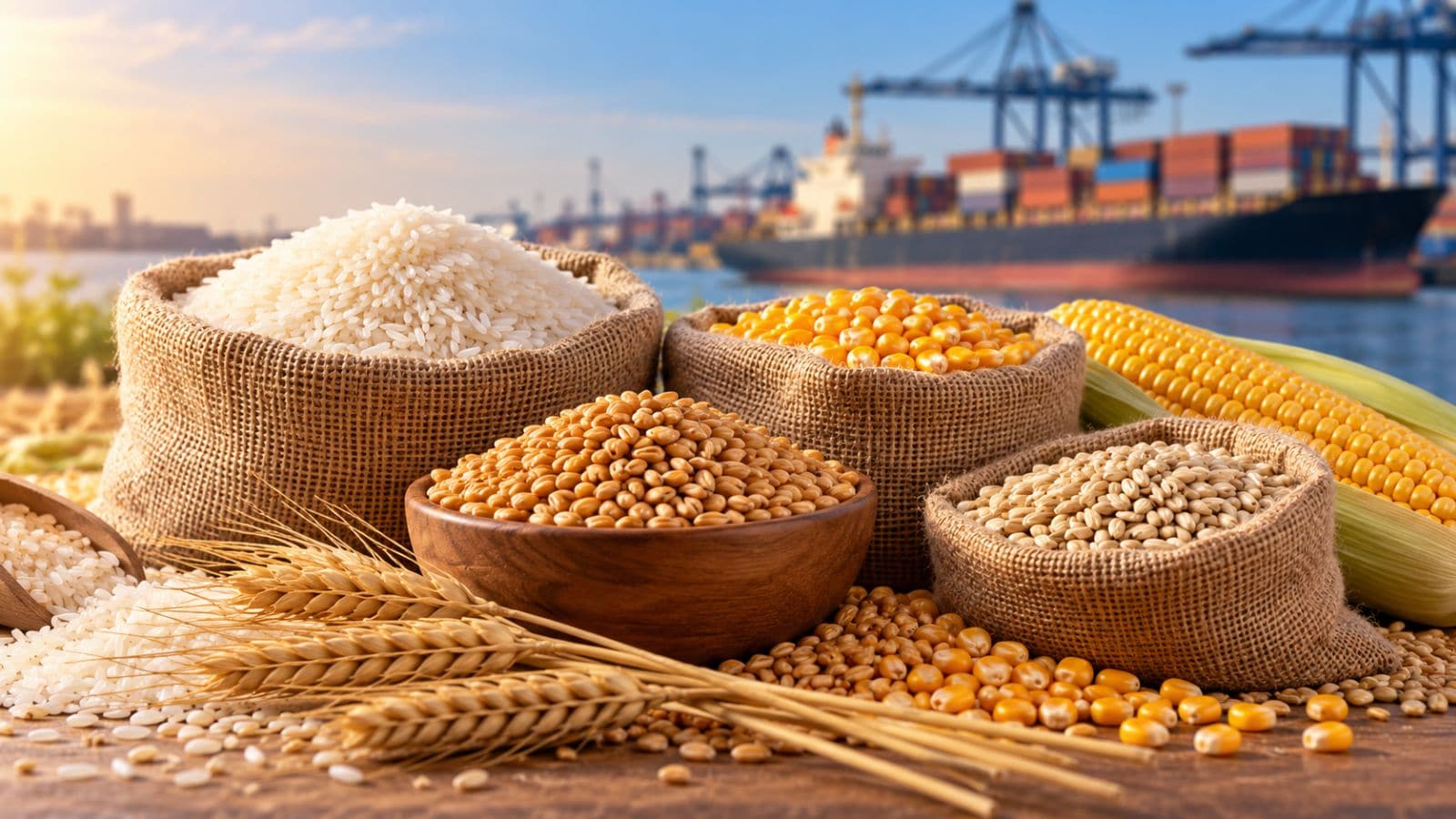
Subsidized rice distribution for Bangladesh’s ready-made garment (RMG) workforce is not a humanitarian relief measure; it is a calculated macroeconomic buffer designed to decouple factory floor stability from retail food inflation without altering unit labor costs. When state intervention replaces cash wage adjustments with caloric rationing, the government absorbs the immediate fiscal shock of inflation to protect the export competitiveness of private manufacturers.
To understand the mechanics of this policy, we must examine the structural collision between global apparel sourcing economics and domestic supply-chain inflation in South Asia. Bangladesh’s economic model relies heavily on maintaining the lowest possible Free on Board (FOB) manufacturing costs in the global textile market. Direct statutory minimum wage hikes permanently alter the cost structure of every factory, eroding profit margins and threatening order volume from Western fast-fashion buyers. By deploying state-held grain reserves through Open Market Sales (OMS) or ration cards specifically targeted at industrial zones like Gazipur, Ashulia, and Narayanganj, Dhaka attempts to raise real purchasing power without raising nominal payroll liabilities. In similar updates, take a look at: Evacuation Economics and Hazard Containment at Ethanol Facilities.
The Wage-Price Compression Mechanism
Garment workers operate at the absolute margin of subsistence, where Engel’s Law dictates that the overwhelming majority of household income is allocated directly to basic caloric intake. In industrial clusters surrounding Dhaka, food expenditure frequently consumes more than 60 percent of a worker's baseline monthly take-home pay.
When staple grain prices spike due to currency depreciation, import bottlenecks, or domestic harvest shortfalls, the resulting compression creates an immediate liquidity crisis at the household level. A 20 percent surge in the retail price of coarse rice functions identically to a double-digit cut in real wages. Because workers lack savings buffers, the transmission mechanism from market price volatility to industrial strike action is measured in days, not quarters. Investopedia has analyzed this important issue in extensive detail.
Factory owners face a rigid pricing ceiling imposed by international brands. Apparel buyers operate on multi-season procurement contracts and rarely absorb mid-cycle labor cost increases. Under these constraints, management resists cash wage revisions because fixed payroll increases compound across overtime calculations, festival bonuses, and severance liabilities. State-subsidized rice circumvents this accounting trap by shifting the inflationary burden off the factory balance sheet and onto the public exchequer.
Operational Architecture of Targeted Food Subsidies
Executing an industrial food subsidy requires bypassing open retail markets, where arbitrage and hoarding rapidly neutralize price controls. The state relies on a closed-loop distribution architecture built around three operational controls:
- Geographic Ring-Fencing: Distribution points are anchored directly inside or adjacent to high-density export processing zones and industrial corridors. By restricting physical access to factory perimeters, the state minimizes leakage to the broader urban population while maximizing visibility among the most volatile labor cohorts.
- Biometric and Payroll Verification: Eligibility is tied to National Identity (NID) cards cross-referenced against factory employment rolls maintained by trade associations such as the Bangladesh Garment Manufacturers and Exporters Association (BGMEA). This linkage turns basic food security into a retention tool; leaving a job or participating in unsanctioned work stoppages risks immediate revocation of subsidy credentials.
- Volume Rationing and Price Fixing: Allocations are strictly capped per household—typically enough to cover basic monthly staple requirements—at a discount often reaching 30 to 50 percent below prevailing market rates. This prevents workers from reselling subsidized grain on the secondary market for cash, ensuring the subsidy remains locked into household consumption.
Fiscal Substitution Versus Structural Wage Reform
The distinction between cash wages and in-kind subsidies exposes a fundamental divergence in risk allocation between the state, capital, and labor.
- Cash Wage Increases: Permanently raise the baseline cost of production. They grant workers autonomous capital allocation—allowing households to pay down high-interest informal debt, fund healthcare, or improve housing—while forcing manufacturers to seek productivity gains or negotiate higher unit prices from global buyers.
- In-Kind Grain Subsidies: Function as temporary, revocable fiscal transfers. They restrict worker autonomy by dictating the exact commodity received, leave non-food inflation (rent, utilities, transit, medical costs) entirely unaddressed, and remain subject to state budget constraints and grain stock availability.
From an operational perspective, subsidized rice acts as a pressure-release valve rather than a structural fix. Landlords in industrial districts routinely track announcements of factory wage hikes and immediately raise rents on worker tin-shed housing, capturing a significant portion of any nominal pay increase within sixty days. In-kind food distribution avoids triggering immediate rent-seeking behavior from local landlords because the benefit is non-fungible. Yet this same non-fungibility limits its stabilizing power when non-food expenses drive household insolvency.
Supply Chain Friction and Execution Bottlenecks
Deploying state food distribution across a workforce exceeding four million people introduces severe logistical vulnerabilities. The efficacy of the intervention depends entirely on the Ministry of Food’s ability to maintain uninterrupted procurement and last-mile delivery without triggering secondary market distortions.
The first bottleneck lies in public grain stock management. Maintaining massive subsidized outflows requires continuous domestic procurement or sovereign imports paid in foreign currency. When foreign exchange reserves tighten, importing sufficient grain to sustain industrial rations strains the central bank's balance sheet, creating a macroeconomic feedback loop where currency weakness further fuels domestic inflation.
The second limitation involves distribution friction at the factory gate. Truck-based Open Market Sales often force workers to queue for hours outside shift schedules, creating exhaustion, lost overtime, and localized crowd-control flashpoints. When supply trucks arrive late or run out of stock before clearing the queue, the distribution point itself becomes a catalyst for the exact labor unrest it was deployed to prevent.
The third vulnerability is quality degradation and pilferage. Without strict batch tracking from state silos to worker hands, high-grade grain is frequently diverted by intermediaries and replaced with substandard stock. If workers receive discolored or broken rice, the perceived value of the subsidy collapses, stripping the program of its pacifying effect.
Strategic Implications for Global Sourcing and Labor Stability
For international apparel brands, sovereign food subsidies represent a temporary reduction in supply-chain disruption risk, not a sustainable compliance solution. Relying on state-financed caloric support to keep factory lines running exposes sourcing networks to sudden political or fiscal shocks. If the government exhausts its grain buffer or faces fiscal pressure from international lenders to curtail public subsidies, the underlying wage deficit will resurface instantaneously, accompanied by severe production delays and reputational fallout.
Factory operators and trade associations must treat the window created by subsidized food distribution as a strict timeline for operational restructuring rather than a return to business as usual.
- Audit Real Living-Wage Gaps: Manufacturers should calculate the exact delta between current nominal wages, the cash value of state food subsidies, and actual local living costs across housing, nutrition, and healthcare. Treating the subsidy as a temporary bridge rather than permanent compensation prevents sudden labor attrition when the program scales back.
- Transition to Productivity-Linked Compensation: Rather than absorbing flat payroll hikes into static margins, factories must pair incremental base-pay adjustments with industrial engineering upgrades—automating fabric cutting, optimizing line balancing, and reducing defect rates—to preserve unit margins without suppressing worker take-home pay.
- Establish Direct Factory-Level Commissaries: Instead of relying exclusively on slow state-run distribution trucks, large industrial clusters should establish permanent, employer-co-funded cooperative stores bulk-purchasing staple goods directly from agricultural wholesalers. Removing middleman markups permanently lowers the local cost of living for workers at a fraction of the cost of equivalent cash wage hikes.
- Restructure Buyer Costing Models: Compliance and procurement teams at global brands must ring-fence labor costs within FOB pricing formulas, ensuring that statutory wage adjustments and inflation protections are passed through directly to retail unit costs rather than squeezed out of factory operating margins.
State-subsidized rice buys industrial peace in 30-day increments. Unless manufacturers and global buyers use that borrowed time to close the structural gap between export pricing and local living costs, every future spike in global commodity markets will reignite the exact same cycle of street protests and factory shutdowns.



