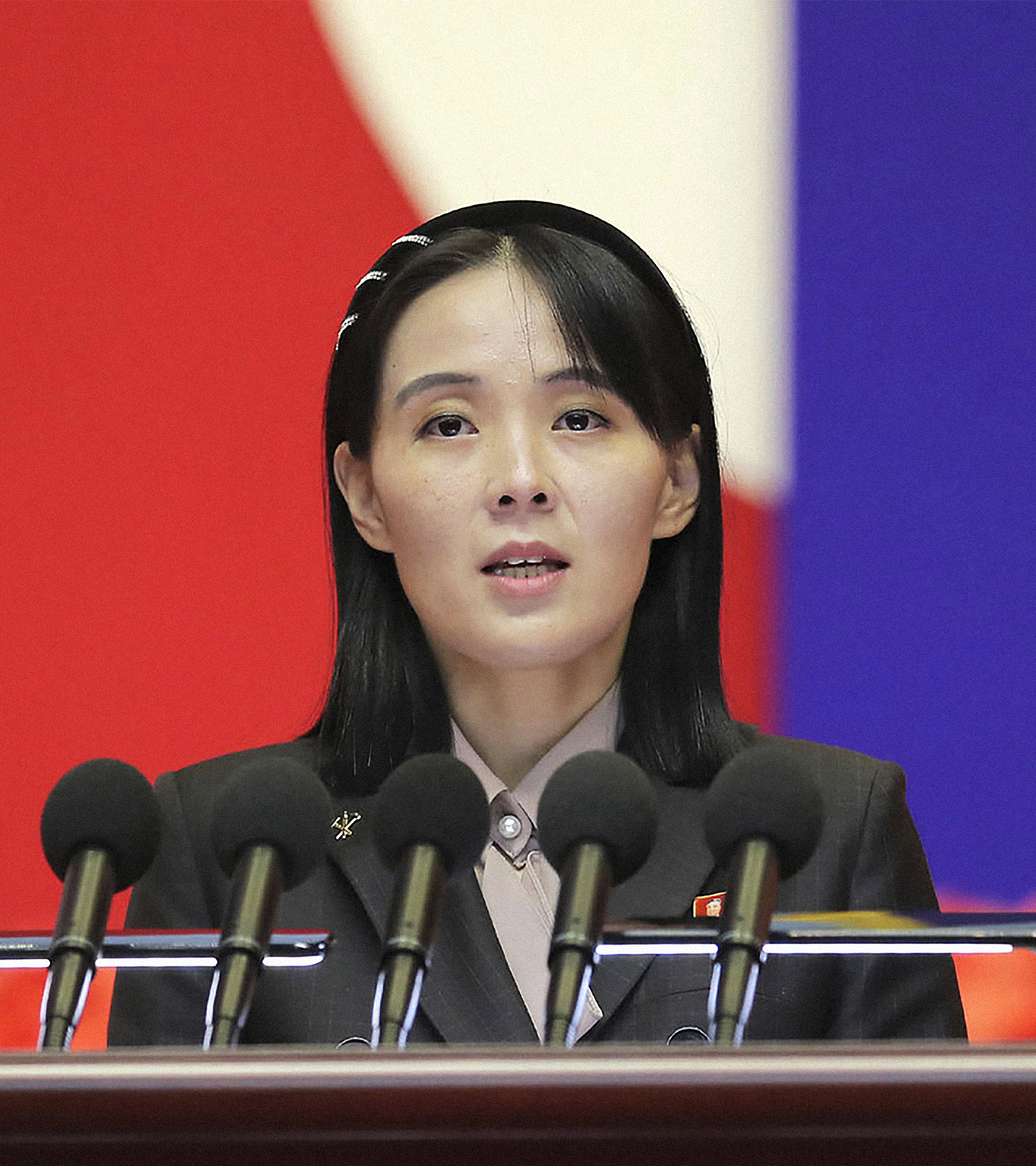
Washington wants a diplomatic win, but Pyongyang isn't buying it. When US President Donald Trump claimed he had been in touch with North Korean leadership, he probably expected a cooperative nod. Instead, Kim Yo Jong stepped up to deliver a masterclass in diplomatic cold water.
Kim Yo Jong, the influential sister of North Korean leader Kim Jong Un, came out swinging via state media. She stated she knew absolutely nothing about any ongoing communication between Washington and Pyongyang. She didn't stop there. She made it painfully clear that America's underlying foreign policy remains entirely hostile, regardless of what gets posted online or whispered to reporters in the Oval Office.
If you are trying to read between the lines of modern geopolitics, this exchange highlights a massive disconnect. Washington thinks scaling back routine military exercises counts as an olive branch. North Korea views those exact same drills—even smaller ones—as proof of persistent aggression.
The Reality of US and South Korea Drills
Trump recently directed the Pentagon to cut down joint military exercises with South Korea, citing costs and his perceived personal rapport with Kim Jong Un. To anyone sitting in Washington, slashing the duration of exercises like Ulchi Freedom Shield looks like a major concession.
Pyongyang sees things differently. Kim Yo Jong brushed off the reduction as completely meaningless. She pointed out a simple truth: shrinking a drill doesn't change its aggressive DNA.
- Troops are still training.
- Strategic assets remain stationed in the region.
- The alliance structure hasn't shifted its core objective.
When you look at it from North Korea's perspective, cosmetic adjustments to military posture mean nothing while strategic threats stay active. They aren't trading their nuclear deterrent for a short-term reduction in field exercises.
Decoding the Personal Charm Offensive
Hoping for a repeat of the 2018-2019 summit era? Think again. Trump frequently reminds reporters that his personal bond with Kim Jong Un remains strong, often describing mutual respect and positive feelings.
Kim Yo Jong actually confirmed that part of the narrative. She admitted her brother still holds good personal memories of the US president. But she instantly neutralized the compliment. Personal fondness does not equal policy surrender.
Treating a personal relationship as a shortcut to denuclearization is a mistake. Pyongyang views its nuclear status as non-negotiable. Using past photo-ops as leverage fails because North Korea's military capabilities have expanded dramatically since those early summits.
Pushing Back on Wider Rumors
Beyond the US dialogue, Kim Yo Jong used her platform to address other international claims. She flatly rejected statements from Ukrainian leadership regarding massive troop deployments to assist Russian forces, labeling those estimates groundless. She doubled down on blaming Western nations for prolonging the conflict in Ukraine, aligning her rhetoric firmly with Moscow.
She also issued a warning to Tokyo regarding Japanese military expansion. By managing multiple fronts in a single statement, Pyongyang is signaling that it watches every regional shift closely.
Diplomatic breakthroughs require alignment on reality. Right now, Washington wants a quick headline about renewed communication, while Pyongyang demands a total overhaul of America's hostile stance. Until those two positions meet in the middle, expect more public corrections from the top levels of North Korea's government.