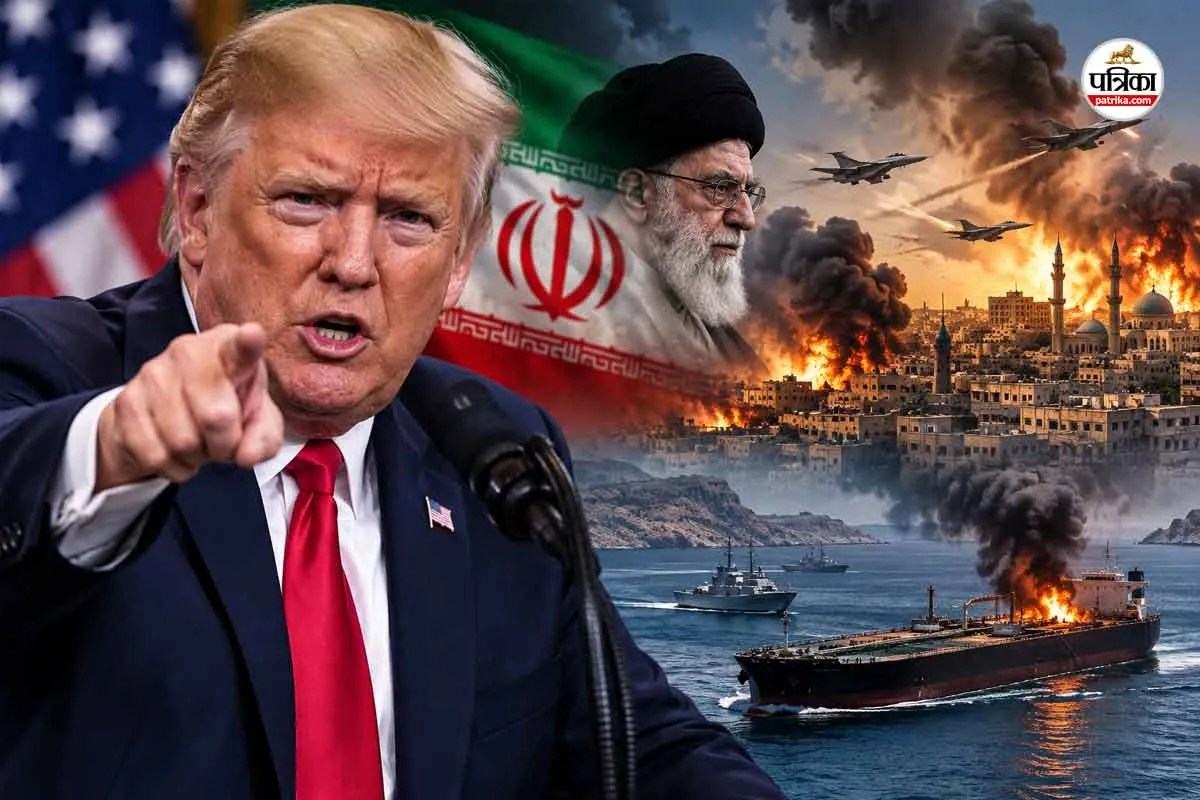
Decapitating an ideological state rarely ends a war. It usually hardens the survivors. Since joint United States and Israeli strikes killed Supreme Leader Ali Khamenei and dozens of senior Iranian officials in late February 2026, Washington has swung between threats of renewed strikes and claims that it wants a lasting deal, while President Donald Trump has signaled that fresh military action could wait until after the New Year if negotiations stall.
The tabloid framing asks whether the United States crossed a line by targeting Iran's top leadership. That question misses the harder strategic reality. Crossing a moral or legal line is one thing; getting a durable political outcome out of it is another. Nine months into the conflict, the Islamic Republic did not disintegrate. Instead, power consolidated under Khamenei's son Mojtaba Khamenei, commercial shipping through the Strait of Hormuz remained a live battlefield, and fuel and food costs rattled voters from Washington to Asia and the Middle East.
How Decapitation Backfired Inside Tehran
Washington and Jerusalem entered the campaign betting that removing the top tier of clerical and security leadership would trigger rapid internal fracture. Intelligence assessments and war planners often overestimate how quickly a centralized system collapses once its head is struck.
They underestimated the survival instincts of the Islamic Revolutionary Guard Corps. When the strikes hit Tehran in late February, street reactions inside Iran split sharply. Some Iranians celebrated openly despite fierce crackdowns, while tens of thousands mourned and security forces moved quickly to lock down cities and enforce succession. Within days, the Assembly of Experts elevated Mojtaba Khamenei, a figure long tied to the security apparatus rather than a moderate compromise candidate.
Targeted killings eliminate individuals, not institutional incentives. A surviving clique faces a starker calculus: concede under bombardment and look weak, or close ranks and prove resilience. Hardliners chose cohesion. Even when indirect diplomacy opened tracks in Oman, Qatar, and Pakistan, mutual distrust kept every breakthrough fragile.
A regime fighting for survival treats concession as existential surrender, even when its economy is bleeding.
The Chokepoint That Turned Strikes Into A Global Tax
Military strikes on Iranian territory did not settle the war because Iran retaliated where global markets feel pain immediately. Roughly a quarter of seaborne oil trade and a fifth of liquefied natural gas normally move through the Strait of Hormuz, alongside a major share of global fertilizer exports such as urea and ammonia.
Once fighting erupted, tanker traffic plunged. Iran moved to restrict shipping, while Washington imposed a naval blockade on Iranian ports and ran naval escorts. By late November, shipments had partially recovered through offshore transfers and escort operations, yet commercial vessels still faced attacks, fires, and steep insurance and freight costs.
| Pressure Lever | Intended Effect | Actual Result In 2026 |
|---|---|---|
| Leadership strikes in Tehran | Trigger rapid regime collapse | Hardened succession under Mojtaba Khamenei and tighter security control |
| Naval blockade of Iranian ports | Choke oil revenue and force concessions | Strained Tehran's finances while fueling Hormuz skirmishes and export gambits |
| Threats of renewed strikes | Compel a sweeping diplomatic deal | Kept talks alive in name while raising fears of wider regional escalation |
Consider a hypothetical energy importer in South Asia or Europe buying crude and fertilizer in late 2026. Even when partial flows resume, war-risk premiums, rerouted cargoes, and refinery disruptions ripple straight into diesel prices, electricity bills, and farm input costs. That economic blowback explains why the conflict became a political liability far beyond the Gulf.
Why Politics Now Dictates The War Clock
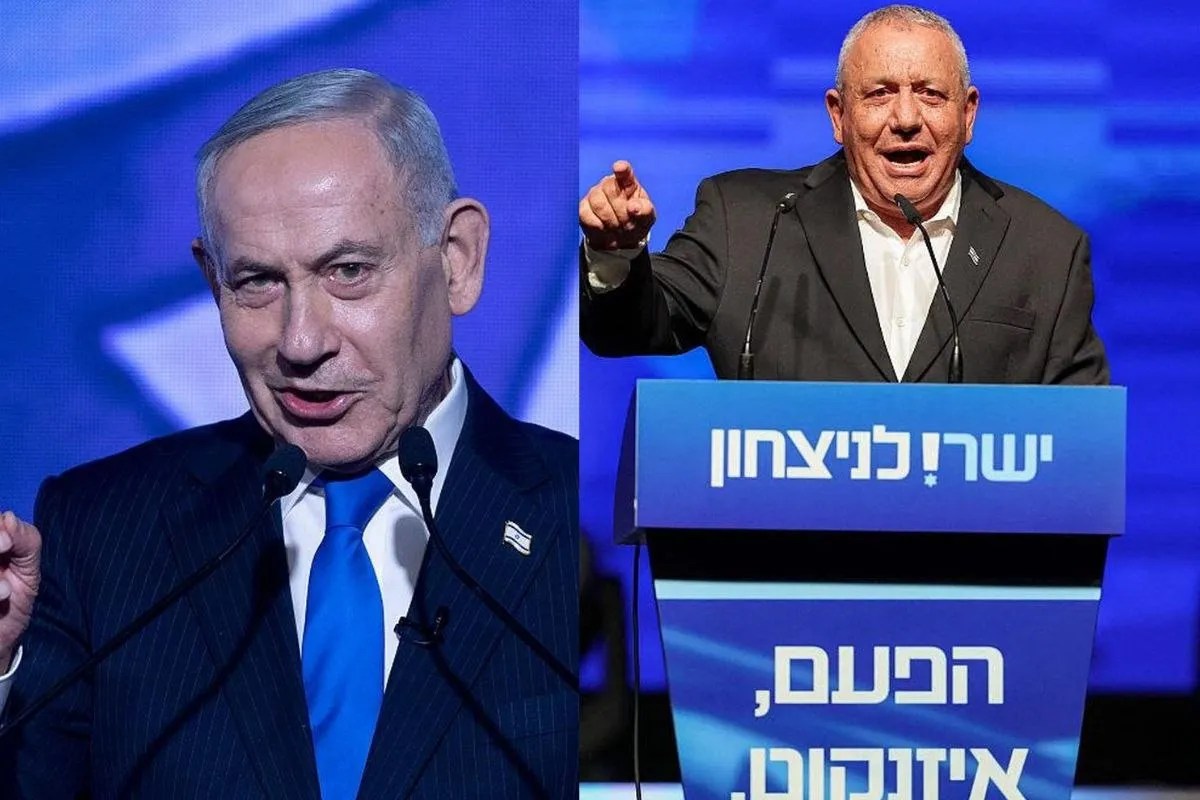
Watch the calendar rather than the rhetoric. In Washington, the Republican Party lost control of Congress in the November midterms amid voter anger over high fuel, diesel, and food prices, while incoming House Democratic leaders pledged to push to wind down what they called a costly war of choice once the new Congress convenes in January. In Israel, Prime Minister Benjamin Netanyahu's coalition lost its legislative majority in late October, yet pressure from Israeli officials for renewed strikes has continued.
Trump's recent comments reflect that political squeeze. He has spoken of wanting a permanent deal, accused Iranian negotiators of stalling, warned that vessels trying to run the blockade risk being sunk, and suggested major renewed strikes could wait until after the New Year—even as smaller skirmishes around Qeshm Island, attacks on commercial ships, and drone or missile exchanges affecting Gulf states and proxies in Iraq and Yemen persist.
Gulf capitals and European partners have quietly urged restraint, worried that another major wave of strikes would reignite full-scale regional bombardment and lock in long-term energy shocks. Meanwhile, Tehran faces its own clock: prolonged economic isolation and blockade pressure erode state revenue over time, tempting hardliners to test boundaries before U.S. domestic leverage shifts again in January.
What Remains Unsettled
The legal and moral debate over killing foreign leaders will not stop anytime soon, because precedents set in wartime rarely stay confined to one country. Nor will the argument over whether Washington was right to strike during nuclear talks or whether Tehran's retaliatory campaign across the Gulf crosses its own red lines.
What matters most for anyone tracking the crisis over the next several weeks is whether diplomacy in Oman, Qatar, and elsewhere can produce a verifiable arrangement on maritime passage, sanctions relief, and missile or nuclear limits before January turns political pressure in Washington into a new military deadline. Until shipping through Hormuz is safe without naval escorts and both capitals can claim an exit without looking defeated, every pause in the fighting remains provisional.

.jpg)