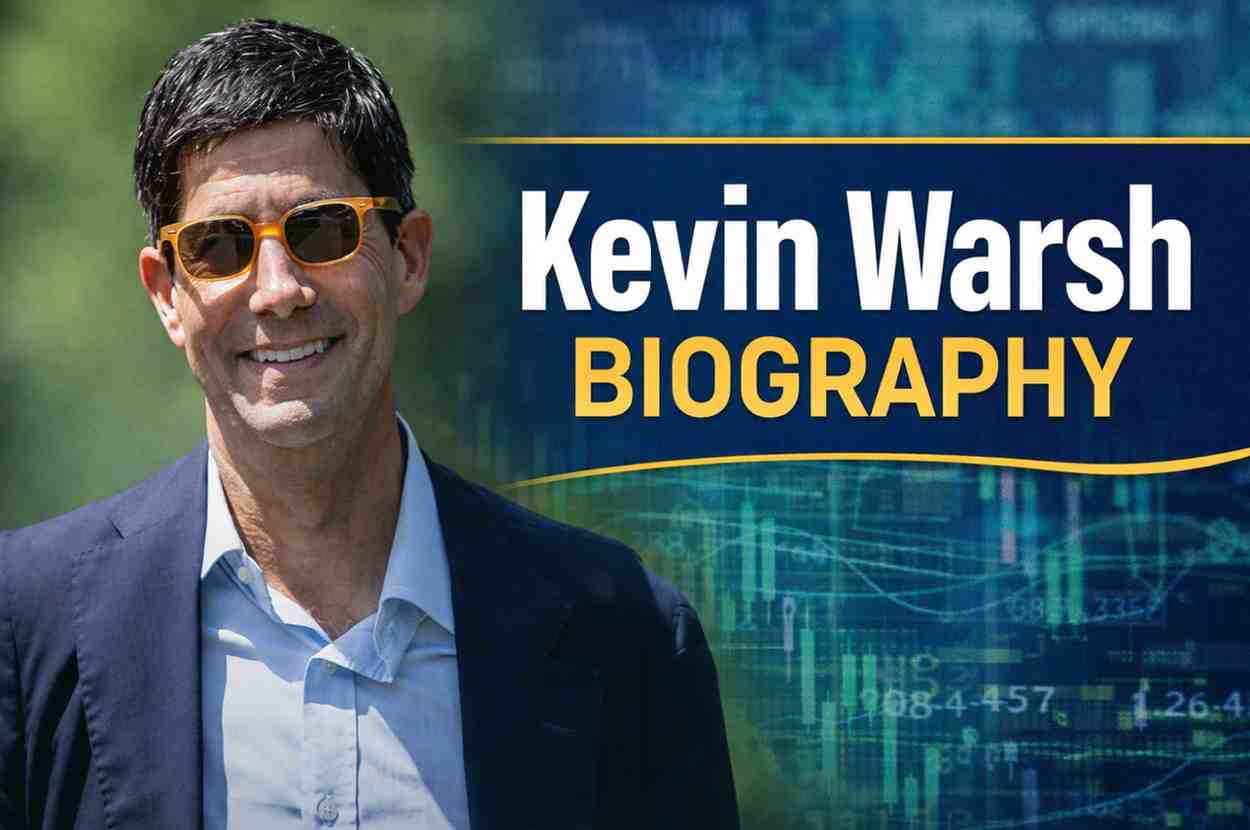
Kevin Warsh just moved a massive step closer to the most powerful economic seat on the planet. The Senate Banking Committee finally set the stage for his confirmation hearing, signaling that the political roadblocks aren't as sturdy as some expected. If you've been watching the markets lately, you know this isn't just another bureaucratic shuffle. It's a fundamental shift in how the United States might handle its money, its debt, and its inflation targets for the next decade.
People keep asking why this specific nomination matters so much. Most Fed picks are academic types who blend into the background. Warsh is different. He's a former Fed governor with Wall Street roots and a reputation for being a hawk. His path to this hearing hasn't been easy, but clearing this hurdle means the Senate is ready to stop posturing and start debating his actual vision for the economy.
The Senate Hearing Milestone and Why It Matters
The decision to move forward with a hearing doesn't guarantee a confirmation, but it's the gatekeeper moment. For months, critics have tried to paint Warsh as too tied to political interests or too aggressive on interest rate hikes. By scheduling this hearing, the committee is admitting those arguments haven't killed his candidacy. It's a signal to the White House and the Treasury that the momentum is real.
Warsh has always been a bit of an outlier in the central banking world. He doesn't just look at charts; he looks at how markets actually breathe. During the 2008 financial crisis, he was the guy on the phone with the big banks while others were still crunching outdated data. That experience is exactly why his return to the Fed is so polarizing. You either want a battle-tested veteran who knows where the bodies are buried, or you fear he'll be too cozy with the industry he's supposed to regulate.
Breaking the Fed Consensus
The current Federal Reserve operates on a culture of consensus. They like to speak in one voice, often using "Fed-speak" to avoid rattling the cages of global investors. Warsh doesn't play that way. He's been vocal about the Fed's tendency to over-reach and its habit of keeping interest rates too low for too long.
If he gets the job, the era of predictable, slow-motion policy might be over. Warsh often argues that the Fed has become too much of a "central planner" rather than a neutral referee. He wants the market to set prices, not a group of Ph.D.s in a mahogany room in Washington. That’s a radical departure from the status quo. It’s also why the upcoming hearing will likely be a firestorm of questions about his views on "quantitative easing" and whether he’ll pull the rug out from under the stock market.
What the Markets Are Pricing In
Investors hate uncertainty, but they seem to be warming up to Warsh. Why? Because he's a known quantity. Even if he's tougher on inflation, he's predictable in his logic. When the news broke that his hearing was moving forward, we didn't see a massive sell-off. Instead, we saw a slight tightening in bond yields.
The smart money knows a Warsh-led Fed would likely focus on three things:
- Strengthening the dollar to maintain global dominance.
- Reducing the Fed's massive balance sheet, which still sits at trillions of dollars.
- Simplifying the regulatory thicket that makes it hard for smaller banks to compete.
Addressing the Political Pushback
Let's be real about the opposition. A lot of the noise coming from the Senate is about "independence." Lawmakers want to know if Warsh will take orders from the Oval Office or if he'll stand his ground when things get ugly. This is the standard script for any Fed nominee, but for Warsh, the stakes feel higher because of his personal relationships in high places.
His critics point to his past columns and speeches where he slammed the Fed for being too political. The irony is that those same critics are now using politics to try to block him. He’s going to face intense questioning about his stance on the "dual mandate"—the Fed's job to balance low inflation with high employment. If he leans too hard into the inflation-fighting side, he’ll be accused of wanting to kill jobs. If he’s too soft, he’s failing his own principles.
The Real World Impact of a Warsh Appointment
If you're sitting at home wondering how a Senate hearing in D.C. affects your mortgage or your 401(k), it comes down to his philosophy on "easy money." For the last fifteen years, we've lived in a world where the Fed stepped in to save the day every time the market hit a pothole. Warsh thinks that’s a mistake.
He believes that by "bailing out" the markets constantly, the Fed has created a bubble that eventually has to pop. A Warsh confirmation likely means higher-for-longer interest rates. It means your savings account might actually earn some interest for a change, but it also means your credit card debt and mortgage are going to stay expensive. He isn't interested in a "seamless" transition back to zero-percent rates. He wants a "normal" economy where money has a real cost.
Preparing for the Hearing Firepower
When Warsh sits at that witness table, expect the fireworks to start with his views on the Fed's transparency. He’s been a critic of the "dot plot"—that famous chart where Fed officials predict where rates will be in the future. He thinks it's a distraction that confuses the public more than it helps.
The Senate Banking Committee will grill him on his past votes during the Great Recession. They’ll dig up old speeches. They’ll try to trip him up on the nuances of labor participation rates. But Warsh is a seasoned communicator. He’s spent years preparing for this specific comeback. He knows the data, he knows the players, and he knows exactly how much power he's about to grab.
Watch the language used by the committee chair during the opening statements. If the tone is focused on his qualifications rather than his ideology, he’s in. If it’s an all-out assault on his "Wall Street ties," we’re in for a long, drawn-out fight that could leave the Fed leadership in limbo for months.
Next Steps for Following the Confirmation
The next few weeks are critical for anyone with skin in the game. You should be watching the specific date for the public testimony. That’s when the real volatility hits. Don't just read the headlines; look at the "Fed Funds Futures" to see how the market is betting on his first potential vote. If you're managing a portfolio, now is the time to check your exposure to interest-rate-sensitive stocks like utilities and real estate. A "Hawkish Warsh" isn't just a meme; it's a strategy that could redefine the American economy for the next decade. Keep an eye on the dissenters within the committee. If he can flip even two or three skeptics from the opposing party, the path to a full Senate vote becomes a sprint rather than a crawl.