If you think regional airports are just places to catch a crowded flight to a connecting hub, you're missing the bigger economic picture. The federal government recently committed up to $22.4 million to the Kelowna International Airport. This money isn't funding a fancy new coffee shop or a larger departure lounge. It is explicitly designed to unlock 165 acres of raw, undeveloped land on the eastern border of the runway, turning a patch of dirt into a high-powered industrial and aerospace park.
For years, industrial growth at YLW hit a hard ceiling. Companies that wanted to build hangars, maintenance facilities, or manufacturing plants ran into a glaring obstacle: nothing was there. The land lacked basic utilities entirely. Without water, sewer, electrical grids, communication lines, and stormwater management systems, those 165 acres might as well have been on the moon. This infusion of capital fixes that bottleneck directly, paving the way for heavy industrial transformation in the Okanagan.
Breaking Down the Infrastructure Reality
You cannot build an aerospace hub on empty dirt. Heavy aviation and industrial tenants require massive utility capacity. The federal funding covers the unglamorous, expensive engineering work that makes industrial development possible in the first place. We are talking about heavy-duty underground infrastructure. Water mains, high-voltage electrical hookups, and dedicated stormwater runoffs have to be engineered specifically to handle industrial-grade loads.
The project follows a phased rollout. Phase one will service roughly one-third of the available land footprint. That pragmatic approach ensures that early tenants can move in and start building while engineers continue scaling infrastructure across the remaining acreage. Two-thirds of the site remain ready for future commercial and industrial tenants. Construction crews are scheduled to break ground in the spring of 2027, with the initial phase wrapping up by late 2028.
This project also highlights how municipal ownership changes the playbook. YLW holds the distinction of being Canada's largest municipally owned and operated airport. Because the City of Kelowna manages the operations directly, local strategic priorities align tightly with regional economic diversification. Instead of waiting for distant corporate conglomerates to dictate land usage, local municipal leaders have spent years plotting how to transform these airport-adjacent grounds into a permanent employment engine.
Attracting Heavyweights to the Tarmac
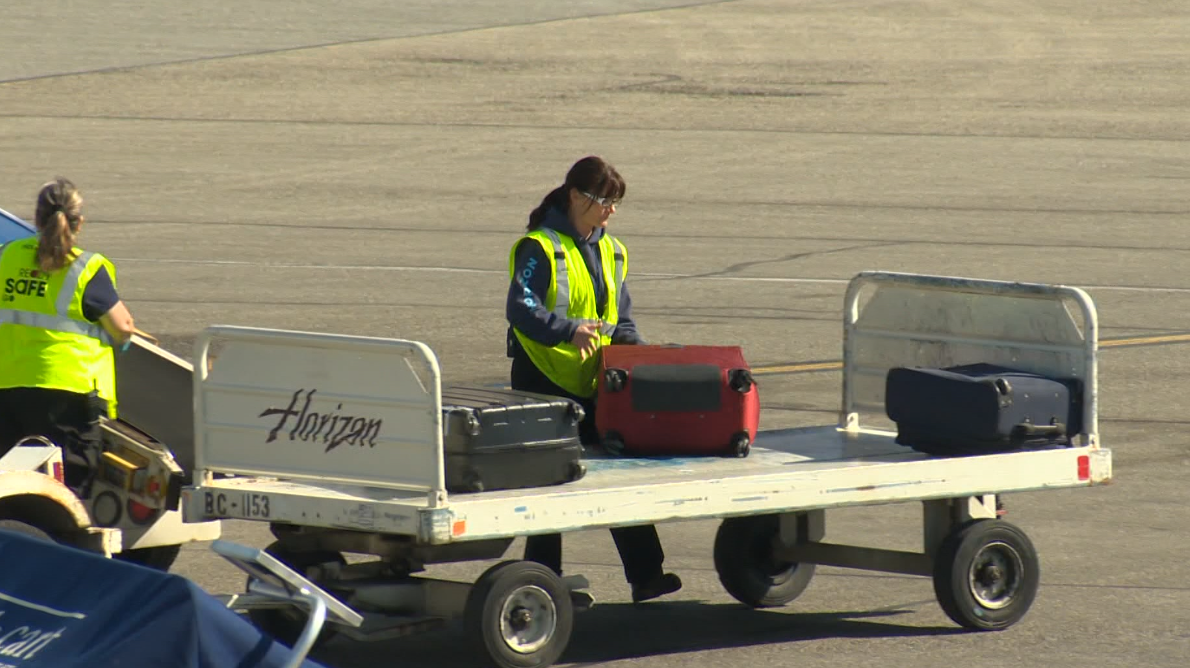
Aviation companies don't just set up shop anywhere. They need direct, unhindered access to active runways. The eastern expansion at Kelowna creates a runway-accessible industrial park, meaning tenants can taxi aircraft directly from private hangars onto active tarmac infrastructure. That kind of logistical setup is rare for mid-sized interior markets, and major players have already taken notice.
De Havilland Canada, Wildcat Helicopters, and FireSwarm Solutions—an innovative firm specializing in autonomous firefighting drones—are already in active discussions or lining up space on the site. For a regional operator like Wildcat Helicopters, expanding onto this land means scaling up their workforce and operational capabilities without running out of physical room. For a giant like De Havilland, having a dedicated foothold in the BC interior provides a strategic manufacturing and maintenance advantage that coastal hubs simply cannot match due to high land costs and urban congestion.
The physical proximity to the runway eliminates transit friction. When you service aircraft, test specialized equipment, or deploy aerial firefighting fleets, every minute saved getting from a workshop to the asphalt matters. This industrial park turns that logistical headache into a competitive edge.
The Regional Job Wave and Talent Pipelines
Infrastructure announcements always come with big employment numbers, but this one carries weight because of the specific sector involved. Officials project that the full development of the 165-acre parcel could generate roughly 2,700 additional jobs. These aren't minimum-wage retail positions inside a terminal building. These are high-skilled, high-paying technical careers in aviation maintenance, aerospace engineering, advanced manufacturing, and drone technology.
You cannot conjure a specialized aerospace workforce out of thin air. That reality explains the crucial timing behind localized educational investments. Okanagan College's new aerospace training facility is expected to open its doors around 2027, aligning directly with the arrival of the airport's new infrastructure. Local students won't have to leave the Okanagan to train for specialized aerospace technician roles. They can learn the trade locally and walk right out of the classroom into an entry-level position at one of the new hangars rising along the east side of the runway.
This creates a self-sustaining local ecosystem. Industry attracts talent, training programs supply talent, and a skilled workforce attracts even more corporate investment. It breaks the traditional cycle where smaller interior cities lose their best young minds to coastal tech and aviation centers.
Navigating the Challenges of Regional Airport Growth
Growth brings friction. Municipal airports operating outside major metropolitan cores face unique financial and logistical constraints. While major international hubs like Toronto Pearson or Vancouver International rely on massive global passenger volumes and private equity models, regional airports depend heavily on a mix of municipal backing, airport improvement fees, and targeted federal infrastructure partnerships.
Balancing community growth with environmental and noise regulations in the Okanagan valley requires careful planning. Industrial parks generate traffic, heavier vehicle loads on surrounding arterial roads, and increased industrial activity near residential boundaries. City planners have to ensure that stormwater management doesn't disrupt local ecosystems and that transportation networks surrounding the airport can handle the influx of thousands of daily workers.
Yet, the risk of standing still is far worse than the friction of expansion. Communities that fail to invest in industrial land find themselves economically stagnant, dependent entirely on tourism or seasonal retail. By betting big on aerospace, Kelowna is diversifying its economic foundation away from vulnerable sectors and building a resilient, high-value industrial base.
The dirt on the east side of the runway won't look like empty brush for much longer. As utility lines go into the ground and hangars begin to take shape over the next few years, this multi-million dollar gamble will prove whether a mid-sized interior airport can successfully transform into an international aerospace contender. The land is unlocked. Now the real work begins.