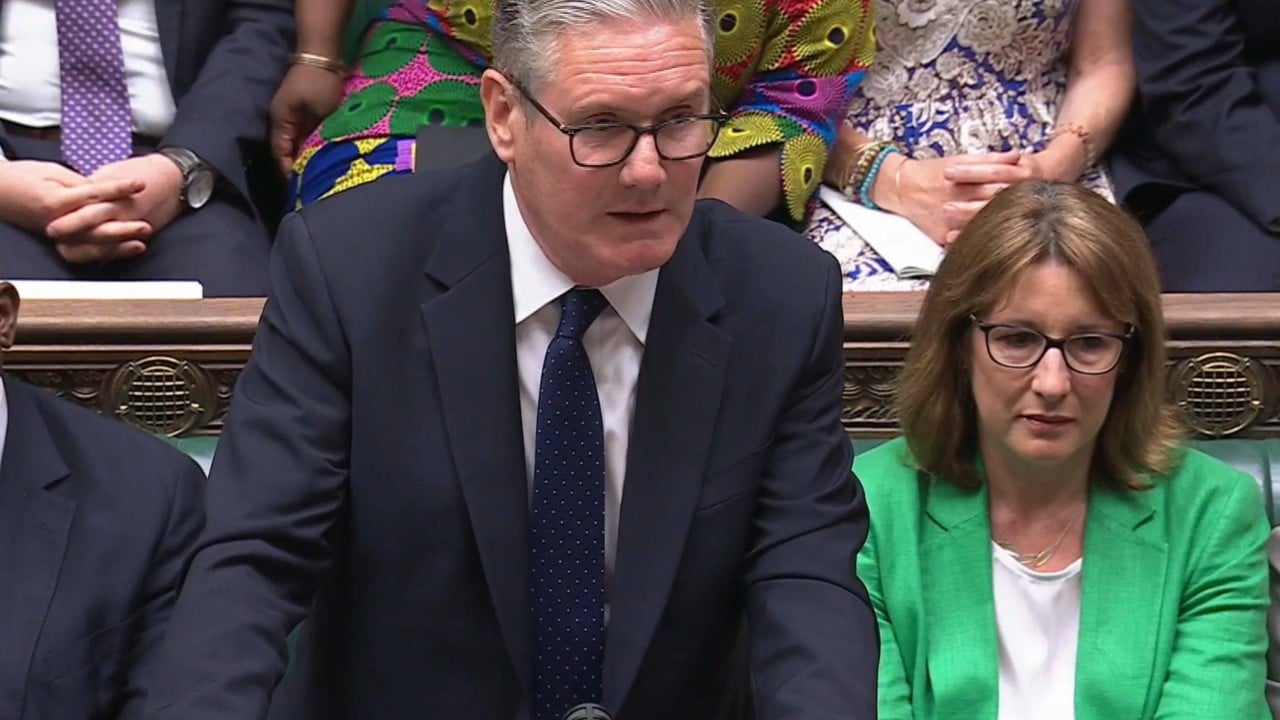
Power is brutal. One day you’re standing on the steps of Downing Street with a historic majority, and the next you’re saying goodbye to a half-empty chamber that’s already looking past you.
Keir Starmer just took his final bow at Prime Minister’s Questions (PMQs). For a man who led the Labour Party from its worst defeat in 2019 to an absolute landslide in 2024, his exit is remarkably abrupt. He stood at the dispatch box, his voice cracking slightly, and declared to a suddenly quiet House of Commons, "This is the end of my political journey". For another perspective, consider: this related article.
By Monday, he’ll walk to Buckingham Palace, hand his resignation to King Charles III, and clear the way for Andy Burnham.
How did we get here so fast? Two years ago, Starmer looked untouchable. Today, he’s a caretaker prime minister handed his marching orders by his own party. It’s a spectacular fall that reveals a harsh truth about modern British politics: voters have zero patience, and a landslide majority doesn't buy you time anymore. Similar reporting on this matter has been shared by Reuters.
The House of Commons Softens for a Dying Premiership
The final PMQs for any departing prime minister is always a strange, slightly surreal spectacle. The usual tribal warfare and screaming matches get replaced by polite nods, forced smiles, and awkward jokes.
This session was no different. Opposition leader Kemi Badenoch traded her typical razor-sharp attacks for a gentler line of questioning. She even asked Starmer if the country deserved a televised debate between Reform UK’s Nigel Farage and the satirical candidate Count Binface ahead of the upcoming Clacton by-election.
Starmer’s response was quick: "My advice to everyone is: put your vote in the bin".
"Every prime minister knows when they take up the torch that the day will come when they have to pass it on. That day has come for me."
— Keir Starmer, July 15, 2026
But underneath the jokes and the warm tributes, the reality of Starmer’s departure was impossible to ignore. Badenoch delivered a blunt reminder to the Labour benches behind him. She warned them that changing their leader isn't a "silver bullet" and that their real troubles are only just beginning. She’s not wrong.
Defending a Record Under Fire
Starmer didn't use his final moments to apologize. Instead, he mounted a fierce, almost defensive validation of his two years in Downing Street.
When pushed on why he once claimed that pulling the levers of power in government yielded no results, he snapped back with a list of achievements. He pointed to:
- Stabilizing a volatile post-Tory economy.
- Bringing NHS waiting lists down at the fastest rate in 17 years.
- Direct investment into tackling child poverty.
- Restoring Britain’s international standing, particularly with his early and unwavering support for Ukraine.
"I am proud to leave this country in better shape than I found it," Starmer insisted.
But the public, and indeed his own party, didn't see it that way. The truth is that Starmer’s government was bogged down by a sluggish economy, an ongoing cost-of-living crisis, and a series of damaging political unforced errors. The decision to appoint controversial figures to key diplomatic roles and a perceived lack of clear direction left voters feeling cold.
When Labour got hammered in May’s local elections, the writing was on the wall. The party panicked. Starmer, recognizing he had lost the dressing room, announced he would step down to allow an orderly transition.
The Andy Burnham Era Begins
On Monday, Andy Burnham will take the keys to Number 10. The former Mayor of Greater Manchester, often dubbed the "King of the North," represents a massive shift in style and substance for Labour. Burnham is a retail politician through and through. He’s charismatic, comfortable in front of a camera, and carries a populist streak that Starmer, with his dry prosecutorial style, could never replicate.
But Burnham is inheriting a logistical nightmare. The economic landscape remains incredibly tight, public services are still on life support, and he has to manage a parliamentary party that has just tasted blood by forcing out their own leader.
Burnham won't even face his first PMQs until September, as Parliament rises for summer recess. That gives him a few weeks to draw up a plan, but the honeymoon period will be nonexistent.
A Quiet Exit
As the session drew to a close, Starmer turned to the gallery where his wife, Victoria, and his two teenage children were watching. His voice faltered.
"To my wife and children, I love you. Goodbye," he said.
The room erupted into a standing ovation. It was a dignified end to a political career that, love him or hate him, reshaped the British left. He dragged Labour from the brink of political irrelevance to the seat of power.
But in politics, gratitude has a very short shelf life. Starmer’s legacy will now be judged not by how he won, but by how quickly he lost the power he worked so hard to secure.
If you want to understand the sheer human weight of this transition, watch the key exchanges from the dispatch box. You can see the full body language of a leader realizing his time is up in this overview of Starmer's final PMQs, which captures the rare moment of bipartisan warmth before the reality of Burnham's upcoming premiership takes over.