Five days. That's all it took for Katie Zacharia to go from White House podium to political punchline, setting an unwanted record as the shortest-serving press secretary in American history.
When President Donald Trump tapped Zacharia in mid-October 2026 to fill the vacancy left by Karoline Leavitt's late-August departure, it looked like another quick, television-friendly pick from the president's orbit. She had worked as a communications advisor for Trump Media and Technology Group since June 2026, appeared on conservative networks, and briefly served at the Department of Homeland Security earlier in the year. Yet by October 16, she was out—ousted after a shaky debut briefing and an immediate firestorm over her legal credentials.
Honestly, nobody in Washington expected a multi-year run from a last-minute midterm hire. Still, five days is blinking-fast even by the standards of modern White House turnover.
How a Five-Day Tenure Unraveled So Fast
A White House press secretary job doesn't give you a grace period. You step up to the James S. Brady Press Briefing Room on day one, and every single line gets dissected by reporters, cable pundits, and opposition researchers before your coffee cools.
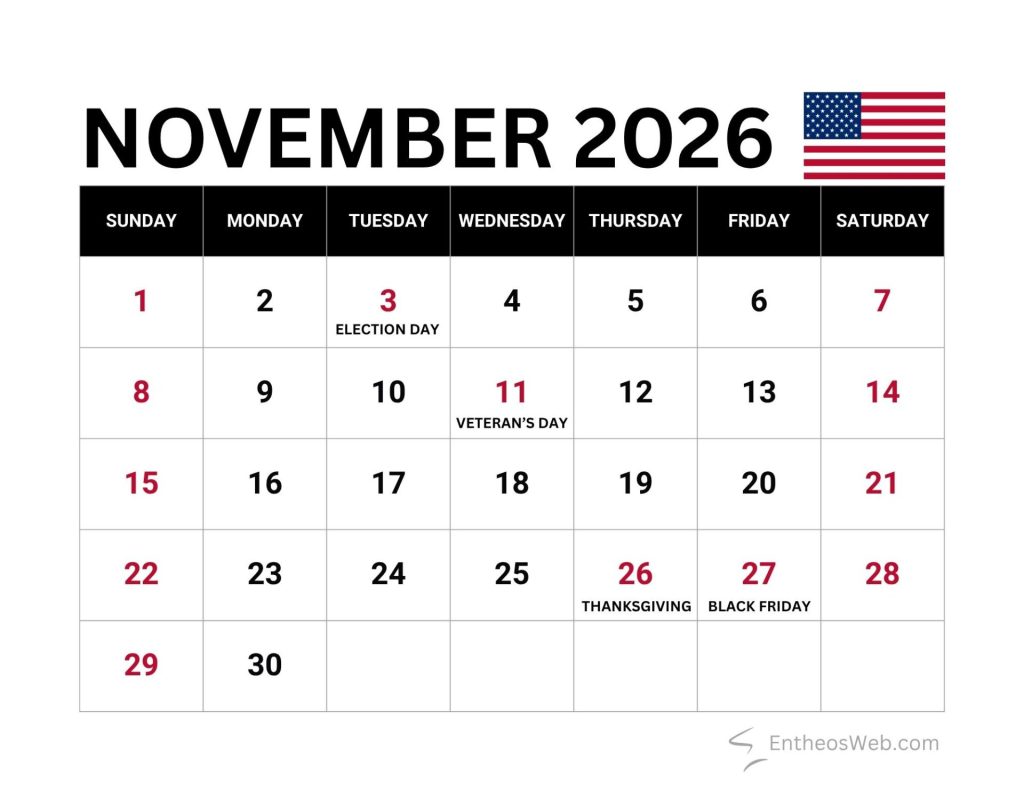
Zacharia held office from October 12 through October 16, 2026. Her sole formal briefing on October 13 lasted roughly 15 minutes. She walked through prepared talking points touting second-term administration accomplishments, including claims on prescription drug prices and upcoming midterm campaign stops in Georgia, Kentucky, and Florida. Then things got awkward fast.
She stumbled into a slip of the tongue when she referred to her husband as "the president". Worse, she wrapped up after taking questions from only three outlets—predominantly conservative ones—leaving the rest of the press corps staring at an empty podium. Critics across the political spectrum panned the performance.
Once the briefing ended, the real trouble started behind the scenes. Reports quickly zeroed in on how Zacharia had been described as "an attorney" when her appointment was announced. Although she earned a Juris Doctor from Pepperdine University School of Law in 2011, she hadn't passed the bar exam. When pressed about passing the bar, she gave reporters a head-scratching comment about moving to China, and by Thursday she acknowledged she hadn't passed the bar exam. On October 14, the watchdog group Campaign for Accountability filed a complaint with the State Bar of California asking for an investigation into whether presenting herself as a lawyer violated state law.
In communications work, credential blowups are brutal because they attack basic credibility. You can survive a rough answer on policy. You can't easily survive a dispute over whether you hold a professional title you claimed.
The Lawyer Controversy and Vetting Blind Spots
Let's be real about how high-pressure press shops fail. When a campaign or administration rushes to fill a high-visibility role weeks before midterm elections, basic background checks often get treated like a formality instead of a firewall.
In politics, having a law degree isn't the same as being a licensed attorney—and calling someone an attorney when they haven't passed the bar invites instant scrutiny the moment journalists pull state bar records. Add in past social media posts and commentary from her board role with the anti-abortion group White Rose Resistance, and opponents had plenty of ammunition within 48 hours of her first briefing.
| Detail | What Happened | Why It Mattered |
|---|---|---|
| Dates in Role | October 12–16, 2026 (five days) | Shortest press secretary stint in U.S. history, beating Anthony Scaramucci's 11-day run as communications director. |
| First Briefing | October 13, ~15 minutes, three outlets | Triggered bipartisan criticism and a memorable slip calling her husband "the president". |
| Bar Exam Scrutiny | Questioned on credentials; complaint filed Oct. 14 | Eroded trust right as midterms approached and forced an immediate crisis response. |
| Exit Framing | Trump urged her to "reconsider"; WH cited "transitioning" | Softened the public exit language, though she was out by Friday evening. |
From a strategic standpoint, the mismatch between expectations and readiness was glaring. Zacharia reportedly told Trump and others that the week had been far rougher than she anticipated. Stepping into the briefing room is a contact sport, and if you aren't battle-tested against hostile or skeptical questioning, five days can feel like five years.
Why Trump Pulled the Plug So Quickly
By Friday morning, October 16, the writing was on the wall. Speaking to reporters before heading out for a campaign event in Georgia, Trump signaled he had told Zacharia to "reconsider" staying in the job, saying she had been treated "pretty nastily" by the press and asking whether she even needed the headache.
By Friday evening, her departure was confirmed. White House officials framed it as Zacharia "transitioning into a new role" to be announced later, while Zacharia posted a warm note on social media praising Trump and calling it an honor to serve. That "transitioning out" phrasing is classic Washington spin—polite cover for an abrupt firing.
As reported by outlets including The Guardian and Al Jazeera, political analysts noted that cutting losses fast avoided dragging out a distracting story right before November. Still, the episode highlighted a recurring vulnerability: when an administration relies heavily on loyalists or media surrogates without thorough vetting, a single credential flaw can sink an appointment in days.
Zacharia didn't vanish from public view afterward. Weeks later, in November 2026, she drew fresh headlines during a combative Newsnight interview with the BBC over midterm results and an Alaska Senate race ballot dispute.
What This Episode Teaches About High-Stakes Messaging
Whether you're running a White House press shop or leading corporate communications during a product crisis, the mechanics are surprisingly similar. Speed matters, sure—but accuracy and composure keep you in the chair.
If you're hiring or preparing someone for high-stakes public speaking, take three practical steps before putting them near a microphone:
- Audit every bio claim on paper first. Check bar admissions, licenses, degrees, dates, and past public statements before announcing a title. Never let a "close enough" label like "attorney" slip into an announcement if licensing isn't active.
- Run brutal mock briefings. Put candidates through unscripted follow-up questions on their weakest talking points and personal history, not just friendly softball lines.
- Set clear rules for calling on reporters. Taking only a handful of friendly questions might feel safe in the moment, yet it almost always fuels stories about evasion rather than calming the room.
Five days in the briefing room proved one thing beyond doubt: loyalty alone won't carry you through a credibility storm when the lights come on.