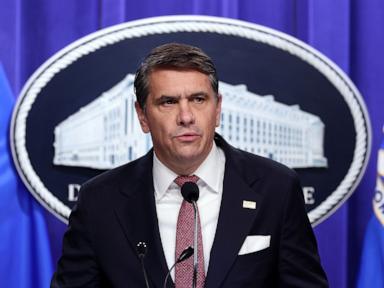
The era of federal prosecutors looking the other way when journalists handle leaked secrets is over. If you're a reporter holding a thumb drive full of classified military plans, the Department of Justice isn't just coming for the leaker anymore—it's coming for your records. Acting Attorney General Todd Blanche made that reality crystal clear this week. He didn't mince words. He basically told the press to stop acting shocked when a process server knocks on the door.
This isn't just a tough-talk press conference. It’s a total reversal of how Washington has functioned for the last few years. We’re seeing the fallout from a massive investigation into the Wall Street Journal’s reporting on the war with Iran. The DOJ wants to know who told the Journal that the Pentagon warned the President about the risks of that campaign. Blanche’s stance is simple: if you have info on a "criminal" leaker, you’re a witness. And witnesses get subpoenaed. Also making headlines in this space: The Indo-Iranian Strategic Pivot Analysis of the BRICS Expansion Framework.
The end of the media shield
For a long time, there was a sort of "gentleman's agreement" in D.C. Reporters would protect sources, and the DOJ would generally avoid the PR nightmare of hauling journalists into court. The Biden administration even codified this, making it incredibly hard for prosecutors to seize phone records or emails from the press.
That shield has been smashed. More insights on this are detailed by NPR.
Last year, the DOJ under Pam Bondi rescinded those protections. Now, Todd Blanche is putting that new policy into practice with aggressive precision. He’s arguing that national security outweighs the "privilege" of newsgathering. When Blanche says the media shouldn’t be surprised, he’s pointing to a shift where the journalist is viewed less as a watchdog and more as a link in a criminal chain.
Why the Wall Street Journal is the first target
The current firestorm centers on a February 23 article. The Journal reported that the Chairman of the Joint Chiefs of Staff gave President Trump a blunt warning about staying in Iran. Shortly after, the subpoenas started flying.
- The March 4 Subpoena: The Journal received demands for reporter records just weeks after the story broke.
- The Treason Sticky Note: Reports suggest the President himself pushed for this, allegedly flagging articles with a note that simply said "Treason."
- The Scope: It’s not just one outlet. Several newsrooms that covered the Pentagon’s internal friction are likely in the crosshairs.
Blanche’s logic is that these leaks put soldiers' lives at risk. If a reporter knows who the leaker is, that reporter is standing in the way of a national security investigation. Honestly, it’s a legal logic that hasn't been used this aggressively since the early days of the war on terror.
How the rules of the game changed
If you're wondering how this is legal, you have to look at the Privacy Protection Act and how it’s being interpreted now.
While the law generally protects "work product," there are huge exceptions for national security and "interests of justice." The current DOJ is leaning hard into those exceptions. They aren't saying they want to jail reporters for writing stories. They're saying they need the reporter’s metadata to catch the person who broke their nondisclosure agreement.
It sounds like a small distinction, but it’s the difference between a free press and a monitored one. By targeting the records, the government can find the source without ever having to put a journalist on the stand in front of a jury. It’s cleaner, quieter, and much more effective at chilling future leaks.
What this means for future reporting
We've already seen the FBI search the home of a Washington Post reporter earlier this year. They took laptops, phones, and even a Garmin watch. That wasn't an isolated incident; it was a blueprint.
The immediate result is going to be a massive shift in how "deep state" reporting happens. Sources are going to be terrified to talk. Reporters are going to have to go back to old-school, analog methods—parking garages and hand-written notes—because any digital footprint is now a liability.
If you’re a journalist or even a high-level whistleblower, you need to understand that the old safeguards are gone. The DOJ is no longer worried about the optics of "attacking the press." They're worried about the leaks, and they've decided the fastest way to plug the hole is to go through the person holding the bucket.
Steps for protecting information
If you're handling sensitive information in this environment, stop relying on the idea that your "press credentials" will protect your hardware.
- Assume the subpoena is coming: Don't wait for the legal department to tell you you're at risk. If your story relies on classified documents, the DOJ is already looking at your metadata.
- Encryption isn't a cure-all: Blanche and his team have shown they’re willing to seize physical devices. Encryption helps, but it won't stop a search warrant from taking your phone for three months.
- Minimize the trail: The best way to protect a source is to never have their digital ID in your contacts or your call logs to begin with.
The bottom line is that the Department of Justice has officially changed its posture. They aren't asking for cooperation anymore; they're demanding it through the courts. Sounding the alarm about "First Amendment rights" might win points in an op-ed, but it’s not stopping the subpoenas from landing on desks in newsrooms across the country.
Understanding the Privacy Protection Act
This video provides a breakdown of the legal background and the figures currently leading the Justice Department's new approach to media relations.