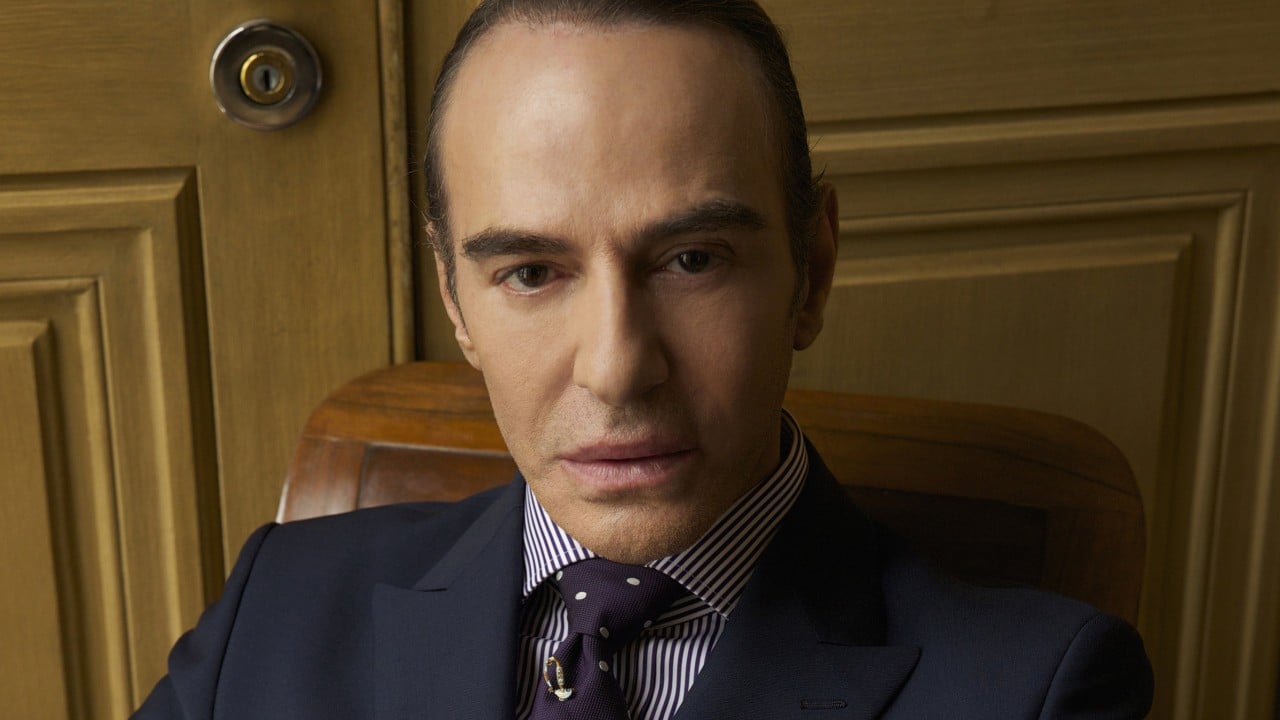
Fashion memory is notoriously short, until it isn't. Designer John Galliano just learned that high-profile artistic rehabilitation has strict limits when colliding with real-world community trauma.
Galliano officially withdrew from his upcoming spring Costume Institute exhibition at the Metropolitan Museum of Art. The retrospective, planned to launch alongside the 2027 Met Gala, collapsed under the weight of intense, mounting backlash from Jewish leaders, museum donors, and public officials.
You cannot separate a creator's archive from their actions. The museum tried to thread an impossible needle, but the pressure proved insurmountable.
The Ghosts of 2011 Still Haunt the Runway
To understand why this exhibition triggered such fury, you have to look back at the events that blew up Galliano's career fifteen years ago. In 2011, a video surfaced showing the designer shouting antisemitic and racist remarks at patrons in a Paris cafe. He declared "I love Hitler" and hurled vile abuse about gas chambers at Jewish customers. Additional anti-Asian comments emerged from separate incidents around the same timeframe.
A French tribunal subsequently convicted him of hate crimes, resulting in fines. Christian Dior swiftly fired him, and the global fashion elite froze him out.
For a long time, the industry acted like it never happened. Galliano quietly returned to design work at Maison Margiela in 2014, earning applause from editors and stylists who viewed his penance as complete. Documentaries charted his redemption. Insiders whispered that his creative genius outweighed his past ugliness. The Met assumed enough time had passed. They were wrong.
When Institutional Ambition Meets Public Outrage
When the Met announced the planned retrospective titled "John Galliano: Horizons", museum leadership believed they had done their homework. Curators spoke with select community leaders beforehand, hoping to frame the exhibit as an honest examination of a complex artistic legacy.
It completely backfired.
Critics pointed out that honoring a convicted purveyor of hate speech with one of the culture world's highest accolades sent the wrong message, especially during a period marked by rising antisemitism globally. New York City Council Speaker Julie Menin led the charge against the institution, calling the decision a gut punch to the Jewish community. Major donors threatened to pull financial support entirely.
Museum director Max Hollein and Galliano released a joint statement announcing the cancellation. Galliano stated that he did not want his presence to distract from the broader mission of the Costume Institute, admitting full accountability for the pain his past words caused Jewish and Asian communities.
The Limits of Fashion Redemption
Vogue editor Anna Wintour, a steadfast ally of Galliano, defended his choice to step back, praising his character. Yet, the swift unraveling of the exhibit proves a broader cultural shift.
Creating breathtaking clothes doesn't grant lifetime immunity from accountability. Museums hold public trust. When an exhibition sparks genuine distress among marginalized groups, institutional prestige rarely shields the project from collapse.
The Met must now pivot to an entirely new spring show for 2027. Meanwhile, the fashion world faces a stark reality check about who gets celebrated on the global stage.
Check your favorite brands and institutions for how they handle accountability. Support spaces that prioritize community safety over artistic nostalgia.
_(cropped).jpg)
