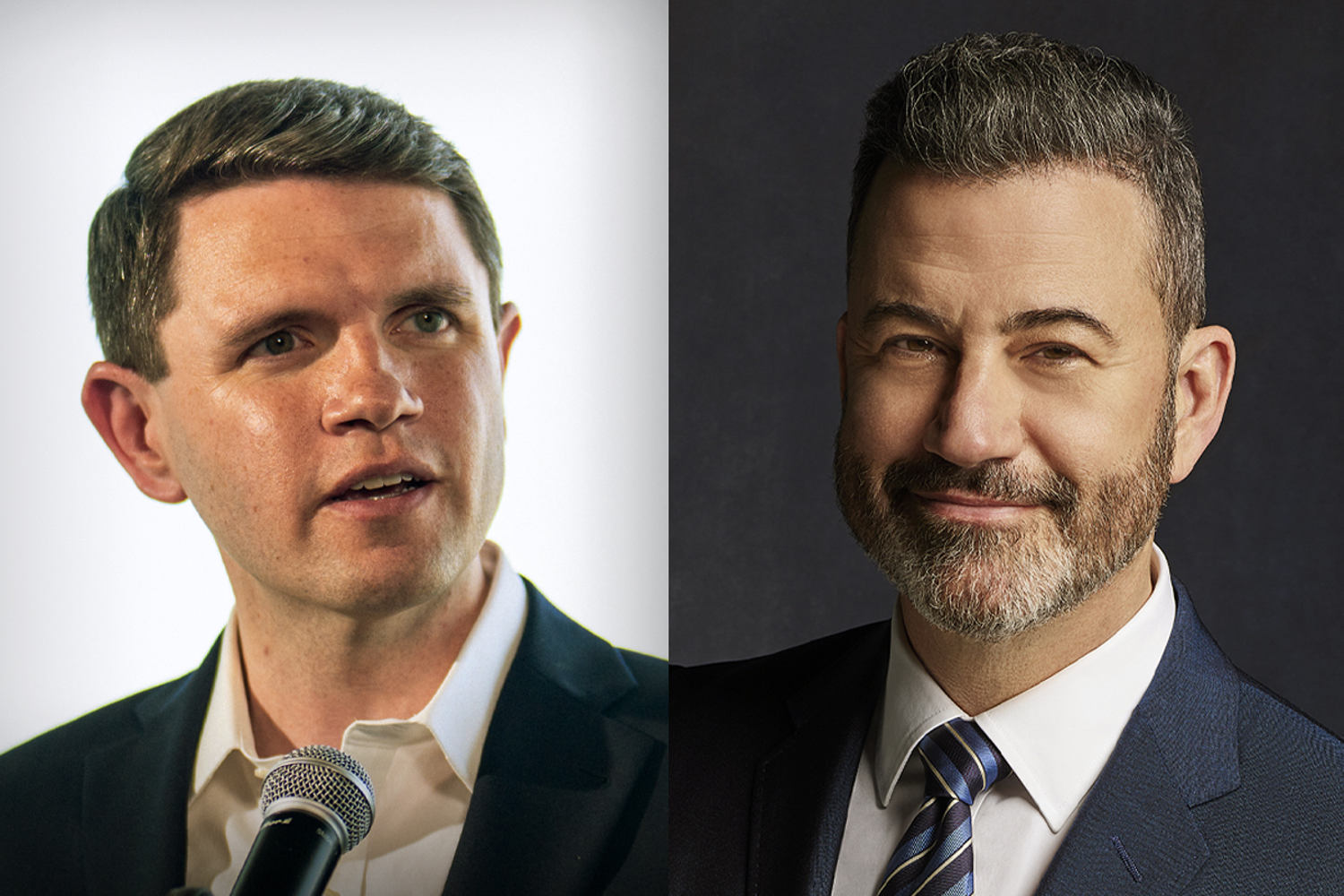
The media is eating up the easy villain. Jimmy Kimmel pulls a scheduled broadcast interview with Texas lawmaker James Talarico, points a theatrical finger at the Federal Communications Commission, and the internet erupts into predictable outrage over authoritarian government censorship.
Everyone wants to believe the state is lurking in the shadows, red pen in hand, dictating late-night rundowns. It makes for clean headlines. It fits the dystopian narrative.
It is also completely wrong.
The FCC did not break into the ABC studios, put a gun to executive heads, and force them to bench a politician. The real mechanism of modern self-censorship is far more boring, far more cowardly, and entirely market-driven. Broadcasters are not running scared from government regulators. They are running scared from their own balance sheets, their corporate overlords, and the terrified legal departments that protect media conglomerates from minor drops in stock value.
Blaming the FCC is a PR deflection. It lets corporate networks play the heroic rebel fighting a tyrannical state, while quietly bowing to the safest possible commercial denominator.
The Corporate Shield Disguised As Government Oppression
Let us look at how broadcasting actually works under the hood. I have spent enough time in production boardrooms to know that government regulators move at the speed of a glacier. They rarely issue sudden, preemptive fatwas against specific guests on late-night comedy shows.
The Equal Time Rule gets dragged out every election cycle like a tired prop. Networks love to pretend their hands are tied by strict equal-time obligations, as if booking one political guest forces them to hand over equal airtime to every fringe candidate running for dogcatcher in the state of Texas. That is a misinterpretation of the rule so convenient it has to be deliberate.
The Equal Time Rule applies to legally qualified candidates. It does not apply to documentary subjects, politicians discussing policy in non-campaign contexts, or standard talk show segments under standard news exemptions. Networks know this. Corporate legal teams know this.
So why pull the interview?
Risk mitigation. Disney, which owns ABC, is a multi-billion-dollar machine dependent on smooth regulatory approvals for mergers, global distribution rights, and steady advertising revenue. A corporate executive does not look at an FCC threat; they look at a potential headache. If a segment triggers a conservative boycott, a retaliatory FCC inquiry that takes six months of legal fees to clear, or a dip in ad spend from skittish corporate partners, the bean counters win.
Kimmel gets to look like a free speech martyr on social media, driving engagement numbers through the roof, while the network quietly eliminates any variable that might upset a potential advertiser in a red state. It is capitalism wrapped in a First Amendment flag.
The Myth of Neutral Platforms
We keep treating late-night television like it is still the public town square of 1992. It is not. It is a high-priced commercial real estate block designed to sell luxury cars, fast food, and insurance policies between monologue jokes.
When a network pulls an interview because of perceived regulatory heat, they are treating political discourse as a liability rather than a civic duty. But let us be honest about the inverse hypocrisy. If a conservative guest with controversial views gets bumped or heavily vetted, the outrage from the media class is deafening. When a progressive populist like Talarico gets benched out of corporate cowardice, the same media class blames the state instead of looking at the board of directors.
Nobody wants to admit that the primary censor in modern media isn't a government bureaucrat in Washington. It is the corporate risk officer in Burbank.
Imagine a scenario where a network executive wakes up, looks at the ratings, looks at the legal risk profile, and decides that keeping a politician off the air is simply cheaper than dealing with the noise. No politicians were harmed. No subpoenas were issued. Just a quiet calculus made in a windowless conference room where profit margins always trump free expression.
That is not tyranny. That is insurance.
Why the Outrage Machine Loves the FCC Boogeyman
The reflexive cry of "government censorship!" serves a dual purpose for both the network and the talent.
For the network, it shields them from internal accountability. If viewers are mad, direct that anger toward the federal government. It is an abstract enemy that cannot issue a refund or cancel a subscription directly.
For the talent, it turns a mundane booking cancellation into a badge of courage. It frames a standard corporate programming decision as a revolutionary act of defiance. Kimmel did not get canceled by the state. His bosses decided the juice wasn't worth the squeeze.
We need to stop buying the script. When media companies fold under the mildest commercial pressure, they do it voluntarily. They trade editorial integrity for institutional comfort every single day of the week.
Stop blaming the watchdog when the owners of the house are the ones locking the doors from the inside.