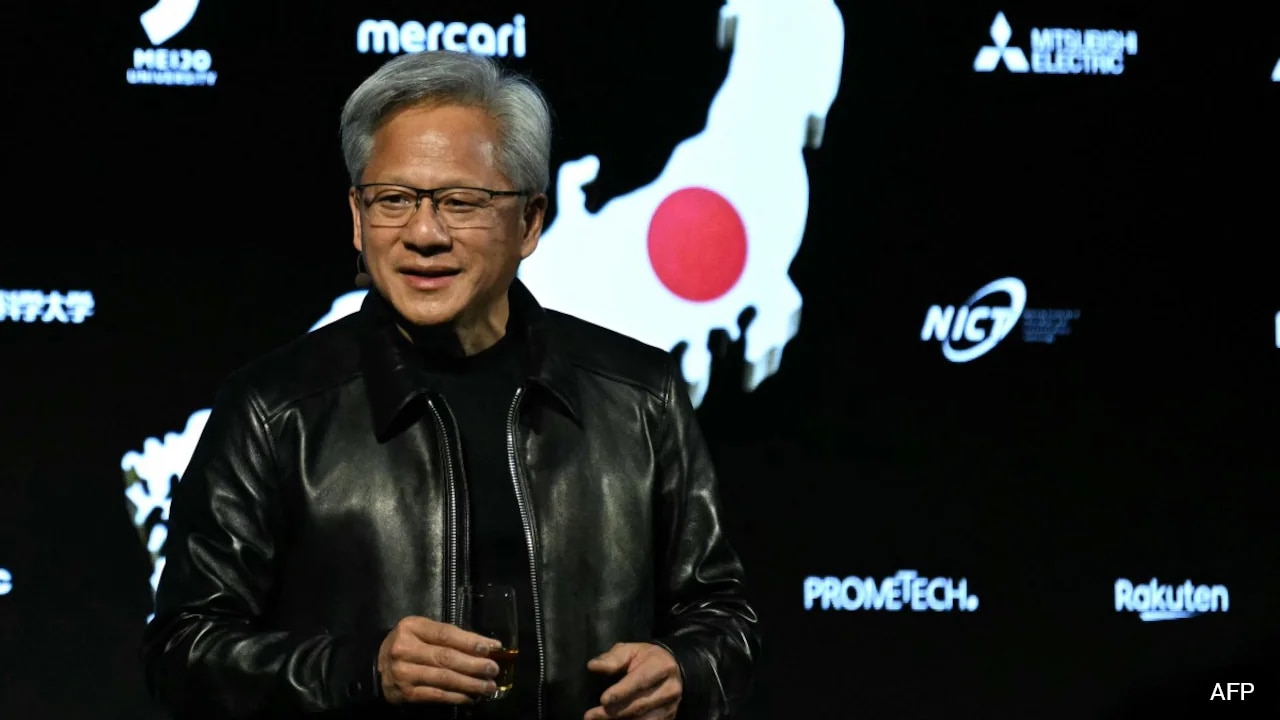
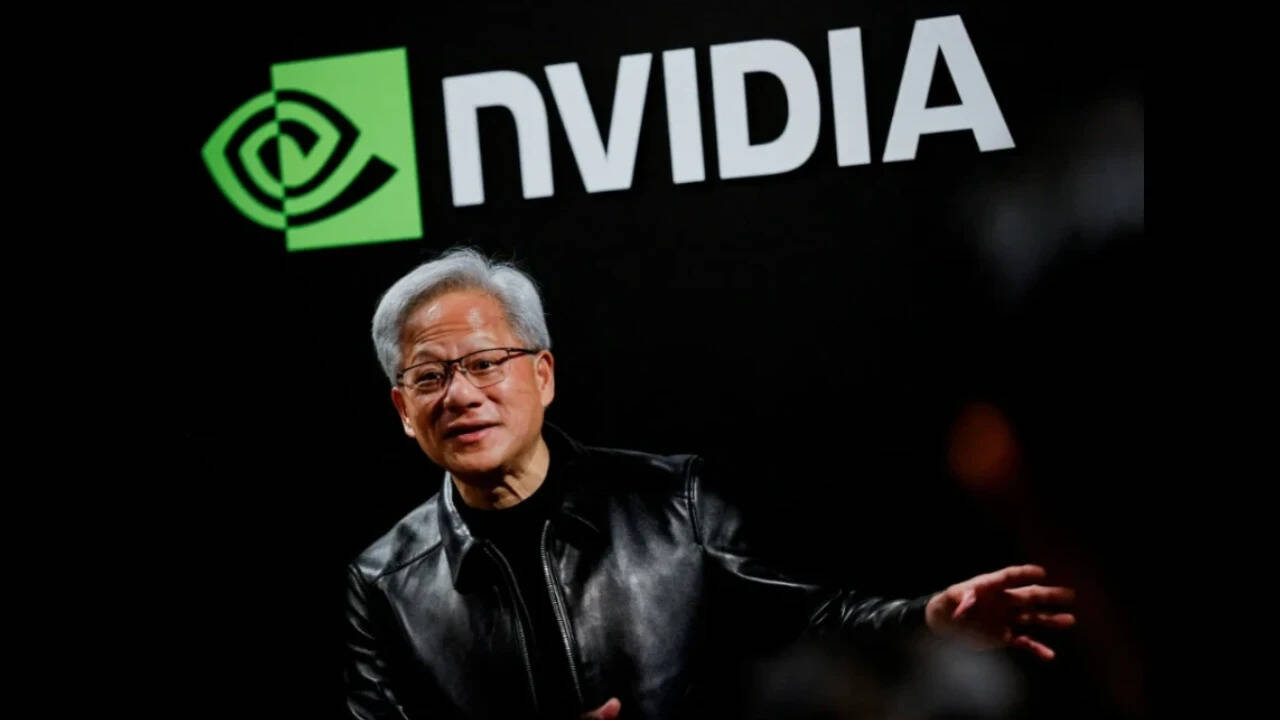
Jensen Huang has spent the last few years walking a political tightrope while turning Nvidia into a multi-trillion-dollar juggernaut. That balancing act gets way harder if Democrats win control of Congress.
Let's be clear about what's actually at stake here. Nvidia isn't just selling graphics cards to gamers anymore—it's the literal engine room of global artificial intelligence, national security, and corporate capital expenditure. When one CEO controls roughly 80% to 90% of the AI accelerator market, Washington doesn't just watch from the sidelines. They start drafting subpoenas, export restrictions, and antitrust inquiries. And right now, the political winds in Capitol Hill are shifting in a direction that could put Nvidia's entire business model under a microscope.
I've watched tech executives testify before Congress for years, and the pattern never changes. When a company grows too fast and accumulates too much market power, lawmakers eventually come knocking. For Huang, who famously avoided the D.C. lobbying circuit for years while Big Tech peers like Mark Zuckerberg and Sundar Pichai were getting grilled under bright committee lights, the bill is coming due.
The Antitrust Hammer Is Ready to Drop
You don't need a crystal ball to see where Democratic lawmakers are headed on competition policy. Over the past few years, progressive and mainstream Democrats alike have pushed aggressively against market consolidation in tech. Nvidia's dominance in AI chips makes it an obvious target.
Think about how Nvidia operates right now. It doesn't just sell the H100, H200, or Blackwell GPUs. It locks developers into CUDA, its proprietary software ecosystem. Once an engineering team builds its AI infrastructure on CUDA, switching to AMD or custom silicon from Google or Amazon becomes an expensive, painful nightmare.
Democratic chairs on the House Judiciary Committee and the Senate Antitrust Subcommittee have spent years scrutinizing exact setups like this. They call it bundling and anti-competitive lock-in. If Democrats hold the gavel in either chamber, expect immediate hearings examining whether Nvidia uses its hardware monopoly to crush software competitors and force cloud providers into unfavorable allocation deals.
- Allocation pressure: Cloud startups and smaller AI labs have quietly complained for months about how Nvidia distributes scarce chips, alleging that companies building competing hardware get pushed to the back of the line.
- Software bundling: Regulators in both the U.S. and Europe have already started poking around Nvidia's acquisition of Run:ai and its networking gear strategy, questioning if buying InfiniBand and Ethernet leaders was designed to squeeze out rivals.
- Pricing power: When gross margins sit north of 70%, politicians love to ask whether a company is innovation-driven or just price-gouging American businesses and universities.
The Department of Justice already opened an antitrust probe into Nvidia's business practices, and a Democratic-led Congress won't let that investigation sit quietly in a basement file cabinet. They'll turn it into prime-time political theater, forcing Huang to defend every single contract under oath.
China Export Controls Will Tighten Even Further
If antitrust is a slow-moving headache, China policy is an immediate financial threat. Before Washington clamped down on advanced semiconductor exports, China accounted for roughly 20% to 25% of Nvidia's data center revenue. Huang worked tirelessly to build custom, watered-down chips—like the A800, H800, and later the H20—specifically engineered to stay just below U.S. Commerce Department performance thresholds.
Honestly, lawmakers on both sides of the aisle hated that workaround. They viewed it as a blatant attempt to skirt national security rules for short-term profit.
Under a Democratic congressional majority, the tolerance for corporate loopholes on AI hardware shrinks to near zero. Key Democratic voices on the House Select Committee on the Chinese Communist Party and the Senate Foreign Relations Committee have repeatedly argued that any advanced compute sold to Chinese firms ends up aiding military modernization or surveillance states.
If Democrats control the legislative agenda, Huang faces three brutal realities on trade:
- Closing the spec loopholes: Congress can pass statutory mandates that strip the Commerce Department of wiggle room, banning chips based on total processing performance or memory bandwidth regardless of how Nvidia tweaks the interconnects.
- Cloud access restrictions: Lawmakers are already eyeing rules that would force U.S. cloud providers—who buy billions in Nvidia chips—to verify customer identities and block Chinese entities from renting Nvidia compute remotely.
- Supply chain disclosures: Expect new reporting requirements forcing chipmakers to trace exactly where their GPUs end up, cracking down on the gray-market smuggling networks moving high-end Nvidia servers through Southeast Asia and the Middle East.
Huang has warned publicly that cutting off the Chinese market permanently damages American tech leadership by handing local competitors like Huawei a captive domestic market to subsidize their R&D. He's probably right about the economics. Politicians in Washington don't care about his spreadsheet when national security hawks are running the committee hearings.
Energy Grid Scrutiny and AI Data Center Backlash
Here's an angle most Wall Street analysts completely miss when looking at Nvidia's political risk. AI doesn't run on magic. It runs on massive amounts of electricity and water.
Every Blackwell rack Nvidia ships pulls staggering amounts of power—up to 120 kilowatts per rack in dense configurations. Across Virginia, Texas, Ohio, and the Pacific Northwest, hyperscalers are building gigawatt-scale data centers filled with Nvidia silicon, straining local power grids and driving up utility costs for regular voters.
Democrats care deeply about climate targets, grid reliability, and consumer utility bills. When constituents start seeing higher electric bills because a massive AI cluster moved in down the road, Democratic representatives start asking tough questions about who's subsidizing whom.
We're already seeing early legislative pushes requiring big tech companies to fund their own clean energy generation and disclose water usage. If Democrats control Congress, expect federal oversight hearings targeting the environmental footprint of AI compute. Huang will find himself answering why Nvidia's hardware roadmap demands so much power—and whether taxpayers are footing the bill for grid upgrades that primarily benefit Silicon Valley shareholders.
AI Safety Mandates and Compute Thresholds
Remember the debates around federal AI regulation? While executive orders can be rewritten or watered down depending on who sits in the White House, legislation passed by Congress sticks.
Democratic lawmakers have consistently favored stricter guardrails around frontier AI models, algorithmic bias, and copyright protections for creators. Because tracking software code is nearly impossible, regulators have settled on a simple metric to police AI development: compute. Specifically, the sheer number of floating-point operations (FLOPs) used to train a model.
And who sells the hardware that measures those FLOPs? Nvidia.
If a Democratic Congress revives federal AI safety legislation, chipmakers sit right at the chokepoint of enforcement. Lawmakers have floated proposals requiring hardware manufacturers to build physical tracking mechanisms—sometimes called "on-chip governance" or telemetry—directly into high-end GPUs. These features would verify where chips are located, prevent unauthorized clustering, or cap compute runs without federal reporting.
For an engineering-obsessed CEO like Huang, the idea of letting politicians dictate hardware architecture is a nightmare. Adding government-mandated kill switches or tracking modules slows down product cycles, increases costs, and makes American chips less attractive to international buyers in Europe and Asia who don't want Washington peeking inside their data centers.
What Investors and Tech Leaders Should Watch Right Now
You shouldn't panic-sell your tech portfolio over political headlines, because Washington moves slowly and Nvidia's technological lead remains massive. Still, ignoring the regulatory overhang is naive. The era where Huang could simply show up at Computex in a leather jacket, announce a faster chip, and watch the stock soar without political pushback is over.
If you're tracking Nvidia's business or building your own company around its hardware, pay attention to three concrete signals over the next few months:
- Watch Nvidia's D.C. lobbying spend: Look at quarterly federal disclosure filings. A sudden spike in lobbying dollars and hires from former Democratic committee staffers tells you Nvidia knows a storm is coming and is trying to buy insurance before the subpoenas drop.
- Monitor cloud provider custom silicon: Keep a close eye on how aggressively Amazon (Trainium), Google (TPU), and Microsoft (Maia) ramp up internal chip deployments. If Congress makes Nvidia's life harder on pricing or bundling, hyperscalers will use that political cover to shift workloads away from CUDA faster than Wall Street expects.
- Track sovereign AI deals: Notice how Huang has been jetting around to India, Japan, France, and the Middle East pitching "Sovereign AI." That isn't just a sales strategy—it's geopolitical hedging. By making foreign governments dependent on Nvidia infrastructure, Huang is building international leverage to counter pressure from Capitol Hill.
Washington has finally realized that whoever controls the silicon controls the next century of economic and military power. Jensen Huang built the most important hardware company on earth, and now he has to survive the politicians who want to regulate it.