For years, a trip to Jacksonville didn't scare visiting teams at all. Half-empty upper bowls, sweltering afternoons, and a decade-long stretch of losing seasons turned home Sundays into a shrug rather than a storm. That's flipped hard. The Jacksonville Jaguars are building a real home-field advantage right inside a construction zone, and visiting offenses are feeling the difference.
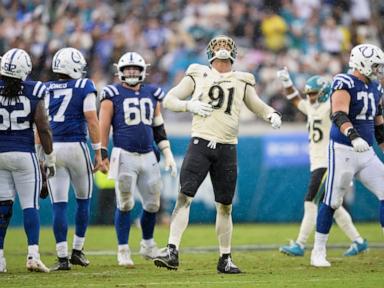
If you've watched the Jaguars over the past two seasons, the shift jumps off the screen. Jacksonville went 13-4 in 2025—their best win total since 1999—and followed it up by surging out of the gate in 2026 under head coach Liam Coen and general manager James Gladstone. At EverBank Stadium in 2026, the Jags rolled past the Cleveland Browns 34-10 in Week 1, dismantled the New England Patriots 35-6 in Week 3, and buried the Indianapolis Colts 42-7 in Week 8. Stacking seven straight regular-season home wins while outscoring opponents 271-75 across that stretch isn't luck. It's proof that the building finally belongs to the home team.
Why home games used to feel like a coin flip
To appreciate how weird this run feels for long-suffering Duval fans, look at the recent baseline. Jacksonville finished below .500 at home in 11 of the 15 seasons prior to the current surge. Worse yet, between September 2020 and October 2021, the franchise dropped 10 straight home games during a miserable 20-game overall losing skid.
When a team loses at home year after year, two things happen. First, the crowd stops believing a lead is safe or a fourth-down stop is coming. Second, visiting players treat the trip like a normal Sunday business trip instead of an unfriendly environment. Even when the Jaguars had flashes of talent, consistency at "The Bank" stayed elusive.
Back in the late 1990s, Jacksonville knew what a true fortress looked like. The franchise rattled off 13 consecutive home wins from September 29, 1996, through November 30, 1997. That standard set expectations sky-high early in franchise history, making the long drought afterward sting that much more.
How a smaller stadium is creating a louder edge
On paper, shrinking EverBank Stadium's capacity to 42,500 fans for the 2026 season—down from just over 60,000 in 2025—sounds like a downgrade for home-field advantage. Heavy cranes sit just outside the stands, lights sit lower along the upper deck, and fans have to navigate shifting parking and tailgate routines while the $1.4 billion Stadium of the Future project takes shape.
Yet smaller crowds packed closer to the action often create more concentrated energy than cavernous half-filled bowls. When 42,500 committed season-ticket holders and diehards fill the lower tiers, the noise doesn't leak out into empty upper corners. You hear the roar on third down, and visiting quarterbacks feel the heat immediately.
Linebacker Foyesade Oluokun summed up the mood plainly when talking about making Jacksonville a tough place to play again. Defensive end Travon Walker echoed that grounded mindset too: cranes and scaffolding don't change football, and playing in front of a fired-up home crowd gives the roster a real spark.
Let's be honest, though—not everyone thinks a construction-era stadium automatically equals a tough venue. Critics can point out that blowout wins over struggling opponents inflate point differentials, and 42,500 seats still trails plenty of iconic NFL venues in raw volume. Fair point. A home-field edge is never just about decibels; it's about roster execution, coaching clarity, and forcing mistakes when opponents get behind the chains.
What makes this turnaround different from past false dawns
Fans who have followed Jacksonville since 1995 have seen plenty of brief spikes followed by familiar letdowns. So why does this feel sturdier?
Start with roster construction and continuity on the sideline. Under Liam Coen, Grant Udinski's offense, and Anthony Campanile's defense, the Jaguars aren't relying on a single trick or a lucky turnover bounce. Having quarterback Trevor Lawrence operating alongside playmakers like Brian Thomas Jr., Jakobi Meyers, and two-way talent Travis Hunter gives Jacksonville explosive upside without needing perfection on every snap.
Special teams have quietly flipped field position, too. Kicker Cam Little's historic leg—highlighted by his 68-yard NFL-record field goal and 67-yard outdoor record during the 2025 campaign—changes how aggressively offenses have to drive against Jacksonville. Pushing an opponent back five yards on a sack or penalty suddenly puts long-range points in play.
There's also a practical schedule wrinkle that raises the stakes of every home game. With the Jaguars playing international games in London during 2026 and heading to Camping World Stadium in Orlando for the 2027 season while stadium construction ramps up toward its planned August 2028 opening, pure home dates in Jacksonville carry extra weight. You can't afford to give away Sundays on your own turf when road stretches stack up.
Smart ways for fans to ride the wave
If you're planning to catch a game in Jacksonville or track how this home streak holds up down the stretch, a few practical moves will save you headaches:
- Plan around construction logistics early: Arrive earlier than you used to for parking and tailgating, and check team updates before heading to the gates since walkways and entry patterns adjust as work progresses.
- Watch the split between home and road stretches: Heavy road swings test whether home dominance translates into true playoff positioning, especially in a tight AFC South race.
- Look ahead to 2027 and 2028 plans now: If you're thinking about season tickets, Orlando temporary games in 2027, or seat deposits for the 2028 stadium debut, review the official club timelines early rather than scrambling late.
Jacksonville doesn't need a finished mega-stadium to prove it can win at home anymore—the team is already doing the heavy lifting on the field.