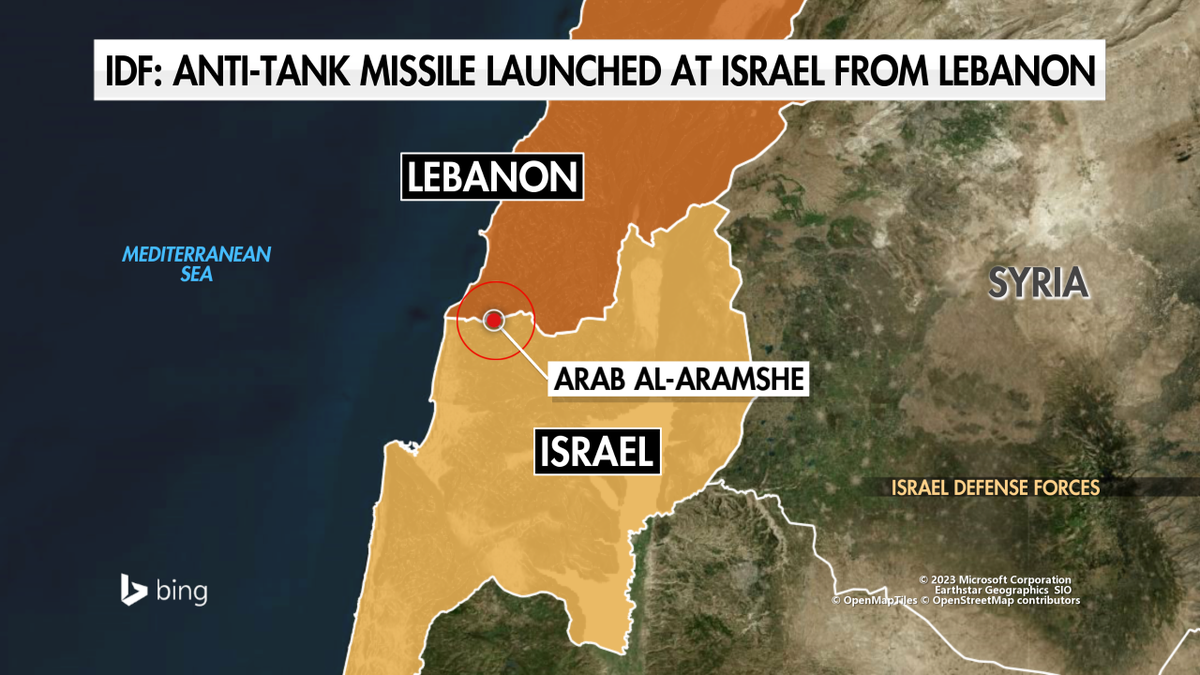
The siren at midnight wasn't just another false alarm. When Hezbollah launched a barrage of precision missiles and drones at the Mishmar al-Karmel site south of Haifa on March 2, 2026, it effectively tore up the 2024 ceasefire. It’s the first time the group has struck northern Israel in over 15 months, and honestly, the timing makes it much more dangerous than the skirmishes we saw back in 2023.
By 3 a.m., the sky over Beirut's southern suburbs was orange. Israel didn't just hit back; it launched a systematic wave of strikes across the Beqaa Valley, southern Lebanon, and the Dahiyeh district. This isn't just a border tiff. We're looking at a direct spillover from the massive U.S.-Israeli campaign against Iran that started on February 28. Hezbollah basically told the world they aren't going to sit out while their patrons in Tehran are under fire, specifically following the death of Iranian Supreme Leader Ali Khamenei.
The Retaliation Logic
The IDF’s "Operation Roaring Lion" is clearly a pre-planned response to this exact scenario. Lieutenant General Eyal Zamir isn't playing around—he’s already deployed 100,000 reservists to the northern border. The Israeli military strategy here is simple: if Hezbollah joins Iran’s war, Lebanon pays the price.
Israeli jets hit three distinct locations in Beirut within minutes. They aren't just hitting rocket launchers; they're going after the brain of the operation. Reports indicate that senior Hezbollah officers, including Mohammad Raad, were targeted. For those of us watching the data, the shift is obvious. In February, the IDF actually decreased its strikes in Lebanon by 50%. They were holding back, likely waiting to see if Hezbollah would take the bait after the strikes in Tehran. Now the gloves are off.
Why Beirut is Emptying
If you're in Tyre or the villages near the Litani River, the instructions from the IDF were blunt: get out now. Evacuation orders hit 55 different towns and villages. Traffic is currently a nightmare as thousands of families try to reach the north or find space in schools that are quickly turning into shelters.
It’s a grim scene. You’ve got burnt-out cars in Dahiyeh and windows shattered miles away from the blast zones. The Lebanese government is visibly frustrated. Prime Minister Nawaf Salam called the rocket fire "irresponsible" and "suspicious." He’s basically saying Hezbollah is handing Israel a blank check to destroy what’s left of the country’s infrastructure. Lebanon is broke, the electricity is spotty, and now the capital is a target again.
The Iran Connection
You can't talk about these strikes without talking about Tehran. Hezbollah’s secretary-general Naim Qassem was very clear that these missiles were "revenge for the blood" of Khamenei. This moves the conflict from a local border dispute to a regional theater.
- Hezbollah's stance: They view the killing of the Supreme Leader as a red line that necessitates a full military entrance.
- Israel's stance: They view Hezbollah as an Iranian extension that must be neutralized to prevent a multi-front disaster.
- The U.S. role: While the U.S. is busy with the direct campaign against Iran, they’re providing the intelligence and air cover that allows Israel to focus on the "northern threat."
Hezbollah claimed they hit a missile defense site, but the IDF says they intercepted the major threats and the rest hit open fields. No Israeli casualties were reported in this opening salvo, but that’s almost irrelevant. The fact that the missiles were fired at all is the message.
What This Means for the Region
The 2024 ceasefire is dead. It survived for over a year with minor violations, but this is a full-scale collapse. When you see 100,000 troops moving toward a border, you aren't looking at a "measured response." You're looking at the start of a campaign that could last weeks.
Oil prices are already jumping because the war with Iran is threatening the Strait of Hormuz. Now, with Lebanon back in the mix, the Mediterranean is no longer a safe zone either. Flights across West Asia are being canceled by the dozen—24 flights were cut in Bengaluru alone because the airspace is becoming a mess.
Breaking Down the Numbers
The sheer volume of the IDF response is staggering compared to the last few months.
- Over a dozen explosions in Beirut within the first hour.
- At least 10 people reported dead in the initial Dahiyeh strikes.
- Evacuation orders covering over 50 villages.
- Hezbollah’s first rocket fire since November 2024.
The Strategy Moving Forward
If you're tracking this, watch the Bekaa Valley. That’s where Hezbollah hides its long-range assets. If the IDF continues to hammer that area, it means they're looking to permanently degrade Hezbollah’s ability to reach Tel Aviv.
Don't expect a quick de-escalation. The rhetoric from both sides has moved past the point of "negotiated settlement." Israel is frames this as a fight for survival against a "ring of fire" from Iran, while Hezbollah sees this as their "duty of honor."
If you have family in the region or interests in Middle Eastern markets, keep a close eye on the northern border of Israel over the next 48 hours. The intensity of these airstrikes is only expected to increase as the IDF pushes to create a "buffer zone" that the 2024 ceasefire failed to maintain. Monitor official IDF and Lebanese National News Agency (NNA) feeds for the latest evacuation coordinates. Stay away from the southern suburbs of Beirut and the border areas south of the Litani River until the current wave of sorties subsides.