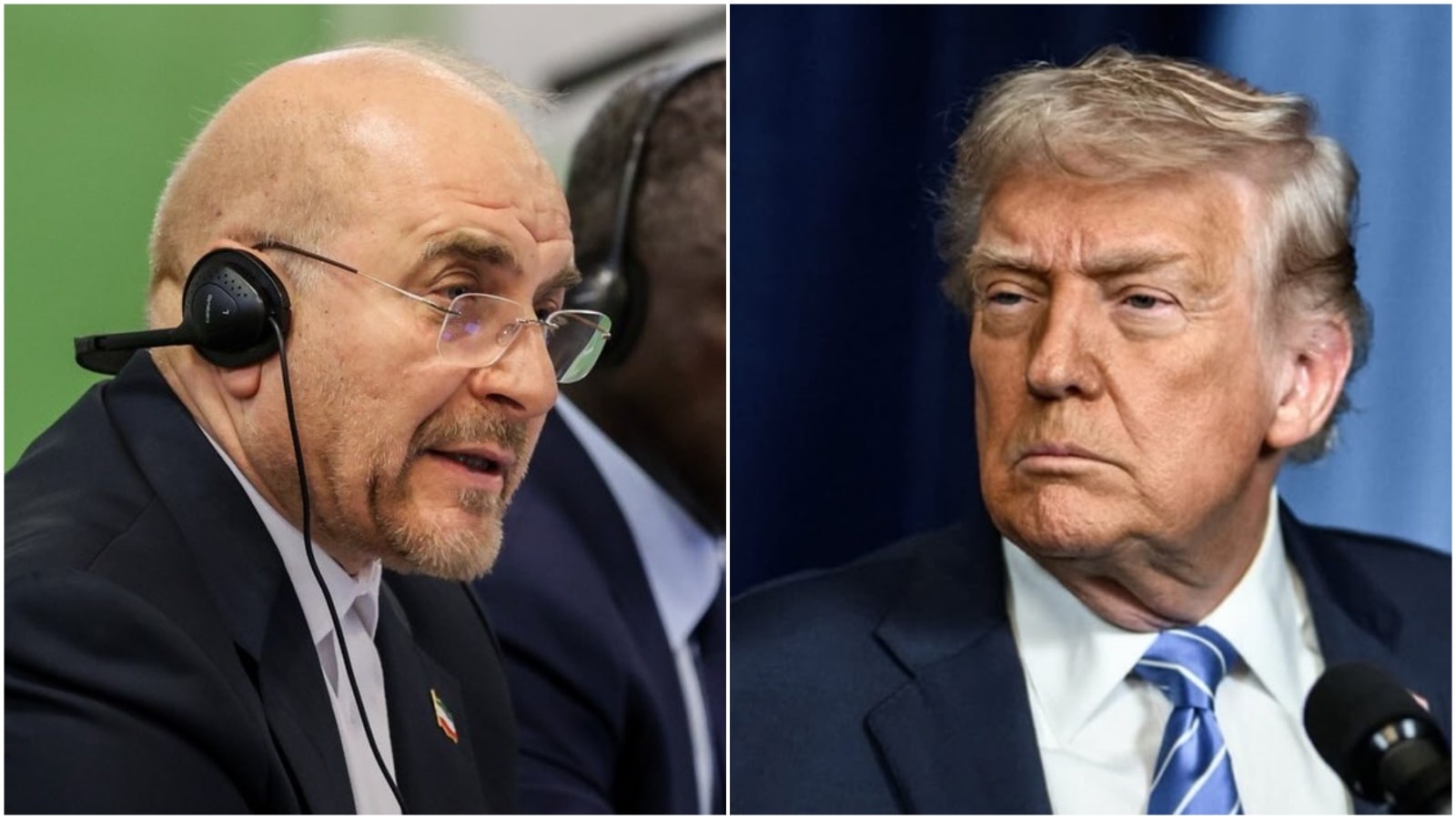
The world is staring at Islamabad right now, but don't hold your breath for a miracle. As Vice President JD Vance’s plane touched down at Nur Khan air base on Saturday, the air wasn't filled with the scent of peace. It smelled like jet fuel and gunpowder. We're told these talks are a "make-or-break" moment to end the 2026 Iran war, but the reality on the ground is a mess of contradictions and ego.
On one side, you've got President Trump posting on social media about reloading U.S. warships with "the best ammunition ever made" just in case the Iranians don't behave. On the other, the Iranian delegation, led by Mohammad-Baqer Qalibaf, arrived with a list of demands that basically asks the U.S. to admit defeat. It’s a classic standoff where neither side thinks they're losing. Recently making waves recently: Strategic Signaling and Diplomatic Informalism the Mar a Lago Engagement Between Ambassador Garcetti and Foreign Secretary Misri.
The Strait of Hormuz is the only card that matters
Let’s be honest about why we're even at a table in Pakistan. It isn't because everyone suddenly found their conscience. It’s because the Strait of Hormuz is effectively closed, and the global economy is bleeding. Inflation is spiking, and Trump knows it. He’s claiming the Iranians have "no cards," but if they didn't have leverage, JD Vance wouldn't be in Islamabad.
Iran is using the strait as a chokehold. They want transit fees, they want their frozen assets back, and they want a ceasefire in Lebanon before they even talk about their own borders. They're playing a high-stakes game of "short-term extortion," as Trump calls it, and so far, it’s working well enough to bring the Americans to a neutral site. Additional information on this are covered by Al Jazeera.
What's actually on the table
The Pakistani mediators have floated a 15-point proposal, but the gap between the two sides is a canyon.
- The U.S. Demand: Immediate and permanent reopening of the Strait, an end to the nuclear program, and strict limits on missiles.
- The Iranian Demand: Lifting of all sanctions, war reparations (yes, they’re asking for money), and U.S. withdrawal from regional bases.
It’s hard to see a middle ground when one side wants total surrender and the other wants a total reset.
Pakistan is playing a dangerous double game
You have to wonder why Pakistan is the middleman here. Prime Minister Shehbaz Sharif is pitching this as a service to global stability, but it's about survival. Pakistan shares a 900-kilometer border with Iran. If Iran collapses or fragments, Pakistan deals with the fallout—refugees, militancy in Balochistan, and a massive energy crisis.
But there’s a domestic cost. Protests have been ripping through Karachi and Islamabad since the war started in February. Many Pakistanis see the U.S. as the aggressor, especially after the strikes that killed Iran’s former Supreme Leader. Sharif is trying to balance his relationship with Trump—whom he once nominated for a Nobel Prize—with a population that’s increasingly hostile to Western intervention.
Why the ceasefire is paper-thin
This two-week truce is a gift from Trump, but it’s a gift with a ticking timer. He’s already threatened to destroy "Iranian civilization" if the deadline isn't met. That kind of rhetoric doesn't usually lead to nuanced diplomatic breakthroughs. It leads to people digging in their heels.
The Iranian leadership doesn't trust the U.S. one bit. Qalibaf said as much the moment he landed. They remember the strikes on their power plants and bridges. They remember the children killed in Minab. For Tehran, these talks aren't just about policy; they're about pride. If the U.S. doesn't offer "genuine" concessions, the Iranians might decide that keeping the Strait closed is worth the risk of more strikes.
What happens if Islamabad fails
If JD Vance leaves Pakistan without a signature, we aren't just going back to the status quo. We're going to see an escalation that makes the last six weeks look like a warm-up. Trump has already told the New York Post that he’s ready to "finish it off."
The U.S. military is reportedly restocking ammunition at a feverish pace. If the talks collapse, the ceasefire ends, and the strikes resume, the Strait of Hormuz might stay closed for months. That means $150 oil, empty shelves, and a regional war that could easily pull in more players.
Watch these three triggers
- The Lebanon Factor: If Israel and Hezbollah don't stop fighting, Iran won't budge on the Strait.
- The Asset Freeze: If the U.S. doesn't release at least some Iranian funds as a "goodwill gesture," the talks will stall by Monday.
- The Trump Social Feed: Watch for the rhetoric to shift. If the "no cards" talk turns into "it's over," start worrying.
The Islamabad talks are a desperate attempt to avoid a global depression and a total regional meltdown. But when both sides are entering the room with threats instead of olive branches, the "make-or-break" label feels a lot more like "break."
If you're watching the markets, keep an eye on shipping insurance rates in the Gulf. If those don't start dropping by Tuesday, it means the big players don't believe the hype coming out of the Pakistani Foreign Office. Prepare for a long, expensive summer.