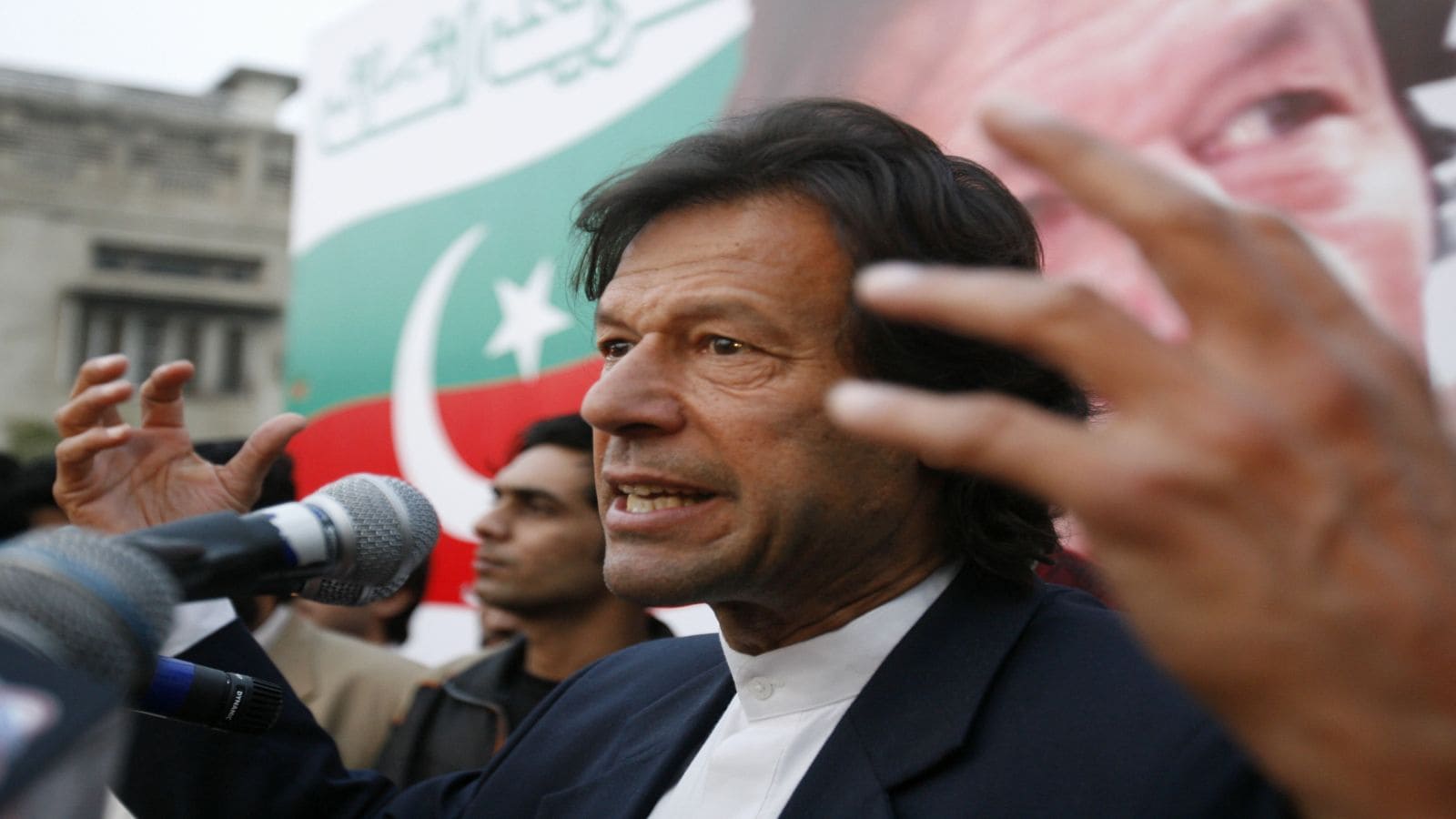
Whenever the political temperature rises in Pakistan, the federal capital transforms overnight into an impenetrable fortress. Shipping containers block major highways, razor wire lines the entry points, and thousands of security personnel flood the streets. This playbook returned in full force ahead of Pakistan Tehreek-e-Insaf's (PTI) planned demonstrations.
Let's look past the surface headlines to understand why these rolling bans happen, how the state apparatus responds, and what this constant gridlock means for ordinary citizens caught in the crossfire.
The Anatomy of a Capital Lockdown
When the district administration issues sweeping restrictions under Section 144—banning gatherings of five or more people—it's never a spur-of-the-moment choice. It is a calculated preemptive strike designed to choke momentum before a protest can coalesce.
The sequence is painfully predictable:
- Opposition parties announce a long march or public rally to demand policy shifts or the release of imprisoned figures like former Prime Minister Imran Khan.
- Local magistrates immediately slap a multi-week or two-month prohibition order on public assemblies, citing grave risks to public safety and property.
- Law enforcement agencies drag hundreds of massive shipping containers into place, sealing off the Red Zone and arterial routes connecting Rawalpindi to Islamabad.
- Paramilitary forces and tens of thousands of anti-riot police take up positions, effectively placing the twin cities under a state of administrative siege.
The government leans heavily on legal instruments like the Peaceful Assembly and Public Order Act, threatening heavy prison sentences for anyone who defies the edicts. Yet, rather than deterring protesters, these extreme fortifications usually achieve the exact opposite: they galvanize party loyalists and turn a political disagreement into a test of collective endurance.
The Economic and Social Toll on Ordinary Citizens
While politicians trade barbs and security chiefs map out containment zones, the real victims are the people who just want to live their lives. Small business owners lose millions daily when commercial hubs are forced to shut down. Commuters face hours of delays, blocked roads, and suspended public transit networks.
Ask any resident living near the entry points of Islamabad, and they will tell you the same thing. Constant blockades disrupt school schedules, halt medical supply chains, and choke daily wage earners out of their livelihoods. The city becomes tense, claustrophobic, and entirely paralyzed. It creates a bitter public resentment that extends far beyond party lines. People grow exhausted not just by high inflation and economic strain, but by the government's reflex to shut down an entire metropolis every time political dissent flares up.
What Happens When Force Meets Persistence
The core strategy behind blanket bans is deterrence through friction. If traveling to the capital is made nearly impossible, the argument goes, people simply won't show up. But Pakistani politics—particularly under the PTI banner—has evolved past conventional deterrence.
When main roads are sealed with steel and containers, protesters adapt by taking alternative routes, breaking through barriers in smaller groups, or clashing directly with police lines at provincial boundaries. This dynamic creates a perpetual cycle of confrontation. Every lockdown deepens political polarization, diminishes trust in civic institutions, and pushes democratic dialogue further out of reach.
Restricting public gatherings might buy authorities a few days of quiet, but it does nothing to resolve the underlying political friction. Until leadership on all sides opens a genuine channel for negotiation, Islamabad will remain a city perpetually braced for impact.


