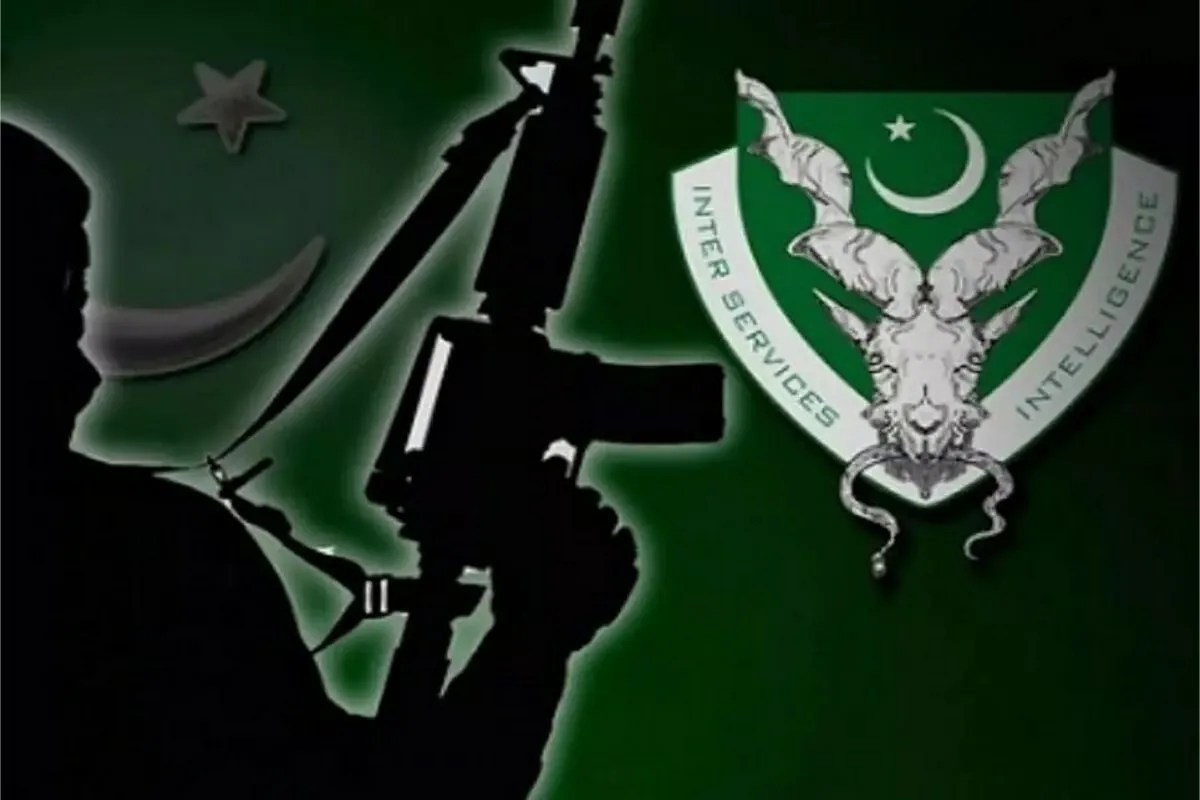
Geopolitical shifts in South Asia rarely happen overnight. They simmer in the shadows until a critical juncture forces everything into plain sight. Right now, intelligence reports pointing toward the Pakistani Inter-Services Intelligence agency fostering coordination among radical factions inside Bangladesh should alarm anyone tracking regional security. This isn't just standard cross-border friction. It's a calculated strategy designed to stretch Indian security apparatuses thin by activating dormant networks along a sensitive eastern frontier.
Let's look past the diplomatic noise and examine what's actually happening on the ground.
The Changing Security Dynamic on the Eastern Border
For decades, India's primary security focus on the eastern flank revolved around porous borders, illegal migration, and local insurgencies. Intelligence agencies largely managed these threats through localized counter-insurgency grids and border fencing projects. But the calculus shifted dramatically following recent political upheaval in Dhaka.
When governance structures fracture, extremist elements crawl out of the woodwork. The ISI knows this playbook intimately. They've spent decades perfecting proxy warfare in the west, and they are now applying those exact operational templates to the east.
By pushing fractured militant factions in Bangladesh toward a unified front, the objective is straightforward: create a multi-front security dilemma for New Delhi. If security forces have to divert heavy resources toward eastern transit routes and urban cells, the overall defense posture weakens.
How External Handlers Connect Local Radicals
You might wonder how disparate groups with varying local grievances suddenly coordinate. It rarely happens through direct, public alliances. Instead, external handlers use third-party intermediaries, secure digital channels, and regional criminal syndicates to funnel funds and logistics.
- Financial routing: Money moves through complex hawala networks disguised as standard cross-border trade.
- Safe havens: Sympathetic local elements provide temporary shelter and logistics support in remote border districts.
- Radicalization pipelines: Digital propaganda targets vulnerable youth, bypassing traditional religious institutions to radicalize them at lightning speed.
When intelligence agencies intercept communications between handlers in Islamabad and radical operatives in Dhaka, a clear pattern emerges. They aren't just sharing operational tips. They are synchronizing recruitment targets and testing the responsiveness of Indian border security forces.
The Real Threat to Indian Urban Centers
Border skirmishes grab headlines, but the real danger lies deep inside Indian territory. Sleeper cells don't need to cross the border with heavy weaponry. They infiltrate quietly, blend into local labor markets, and lay low until activated.
Recent arrests in various Indian states exposed how easily radicalized operatives move across domestic transit networks. They use fake identification documents, rely on local criminal contacts for shelter, and communicate using encrypted messaging apps that resist standard monitoring.
Ignoring these warning signs is a luxury security planners simply don't have. If intelligence sharing and counter-terrorism coordination between central and state agencies lag behind these evolving threats, the consequences will manifest violently in major urban hubs.
What Needs to Happen Next
Countering this emerging axis requires more than just building better fences or issuing routine diplomatic protests. Intelligence sharing between regional allies must become seamless and real-time. Border guarding forces need advanced surveillance technology, from thermal imaging to underground sensors, to stop infiltration attempts before they start.
At the same time, local law enforcement agencies must crack down on illegal documentation rings and suspicious financial transactions. You cannot defeat a modern, networked terrorist apparatus with outdated, siloed policing methods. Recognizing the severity of the ISI-Bangladesh militant nexus is the first step. Dismantling it requires absolute vigilance and zero political hesitation.