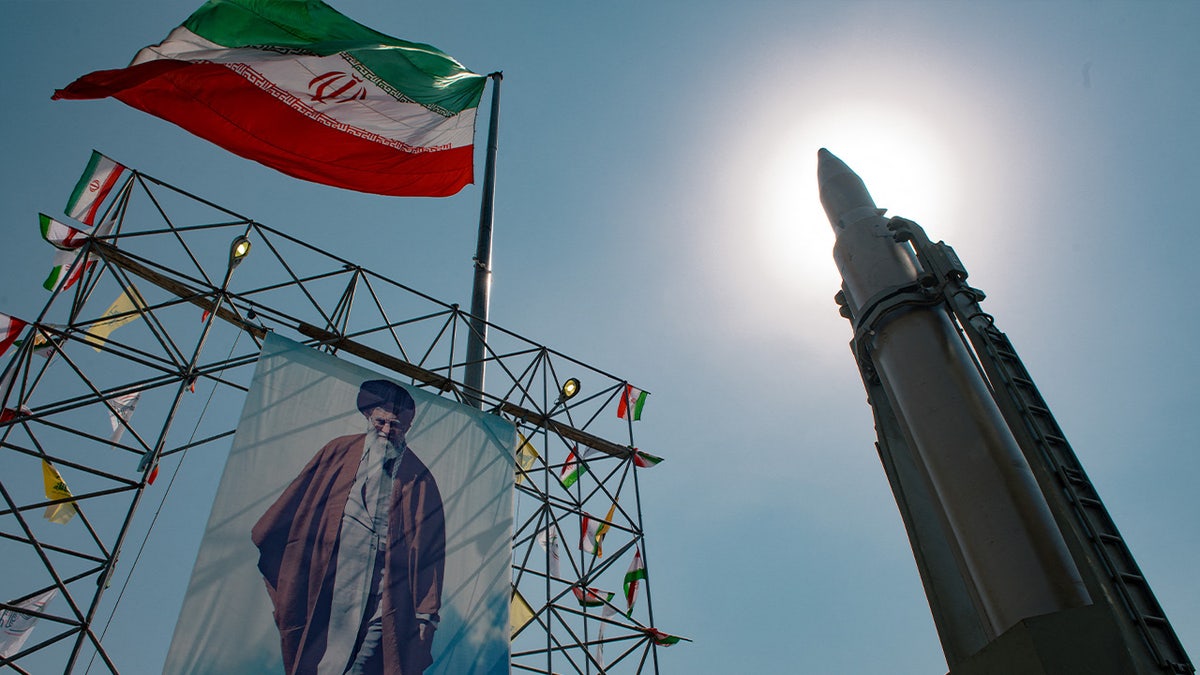
The streets of Tehran are packed, but this isn't a celebration. It's a show of defiance. As the war that began in February 2026 enters a brutal new phase, Iran’s leadership has pivoted from conventional military threats to a digital and economic ultimatum that hits much closer to home for the average American. We aren't just talking about missiles in the Strait of Hormuz anymore. We’re talking about your phone, your data, and the companies that run your life.
On Tuesday, the Islamic Revolutionary Guard Corps (IRGC) dropped a list of 18 US-linked companies they're now calling legitimate targets. It’s not a list of defense contractors or oil refineries. It’s a "who’s who" of Silicon Valley: Apple, Google, Meta, Microsoft, Tesla, and Amazon. The IRGC claims these firms provided the infrastructure and intelligence tracking that allowed the US and Israel to carry out the February 28 strikes—the ones that killed Supreme Leader Ali Khamenei and dozens of other high-ranking officials.
The Shift From Military Bases to Silicon Valley
For decades, the standard Iranian playbook was to threaten US Navy ships or "Death to America" slogans. That’s old news. Today’s reality is more calculated. By labeling tech giants as military collaborators, Iran is trying to rewrite the rules of engagement. They're telling the world that if a company’s software or hardware assists in a kinetic strike, that company is a combatant.
This isn't just hot air. The IRGC has set a deadline. They've explicitly warned of "retaliation for every assassination" starting this week. While the US Central Command (CENTCOM) reports hitting over 12,300 targets inside Iran since the conflict began, Iran’s response is becoming asymmetrical. They know they can’t win a ship-for-ship fight against the US Navy. But they can cause chaos in the global supply chain and the digital economy.
Why the Tech List Matters to You
You might think a threat against Boeing or Intel makes sense—they’re deeply tied to the military. But including Tesla or Meta? That’s a move designed to spook the markets and the Western public. If Iran begins targeting data centers or corporate offices in the Gulf—or worse, through cyberattacks on home soil—the war stops being something that happens "over there."
- Supply Chain Paralysis: With the Strait of Hormuz effectively closed to "hostile" vessels, oil prices are already through the roof. If tech manufacturing or logistics hubs in the region get hit, your next upgrade isn't just delayed; it’s canceled.
- The Yuan Factor: Iran is now demanding payment in Chinese yuan for any oil that does make it through the Strait. This is a direct shot at the "Petrodollar" and a massive shift in how global power is balanced.
- Infrastructure at Risk: We’ve already seen smoke rising from near Kuwait’s international airport. Drone strikes are targeting areas near the World Health Organization and regional transit hubs. No one is safe from the collateral damage.
The Regime’s Survival Instinct
Inside Iran, the atmosphere is a mix of state-mandated mourning and simmering unrest. Remember, just months ago, this same regime was killing thousands of its own citizens to suppress the largest protests since 1979. The current display of "national unity" in Tehran is partially theater. The leaders who are left—including Mojtaba Khamenei, the former leader’s son—know that a foreign war is their best chance to stay in power. It’s the classic "rally 'round the flag" strategy.
But don't mistake that for weakness. A regime with its back against the wall is the most dangerous kind. They’ve already proven they can hit US bases in Bahrain, Qatar, and the UAE with drones and missiles. Now, they’re looking for a way to hurt the US economy without needing a better Air Force.
What Happens Next
The US has thousands of troops deployed and Donald Trump has issued a deadline of April 6 for the Strait of Hormuz to be fully reopened. We’re on a collision course. If the IRGC follows through on its threat to target tech firms, we’re looking at a conflict that transcends borders and enters the very devices we use every day.
Keep an eye on these immediate indicators:
- Cybersecurity Alerts: Watch for increased warnings from CISA and the FBI regarding Iranian-state actors targeting corporate networks.
- Energy Prices: If the April 6 deadline passes without the Strait opening, expect another massive spike at the pump and in heating costs.
- Market Volatility: Tech stocks are already twitchy. Any confirmed strike on a "civilian" tech asset in the Gulf will send the Nasdaq into a tailspin.
The war in Iran isn't just about regional dominance anymore. It’s a test of whether the modern, interconnected world can survive a conflict where every piece of technology is considered a weapon. Move your data to redundant backups and stay informed on regional travel advisories. The "front line" just moved into your pocket.